
Beautiful Plants For Your Interior
Beautiful Plants For Your Interior
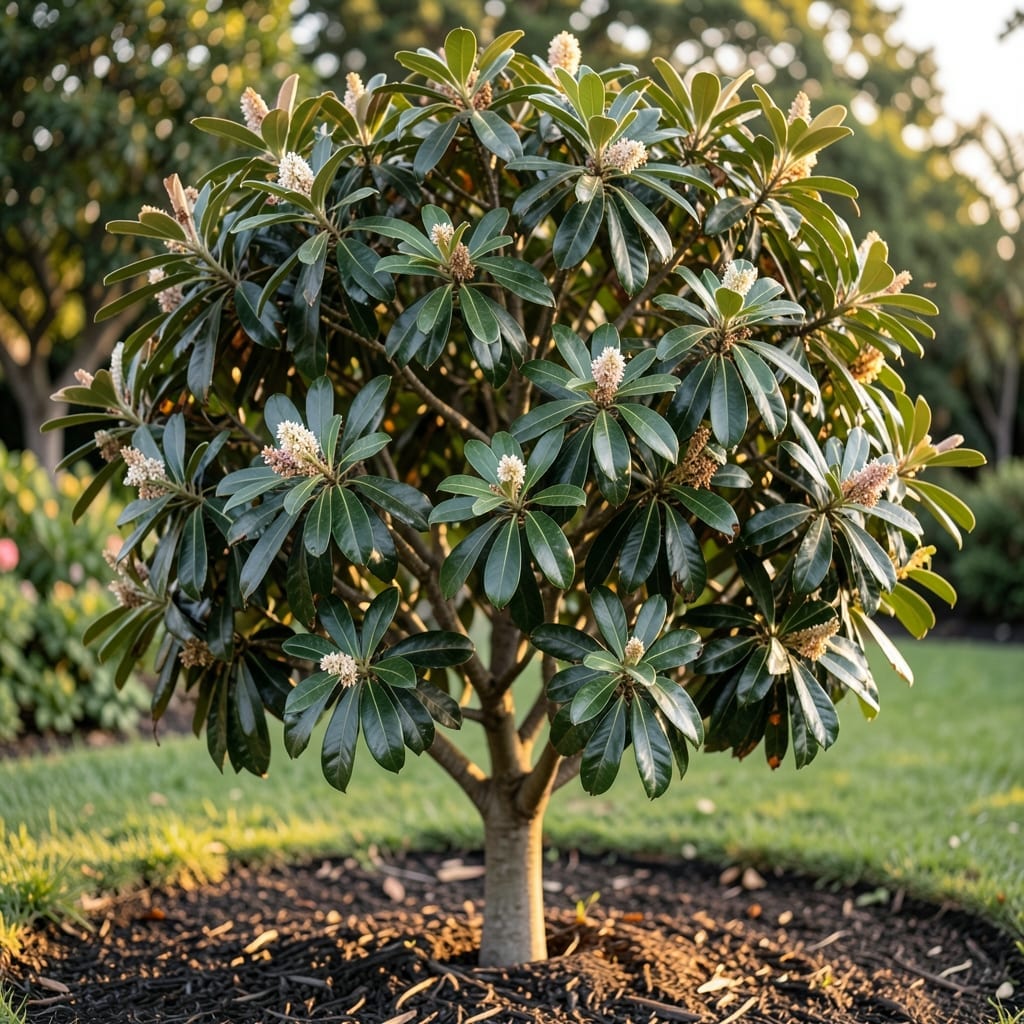
Those brown tips on your macadamia leaves aren’t just unsightly—they’re a red flag. I’ve seen this happen when soil moisture swings from drought to flood, or when salts build up from tap water.
The fix starts with consistent watering—deep soaks once a week beat daily sprinkles. Check the soil 2 inches down: if it’s bone dry or soggy, your tree’s stressing.
Salt burn shows up as crispy edges, especially on older leaves. Flush the soil with distilled water every few months, or switch to rainwater if possible.
Prevention is simpler than cure. Mulch helps maintain moist conditions, and a soil test can reveal hidden issues before they show up on your leaves.
Brown leaf tips on macadamia trees often signal stress from environmental or cultural factors. Here are the most common causes, explained with actionable insights:
Excess salts in soil—often from synthetic fertilizers or poor-quality water—draw moisture out of roots, causing osmotic stress. Macadamias are salt-sensitive; even moderate buildup leads to scorched tips. Fix: Leach soil with distilled water or switch to low-salt organic fertilizers.
Macadamias need evenly moist but well-drained soil. Drought stress or waterlogged roots disrupt nutrient uptake, triggering tip burn. Overwatering suffocates roots, while underwatering forces the tree to pull moisture from leaves. Fix: Use a moisture meter to maintain 40–60% soil saturation.
Dry air (below 40% humidity) or temperatures above 90°F (32°C) accelerate transpiration, leaving leaf tips dehydrated. Macadamias thrive in humid, subtropical climates. Fix: Mulch heavily and mist foliage during heatwaves to reduce stress.
Deficiencies in magnesium or potassium often manifest as marginal browning. These nutrients regulate water movement within cells. Fix: Test soil and amend with Epsom salt (for Mg) or greensand (for K) as needed.
Addressing these root causes early prevents permanent damage and keeps your macadamia tree thriving. 🌿
Here’s how to tackle each common cause of brown leaf tips on your macadamia tree, with simple, actionable fixes:
Let the top 2–3 inches of soil dry out between waterings. If the tree sits in soggy soil, improve drainage by amending the soil with compost or perlite. For potted trees, ensure pots have drainage holes. Water deeply but less frequently—macadamias prefer a “soak and dry” approach.
Prevention tip: 💡 Use a moisture meter to avoid guesswork, and always plant in well-draining, slightly acidic soil (pH 5.0–6.5).
Flush the soil with distilled or rainwater to leach out excess salts. Switch to a low-salt, slow-release fertilizer formulated for acid-loving plants. If tap water is high in salts, use collected rainwater or filtered water for irrigation.
Prevention tip: 🎯 Fertilize lightly and only during the growing season (spring to early summer). Avoid over-application.
Increase humidity around the tree by mist the leaves in the early morning or place a tray of water with pebbles nearby. For indoor plants, use a humidifier. Grouping plants together can also help raise local humidity.
Prevention tip: ✨ Mulch the base with organic matter (like wood chips) to retain soil moisture and reduce evaporation.
Test your soil to confirm deficiencies. Apply a balanced, micronutrient-rich fertilizer (look for one with magnesium and zinc). For quick correction, use a foliar spray with chelated nutrients, following label instructions.
Prevention tip: 🔥 Feed macadamia trees with a fertilizer specifically designed for Australian natives or nut-bearing trees every 6–8 weeks during active growth.
Yes, waterlogged soil suffocates roots and prevents nutrient uptake. Let the top 2-3 inches of soil dry between waterings to avoid this.
Salt burn appears as crispy, brown edges on older leaves first. Flush soil with distilled water every few months to prevent buildup.
Yes, but only after fixing the root cause. Trim with clean shears just above a leaf node to encourage healthy new growth.