
Beautiful Plants For Your Interior
Beautiful Plants For Your Interior
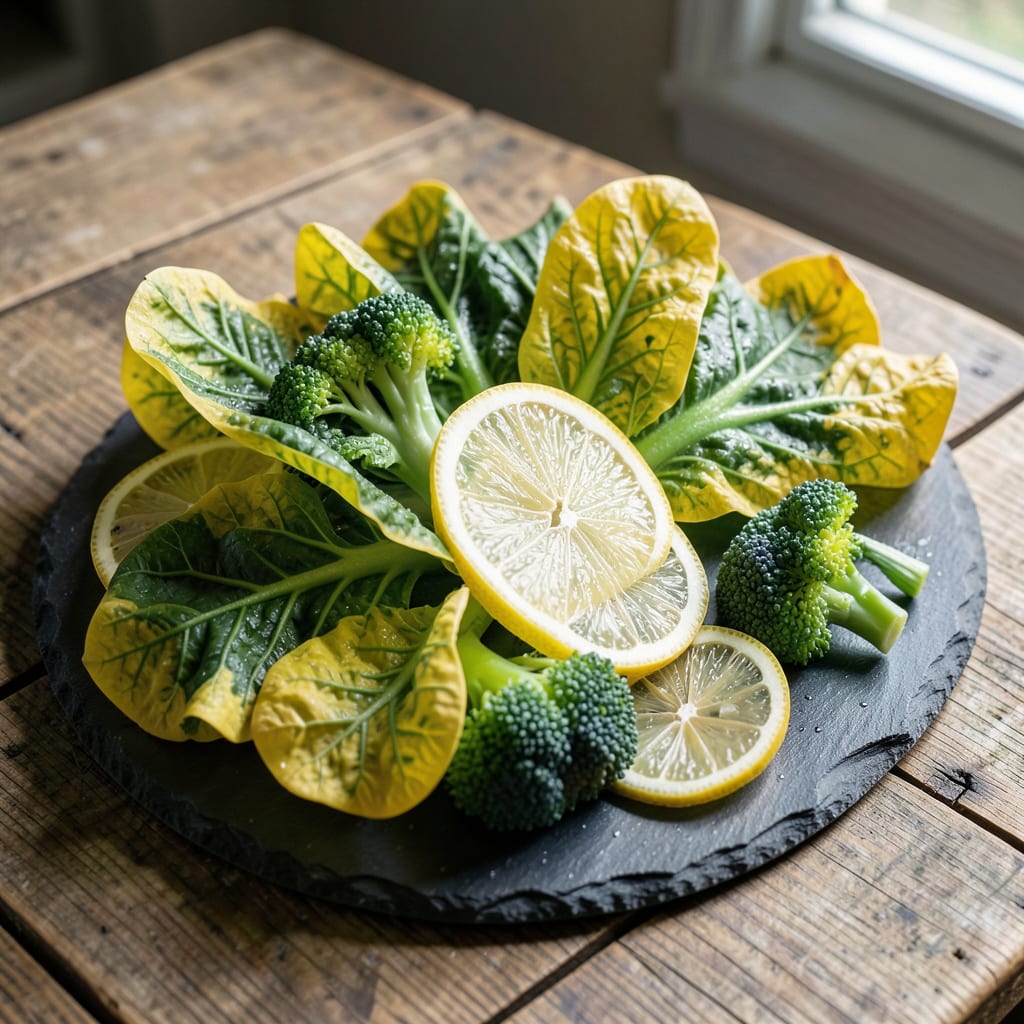
Yellow broccoli leaves always mean the plant is trying to tell you something. I’ve seen this in my own garden—first a few pale spots, then entire leaves shifting from deep green to sickly yellow within days.
Usually it’s a nutrient issue, often nitrogen or magnesium, but overwatering or compacted soil can choke roots just as fast. The fix starts with checking the soil—dry an inch down? Time to water. Soggy? Back off and let it breathe.
Once you adjust care, new growth should return to that rich green within 2-3 weeks. The key is acting before the yellow spreads to the head, which stunts the whole harvest.
Prevention is simpler than cure: consistent moisture, loose soil, and a balanced fertilizer every 3-4 weeks keeps leaves vibrant all season.
Broccoli leaves turning yellow can signal several underlying issues, often tied to nutrient imbalances, environmental stress, or pests. Below are the most common causes, explained with actionable scientific insights.
Yellowing leaves often point to a lack of essential nutrients. Nitrogen deficiency typically causes uniform yellowing (chlorosis) of older leaves first, as the plant redistributes nitrogen to newer growth. Magnesium deficiency appears as interveinal chlorosis—yellowing between leaf veins—while veins stay green. Test soil with a kit (pH 6.0–7.0 is ideal for broccoli) and amend with compost or a balanced fertilizer (e.g., 10-10-10) to restore balance.
Excess water suffocates roots, reducing oxygen uptake and hindering nutrient absorption. This leads to yellowing, wilting, or stunted growth. Broccoli thrives in moist but well-drained soil. Check soil moisture 2 inches deep—if soggy, reduce watering and improve drainage with organic matter like perlite or coconut coir.
Aphids, cabbage worms, and whiteflies sap plant juices, causing yellow spots or curled leaves. Aphids excrete honeydew, promoting sooty mold (black fungus) that further stresses the plant. Inspect leaf undersides and stems; treat with neem oil or insecticidal soap, and introduce beneficial insects like ladybugs.
Extreme heat (above 85°F) or cold snaps can disrupt chlorophyll production, leading to yellowing. Broccoli prefers 60–70°F. Use shade cloth for heatwaves or row covers for frost. Additionally, sudden temperature swings or transplant shock (if recently moved) may cause temporary yellowing—acclimate seedlings gradually.
Yellowing broccoli leaves can often be reversed with the right care. Below are targeted solutions for the most common causes, along with prevention tips to keep your plants thriving.
If the issue stems from nitrogen or magnesium deficiency, amend the soil with:
Prevention tip: 💡 Test soil pH (ideal: 6.0–7.0) annually and adjust with lime (to raise pH) or sulfur (to lower pH).
Soggy soil suffocates roots, leading to yellow leaves. Fix it by:
Prevention tip: ✨ Water in the morning to allow excess moisture to evaporate during the day.
Aphids and cabbage worms sap nutrients, causing yellowing. Combat them with:
Prevention tip: 🎯 Inspect leaves weekly for early signs of pests and remove eggs/larvae by hand.
Extreme heat or cold can stress broccoli, turning leaves yellow. Protect plants by:
Prevention tip: 🌡️ Plant broccoli in early spring or fall to avoid temperature extremes.
Severely yellow leaves won’t recover, but new growth will if you fix the issue. Adjust care and wait 2-3 weeks for fresh green leaves to appear.
Check soil 2 inches deep—if soggy and smelly, you’re overwatering. Let it dry slightly between waterings and improve drainage.
Yes, they’re safe if the plant is healthy, but they’ll taste bitter. Focus on fixing the plant to ensure sweet, vibrant harvests.
Test soil pH and amend with compost or Epsom salt for magnesium. Combined with proper watering, you’ll see improvement in 7-10 days.
