
Beautiful Plants For Your Interior
Beautiful Plants For Your Interior
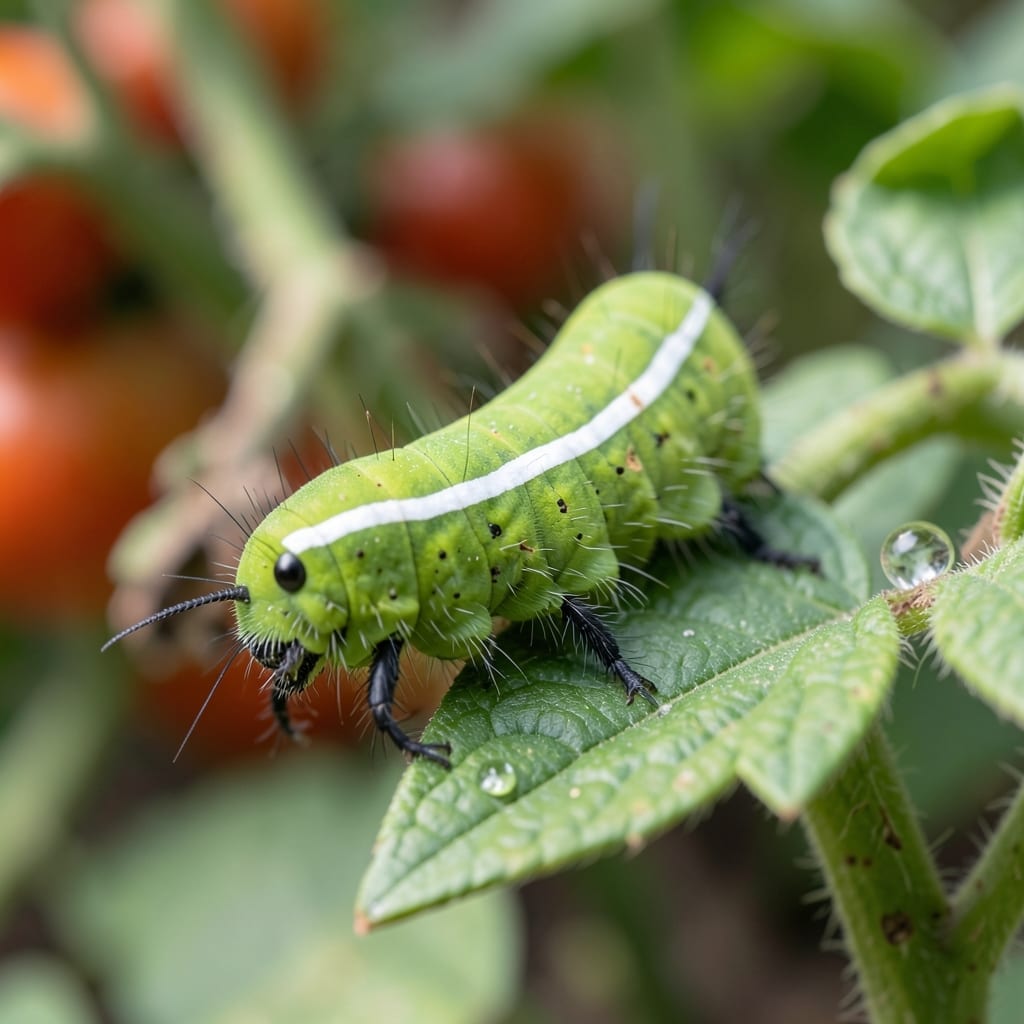
That bright green caterpillar with a white stripe down its back showed up on my kale overnight. I knew it wasn’t just a visitor—it was a hungry guest with plans to stay.
Turns out this little guy is often a cabbage looper or inchworm, and it’s not picky. It’ll munch through cabbage, broccoli, and even petunias at an alarming speed. Left unchecked, a few can strip a plant bare in 48 hours.
You’ve got options to manage them without chemicals. Hand-picking works if you’re diligent, or you can introduce natural predators like parasitic wasps. For bigger infestations, organic sprays like Bt will do the trick.
Early action saves your garden. The key is spotting them before they multiply and turn your plants into an all-you-can-eat buffet.
The bright green caterpillar with a white stripe is a classic example of aposematic coloration and evolutionary adaptation. This distinct appearance serves specific purposes in the insect’s survival and lifecycle. Below are the key reasons why this pattern occurs:
Many caterpillars, including species like the White-Marked Tussock Moth or Saddleback Caterpillar Moth, use their bright green and white stripes to blend into their environment. The green mimics leaves, while the white stripe can resemble veins or light reflections, helping them avoid predators like birds and spiders. This cryptic coloration is especially effective in leafy, green habitats.
In some cases, the bright colors act as a warning signal to predators. This phenomenon, called aposematism, indicates that the caterpillar may be toxic, distasteful, or armed with defensive mechanisms like venomous spines or irritating hairs. For example, the Saddleback Caterpillar has urticating hairs that deliver a painful sting, and its vivid colors serve as a “keep away” sign.
The development of these color patterns is also influenced by genetics and diet. Caterpillars may inherit specific color traits from their parent moths. Additionally, the pigments in their food sources (such as certain plants) can enhance or alter their coloration. For instance, a diet rich in carotenoids can intensify green and yellow hues.
The white stripe may also play a role in temperature regulation. Lighter colors reflect sunlight, preventing the caterpillar from overheating in direct sunlight. This is particularly important for species that feed on sun-exposed leaves, ensuring they maintain optimal body temperatures for growth and metabolism.
Dealing with a bright green caterpillar with a white stripe in your garden? Here’s how to tackle the issue safely and efficiently. Start by identifying the caterpillars early—check the undersides of leaves where they often hide. Handpicking is the simplest and most eco-friendly method:
Wear gloves and drop the caterpillars into a bucket of soapy water. This ensures they won’t return. For larger infestations, neem oil or insecticidal soap can be sprayed directly on the pests. Reapply every 5-7 days or after rain for best results.
Encourage birds, ladybugs, and parasitic wasps—natural predators of caterpillars—by planting native flowers or setting up bird feeders. Avoid broad-spectrum pesticides, as these can harm beneficial insects too.
For severe cases, consider Bacillus thuringiensis (Bt), a bacterial spray that targets caterpillars without harming other wildlife. Always follow label instructions for safe application.
Yes, it often causes significant damage. These caterpillars can devour leaves rapidly, sometimes stripping a plant in 48 hours. Check undersides of leaves daily for early detection.
Look for additional markings. A single white stripe suggests a cabbage looper, while a saddle-shaped mark indicates a saddleback caterpillar. Both are common garden pests.
Most transform into harmless moths. However, some, like the tussock moth, have irritating hairs as caterpillars. Always handle with gloves to avoid skin irritation.
Introduce beneficial predators like ladybugs or use Bt spray. Handpick them in the morning when they’re most active for best results.