
Beautiful Plants For Your Interior
Beautiful Plants For Your Interior
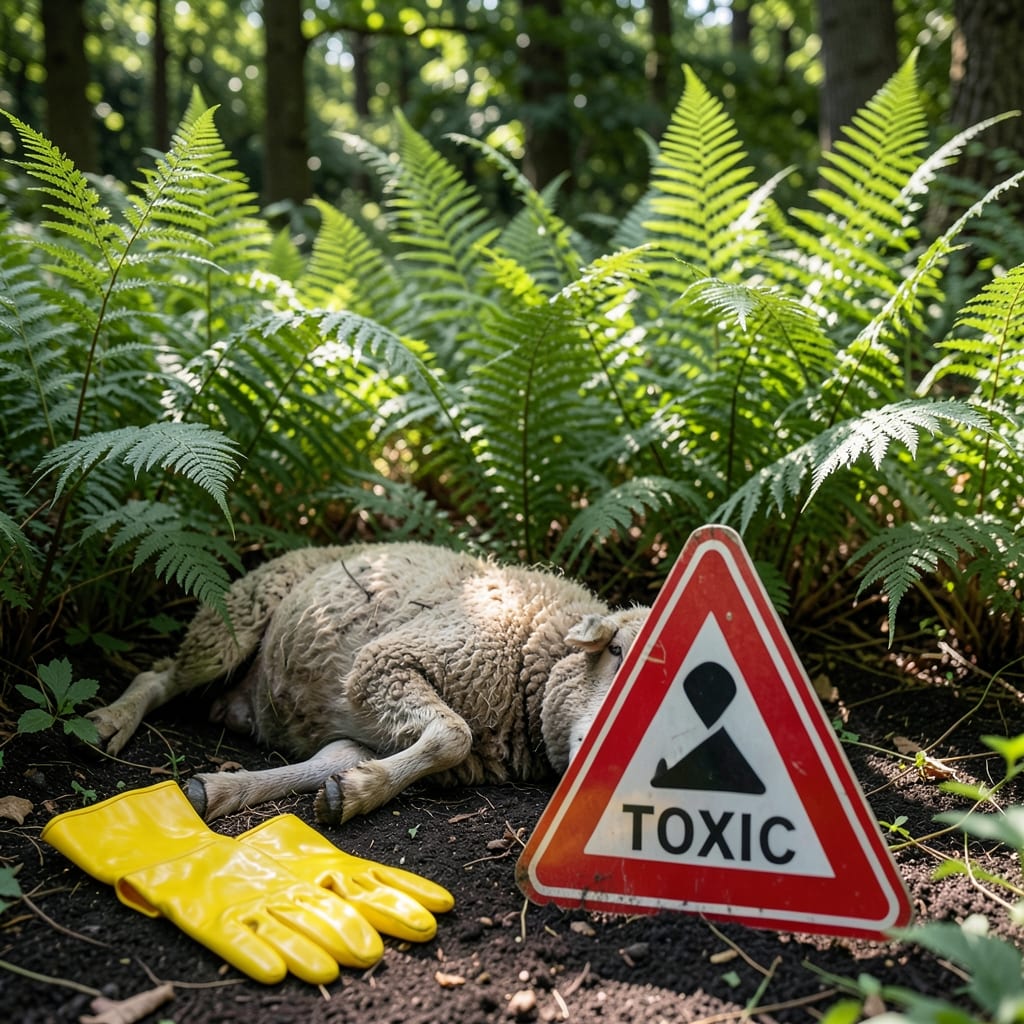
Bracken fern poisoning causes nausea, vomiting, and neurological issues due to thiaminase enzymes and ptaquiloside toxins. Livestock are most affected, but humans can also experience symptoms after consumption.
I’ve seen cases where animals grazing on bracken develop thiamine deficiency because the toxins break down this essential vitamin. 🔥 This can lead to coordination problems and even blindness in severe cases. For humans, accidental ingestion often happens with wild foraged greens, so proper identification is critical to avoid these dangerous compounds.
💡 In This Article
The primary culprit is thiaminase, an enzyme that breaks down vitamin B1 (thiamine) in the digestive tract. Without this vital nutrient, your nervous system struggles to function properly, leading to confusion, muscle weakness, and even paralysis in severe cases. The effects aren’t immediate—it often takes weeks of exposure for symptoms to appear.
Then there’s ptaquiloside, a carcinogenic compound that damages DNA and suppresses bone marrow activity. This disrupts red and white blood cell production, leaving the body vulnerable to infections and anemia. Studies show livestock consuming bracken for 2-3 weeks can develop aplastic anemia, a life-threatening condition where the bone marrow stops producing enough new blood cells.
What’s particularly insidious is how these toxins accumulate. A single exposure might cause mild gastrointestinal upset, but repeated ingestion leads to chronic toxicity. In animals, you might first notice weight loss and lethargy before the neurological symptoms emerge. The slow progression makes early diagnosis challenging, as the initial signs are often subtle and non-specific.
The combination of these compounds creates a double threat: thiaminase attacks the nervous system while ptaquiloside compromises the immune system and blood production. This is why bracken poisoning often presents with both neurological and hematological symptoms, requiring different treatment approaches for each aspect. 🔥
Humans typically experience symptoms faster than livestock because our bodies aren’t adapted to process these plant compounds. The onset can be as quick as 30 minutes for nausea, while neurological effects may take days to manifest.
This delayed reaction often leads to underreporting, as people may not connect their symptoms to bracken consumption from days prior.
Early symptoms typically include nausea, vomiting, and stomach pain within 30 minutes to 2 hours. Neurological signs like dizziness or confusion may appear later.
Animals graze consistently, leading to toxin buildup over 2-3 weeks. Their systems can’t process thiaminase and ptaquiloside as effectively as humans.
No. Cooking doesn’t neutralize the toxins. Both thiaminase and ptaquiloside remain active regardless of preparation method.
With prompt treatment, acute symptoms may resolve in 24-48 hours. However, neurological or bone marrow effects can persist for weeks.
Thiamine supplementation counters thiaminase effects. For ptaquiloside, medical support focuses on managing symptoms and blood cell production.