
Beautiful Plants For Your Interior
Beautiful Plants For Your Interior
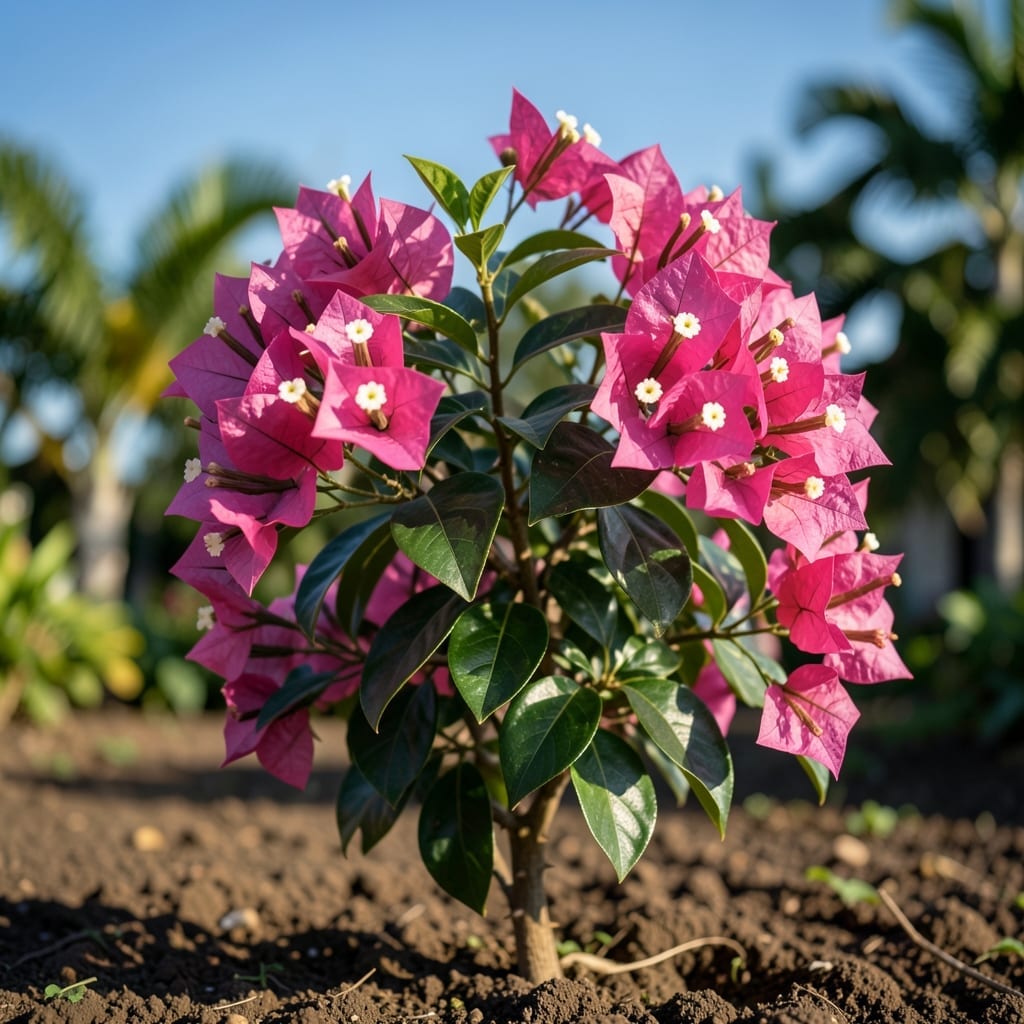
The Spanish name for bougainvillea is ‘buganvilla’ or ‘buganvacia,’ commonly used across Latin America and Spain.
I’ve noticed the most common term is buganvilla, which directly mirrors the French explorer’s name that inspired the plant’s discovery. In local nurseries across Mexico and Central America, you’ll hear this name daily. What’s fascinating is how the spelling variation emerged in different regions, yet both remain perfectly understood. 🌟
This naming convention reflects the plant’s colonial history and widespread cultivation in tropical climates where Spanish is spoken. ✨
💡 In This Article
The name buganvilla traces back to French explorer Louis Antoine de Bougainville, who first documented the plant during his 1767-1769 circumnavigation. Spanish speakers adapted his surname phonetically, creating a version that preserved the original’s essence while fitting Spanish linguistic patterns. This direct borrowing reflects how botanical names often travel with their discoverers.
The spelling variation buganvacia emerged later, likely influenced by Latin American pronunciation tendencies. In regions like Argentina and Uruguay, the -cia suffix appears more frequently, showing how local linguistic habits shape foreign words. Both forms maintain the core buganvill- root, demonstrating remarkable consistency across 20+ Spanish-speaking countries. ✨
What’s particularly interesting is how the name retained its French origin despite being fully naturalized. Unlike many plant names that get translated (like rosa for rose), buganvilla kept its foreign flavor. This mirrors how Spanish often absorbs plant names from their countries of origin, like cactus from Greek or tomate from Nahuatl. 🌟
The adaptation process shows Spanish’s flexibility with foreign words. The language typically adds an -a ending to masculine nouns, yet buganvilla remains feminine without this modification. This exception highlights how proper nouns often resist standard grammatical rules, preserving their original identity even after centuries of use. ⚡
This linguistic journey from French explorer to Spanish garden staple took about 50 years. By the early 1800s, the term appeared in Spanish botanical texts, proving how quickly useful plant names spread through colonial trade routes and scientific exchanges between Europe and the Americas. 💫
Buganvilla is universal, while buganvacia dominates in Argentina and Uruguay. Other spellings like bugambilia appear in Mexico and Central America.
Botanical names often retain their origin language, like cactus or tomate. Since bougainvillea was introduced by a French explorer, Spanish kept the foreign essence while adapting pronunciation.
Say boo-gahn-VEE-yah with stress on the third syllable. The -cia version sounds nearly identical. Listen for the rolled “r” in buganvilla to sound like a native speaker.
In some rural areas, you might hear papelo or trinitaria, but buganvilla remains the standard. These local names are fading as global gardening culture spreads.