
Beautiful Plants For Your Interior
Beautiful Plants For Your Interior
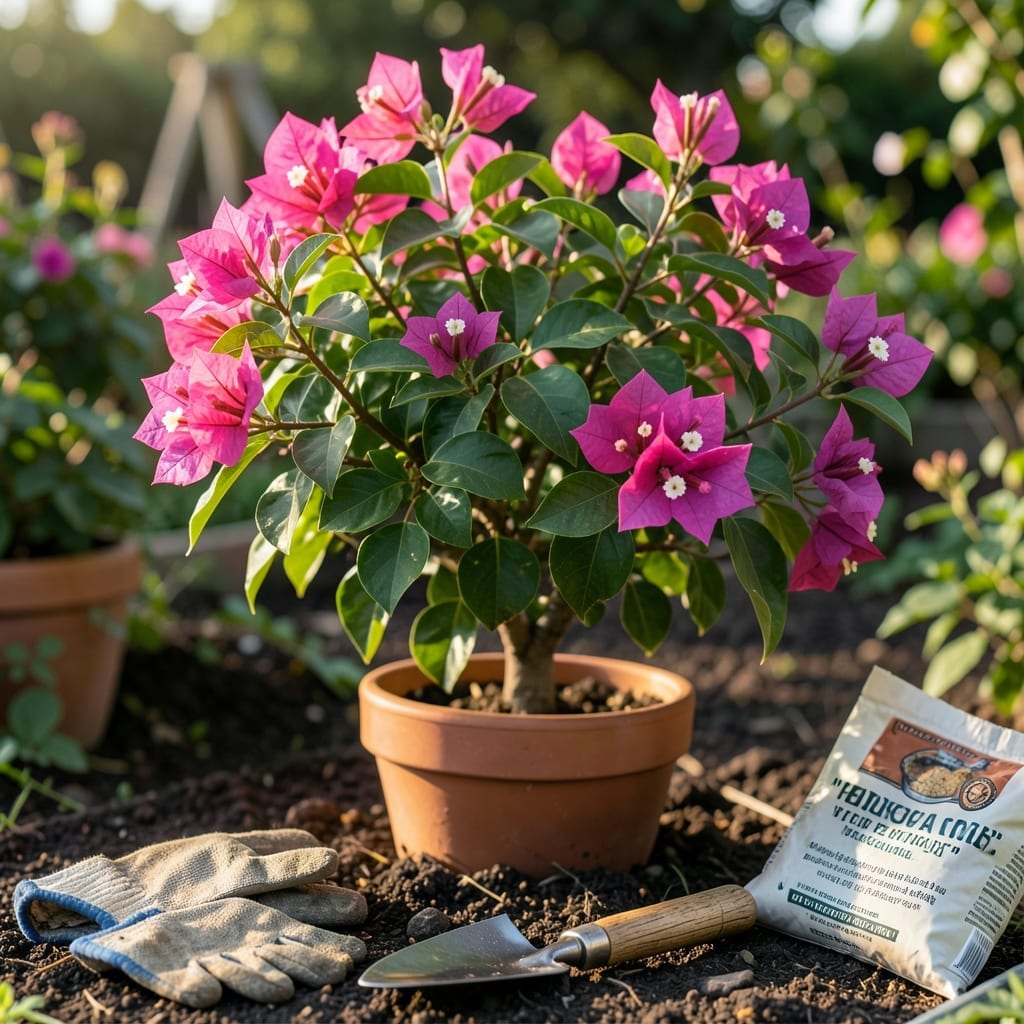
Struggling to get your 🌸 Bougainvillea to burst with color? The secret often lies in what you’re feeding it.
I’ve seen countless gardeners transform their lackluster vines into vibrant showstoppers with just a few feeding adjustments. It’s not about working harder – it’s about working smarter with the right nutrients.
Whether you’re growing in zone 9b-11 or just starting out, the proper plant food can make all the difference. Let me show you exactly how to achieve those stunning blooms you’ve been dreaming of.
Discover the simple feeding strategies that will have your Bougainvillea thriving like never before. Your neighbors won’t believe it’s the same plant!

To get those vibrant bougainvillea blooms, you need the right nutrient balance. These tropical vines are heavy feeders, especially when producing their colorful bracts. The key is understanding which elements fuel growth versus flowering.
I’ve found that nitrogen promotes leafy growth, while phosphorus boosts blooms. Potassium strengthens the plant’s overall health and disease resistance. But don’t overlook micronutrients like iron and magnesium—they’re crucial for that deep color.
| Nutrient | Role in Bougainvillea | Ideal Ratio |
|---|---|---|
| Nitrogen (N) | Leaf and stem growth | 10-30% |
| Phosphorus (P) | Flower and root development | 10-20% |
| Potassium (K) | Disease resistance | 10-20% |
| Iron (Fe) | Prevents yellowing leaves | Trace amount |
| Magnesium (Mg) | Enhances bloom color | Trace amount |
For bougainvillea plant food, I recommend a balanced NPK ratio like 10-10-10 during the growing season. But when you want to maximize blooms, switch to a formula higher in phosphorus, such as 7-9-5.
Soil pH matters too. Bougainvilleas prefer slightly acidic to neutral soil, around 6.0 to 7.0. If your soil is too alkaline, the plant may struggle to absorb iron, leading to chlorosis (yellow leaves).
I’ve seen dramatic improvements in bloom quality after amending the soil with compost or well-rotted manure. These organic additions provide slow-release nutrients and improve soil structure, helping roots access the food they need.
Don’t forget about micronutrients. A lack of iron or magnesium can cause poor color development in the bracts. If you notice pale or yellowish blooms, consider supplementing with a micronutrient-rich fertilizer or chelated iron.
In my experience, liquid fertilizers work well for a quick boost, especially during the active growing season. But for long-term health, I prefer slow-release granules that feed the plant gradually over several weeks.
Remember, over-fertilizing can be just as harmful as under-feeding. Too much nitrogen, for example, leads to excessive leafy growth at the expense of blooms. Stick to the recommended dosage and monitor your plant’s response.
Finally, always water deeply after applying fertilizer to help distribute the nutrients evenly and prevent root burn. This simple step can make a big difference in how effectively your bougainvillea absorbs its plant food. 🌸
Choosing the right bougain plant food can feel overwhelming with so many options. I’ve tested both organic and synthetic fertilizers to see which delivers the best blooms. Each has its place in a bougainvillea care routine.
Organic options like compost tea and bone meal feed the soil as much as the plant. They improve soil structure and encourage beneficial microbes. Synthetic fertilizers, on the other hand, provide immediate nutrients for quick results.
| Type | Pros | Cons |
|---|---|---|
| Compost Tea | Improves soil health, slow-release | Weaker nutrient concentration |
| Bone Meal | High in phosphorus, great for blooms | Slow to break down |
| Slow-Release Granules | Feeds for weeks, easy to apply | More expensive upfront |
| Liquid Feeds | Fast-acting, precise control | Requires frequent application |
For organic fertilizers, I love using fish emulsion during the growing season. It’s rich in nitrogen and provides a quick boost. Banana peels are another great organic option, as they’re high in potassium.
Synthetic fertilizers like 10-10-10 balanced blends are perfect for consistent feeding. I recommend using them every 4-6 weeks during the active growing season. For blooms, switch to a 7-9-5 formula higher in phosphorus.
Slow-release granules are my go-to for low-maintenance feeding. They gradually release nutrients over 2-3 months, reducing the need for frequent applications. Just sprinkle around the base and water in.
No matter which type you choose, always follow the package instructions. Over-fertilizing can lead to leaf burn or excessive foliage growth at the expense of blooms. And remember, water deeply after applying to help distribute nutrients. 🌸