
Beautiful Plants For Your Interior
Beautiful Plants For Your Interior
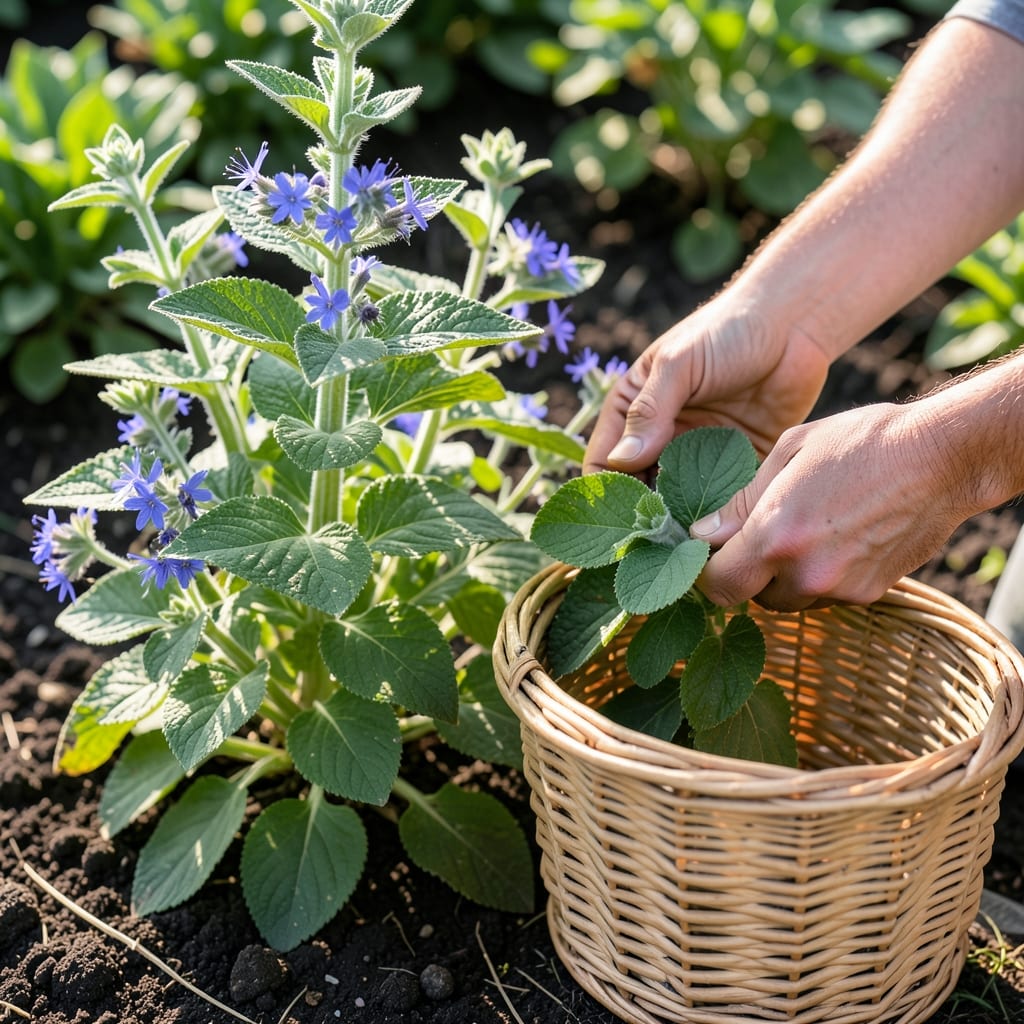
Yes, borage leaves are edible and often used fresh or cooked. They have a mild cucumber-like flavor but contain small amounts of pyrrolizidine alkaloids, so consume in moderation.
I love using these in summer salads for their refreshing taste, but the alkaloids mean I never eat more than a few leaves at a time. Liver toxicity is a real concern with excessive intake, so I always err on the side of caution. The cucumber notes pair beautifully with lemon or yogurt-based dressings. ⚡
💡 In This Article
Borage leaves contain pyrrolizidine alkaloids—natural compounds that can stress the liver in high doses. These alkaloids aren’t destroyed by cooking, so moderation is key. The German Federal Institute for Risk Assessment recommends limiting intake to small amounts occasionally, not daily. Even 1-2 leaves occasionally is considered safe for healthy adults, but cumulative exposure matters. 🔥
Liver toxicity becomes a concern with prolonged or heavy consumption. Studies show these alkaloids can cause veno-occlusive disease in extreme cases, where blood flow to the liver is blocked. Pregnant women, nursing mothers, and those with existing liver conditions should avoid borage entirely.
The alkaloid content varies by plant part, with leaves containing about 0.005-0.01% by dry weight. ⚡
What makes these compounds tricky is their slow accumulation in the body. Unlike immediate food poisoning, the effects build over time. This is why traditional herbal medicine often uses borage in controlled, short-term applications rather than as a daily food.
The seeds contain even lower alkaloid levels, making the oil a safer option for culinary use. ✨
For perspective, you’d need to consume about 10-20 grams of fresh leaves daily for weeks to approach concerning levels. But since individual sensitivity varies, it’s wise to treat borage leaves as a flavorful accent rather than a staple green. Always source from trusted growers, as wild borage may have higher alkaloid concentrations. 💫
If you’re using borage medicinally, consult a healthcare provider first. The leaves’ diuretic and anti-inflammatory properties come with the same alkaloid caution. Even in cooking, I recommend using young leaves—they’re milder in both flavor and alkaloid content. The fuzzy texture also softens with brief cooking, making them more palatable in soups or sautés. 🌟
Yes, young leaves have a fresh, mild cucumber flavor with subtle mint notes. Older leaves develop slight bitterness, so harvest young for best taste.
Use 1-2 leaves per serving and avoid daily consumption. Brief cooking for 30 seconds softens the texture. Always source from trusted growers.
Pregnant women, nursing mothers, and anyone with liver conditions should steer clear. Children should also avoid due to alkaloid sensitivity.
Fresh leaves make better tea as drying intensifies bitterness. If using dried, steep for only 3-4 minutes to prevent over-extraction.