
Beautiful Plants For Your Interior
Beautiful Plants For Your Interior
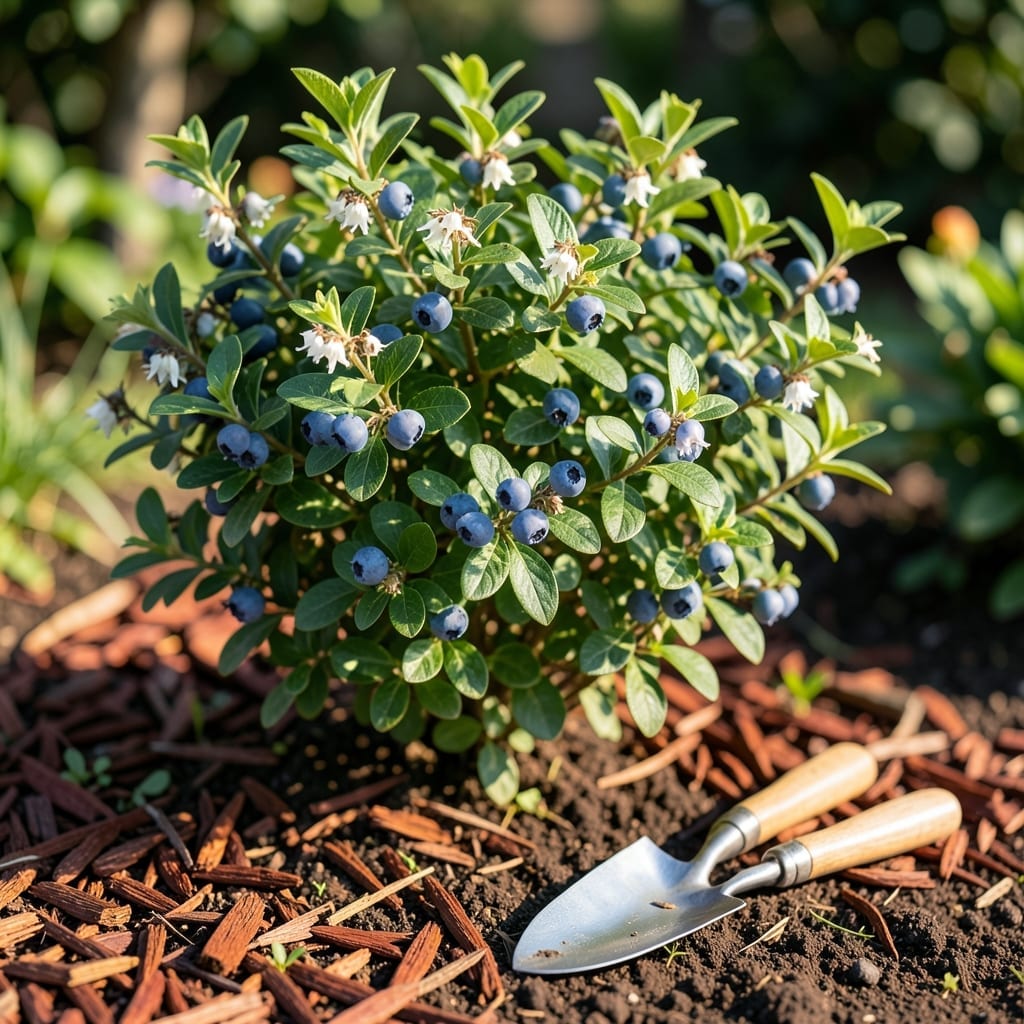
Ever planted a 🫐 Blueberry bush only to watch it struggle year after year? The problem might be right under your feet. These finicky plants demand very specific soil conditions to truly thrive.
Most gardeners don’t realize that blueberries need more than just good dirt – they require a precisely acidic environment to grow their best. Get this wrong, and you’ll be left with sickly plants and meager harvests.
I’ve learned through trial and error what makes Blueberry bushes flourish. The good news is that with a few simple adjustments to your soil, you can transform your plants from barely surviving to absolutely thriving.
Let me walk you through exactly what your soil needs to become the perfect home for these delicious berries. You’ll be amazed at the difference it makes.
I’ve learned that blueberries need acidic soil to thrive, ideally with a pH between 4.0 and 5.5. This acidity allows them to absorb essential nutrients like iron and aluminum, which are critical for healthy growth.
When soil pH is too high, these nutrients become locked away, leading to yellow leaves and stunted growth. Testing your soil pH is the first step to creating the perfect environment for your bushes.
| Requirement | Specification |
| Ideal pH Range | 4.0 to 5.5 |
| Soil Type | Loamy, well-draining |
| Key Nutrients | Iron, Aluminum |
| Testing Method | pH test kit |
| Natural Indicators | Pine needles, moss |
You can test your soil with an affordable pH test kit from any garden center. These kits usually include a soil probe and a color-coded chart to match your results. I recommend testing multiple spots in your garden for accuracy.
If you prefer a low-tech approach, look for natural indicators like pine needles or moss. These plants thrive in acidic soil, signaling that your blueberries might do well there too. However, a test kit is far more reliable.
When soil is too alkaline, blueberries struggle to absorb nutrients, even if they’re present. This often results in chlorosis, where leaves turn yellow while veins stay green. Fixing this requires amending the soil to lower its pH.
I’ve found that elemental sulfur or aluminum sulfate work well for lowering pH. Follow package instructions carefully, as too much can harm your plants. Organic options like peat moss or pine bark also help gradually.
Remember, blueberries hate soggy roots. Ensure your soil is well-draining to prevent waterlogged conditions, which can lead to root rot. Mixing in compost or sand can improve drainage if needed.
If your soil is naturally alkaline, consider planting blueberries in raised beds or containers. This gives you more control over the soil mix and pH levels, ensuring your bushes get exactly what they need.
Regular monitoring is key. Test your soil pH every spring before the growing season starts. This helps you catch any changes early and adjust your amendments as needed. 🌱
Finally, keep in mind that consistency matters. Blueberries prefer stable conditions, so avoid drastic changes to your soil. Slow, steady adjustments will keep your plants happy and productive for years to come. 🌿
Creating the perfect blueberry soil starts with understanding what these plants crave. They need acidic conditions with a pH between 4.0-5.5, which most garden soil doesn’t naturally provide. I’ve found that amending the soil is often necessary to hit this sweet spot.
The good news is that you can transform almost any soil into a blueberry paradise with the right additions. The key is using organic amendments that both acidify and improve soil structure. Here’s how I do it in my own garden.
I always start with a soil test before amending. This tells me exactly how much to adjust the pH. For most gardens, mixing in 2-3 inches of peat moss into the top 6 inches of soil works wonders. It’s my go-to first step for new blueberry beds.
For existing plants, I top-dress with pine needles or oak leaf compost each spring. These break down slowly, maintaining acidity without shocking the plants.
Elemental sulfur is powerful for quick adjustments. I use about 1 lb per 100 sq ft to lower pH by 1 unit. But be cautious – it’s easy to overdo it. Always follow package instructions and retest after a few weeks.
The final touch is mulching with more acidic materials. I love using pine bark as it slowly breaks down and feeds the soil. This creates a self-sustaining system that keeps my blueberries happy year after year. 🌱