
Beautiful Plants For Your Interior
Beautiful Plants For Your Interior
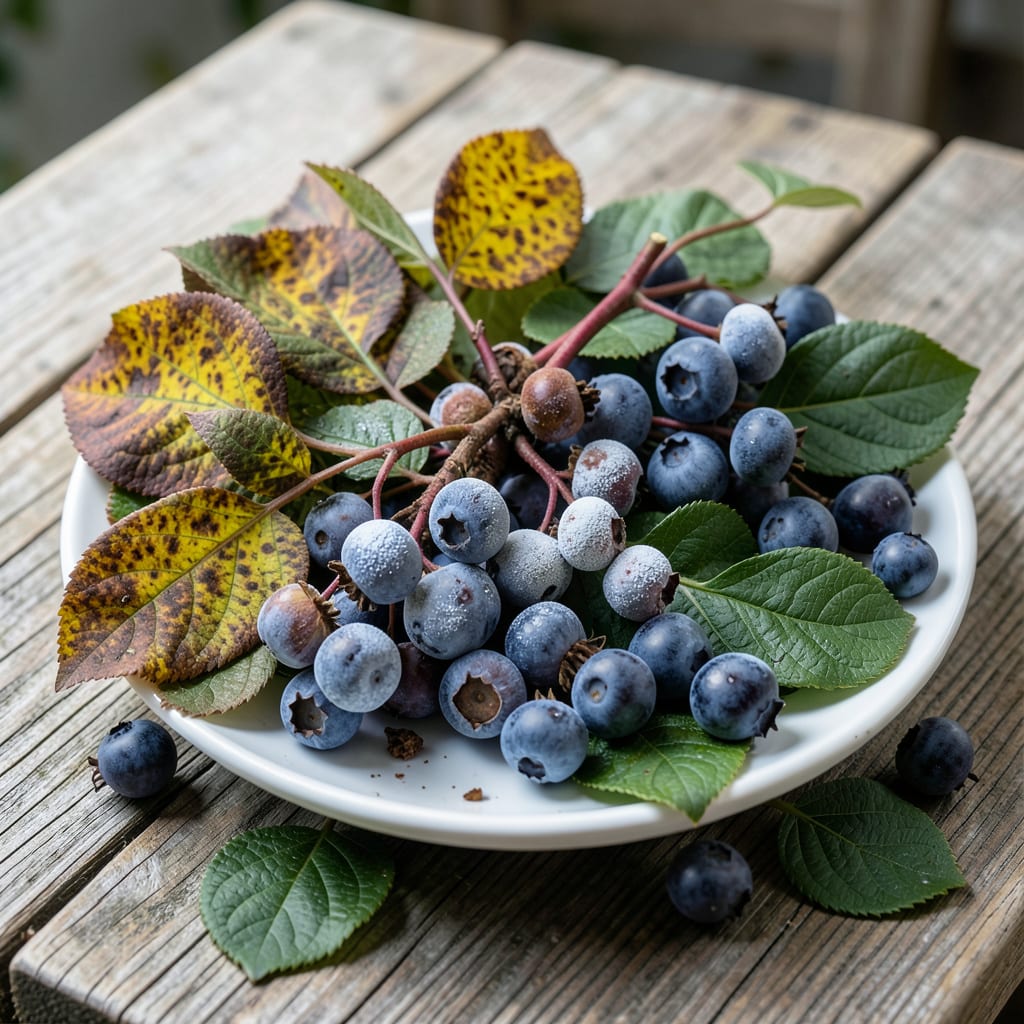
Spotted something off on your blueberry bushes? I’ve been there—watching healthy plants turn spotted or wilting overnight. A quick visual check can mean the difference between saving your crop and losing it.
Early signs like discolored leaves or powdery coatings often get ignored until it’s too late. I learned the hard way that most blueberry diseases announce themselves weeks before they spread. Catching them early means simpler fixes.
This guide helps you match what you’re seeing to the right problem, with clear steps to stop it in its tracks. No guesswork, just actionable solutions for organic and traditional approaches.
Works for backyard growers, commercial patches, or even container plants. Here’s how to keep your bushes healthy and productive.
Understanding the root causes of blueberry plant diseases helps you prevent and manage issues effectively. Below are the primary factors that trigger these problems, explained scientifically and actionably.
Blueberries thrive in acidic soil (pH 4.0–5.2) and require consistent moisture. When conditions deviate, plants become vulnerable:
Fungal, bacterial, and viral pathogens exploit weak plants or poor cultural practices:
Insects and mites create entry points for diseases or spread pathogens directly:
Human error often accelerates disease spread:
Tackling blueberry plant diseases starts with quick action and the right approach. Below are practical fixes for the most common problems, paired with prevention tips to keep your plants thriving. 🌿
Fix: Remove and destroy infected leaves or stems immediately to prevent spread. Apply a copper-based fungicide or a homemade baking soda solution (1 tbsp baking soda + 1 tsp dish soap + 1 gallon water). Spray every 7–10 days until symptoms disappear.
Prevent: Improve air circulation by pruning crowded branches. Water at the base (not overhead) to keep leaves dry. 💡 Pro Tip: Plant disease-resistant varieties like ‘Duke’ or ‘Bluecrop’.
Fix: Blast pests off with a strong stream of water. For severe infestations, use neem oil or insecticidal soap, applying in the early morning or late evening. Introduce beneficial insects like ladybugs for natural control.
Prevent: Inspect plants weekly for early signs. Keep the area free of weeds and debris where pests hide. 🎯 Pro Tip: Yellow sticky traps can catch flying pests like aphids.
Fix: Dig up affected plants and trim black, mushy roots. Repot in fresh, well-draining acidic soil (pH 4.5–5.5). Avoid replanting in the same spot; rotate crops or use containers.
Prevent: Ensure soil has excellent drainage—raise beds or use containers if needed. Water deeply but infrequently, and avoid overwatering. ✨ Pro Tip: Mulch with pine bark to maintain soil acidity.
Fix: Test soil pH (ideal: 4.5–5.5). If too high, amend with sulfur or peat moss. For iron deficiency (common in alkaline soil), apply a chelated iron fertilizer. Yellow leaves with green veins? Magnesium sulfate (Epsom salt) can help.
Prevent: Fertilize with a blueberry-specific acid-loving plant food in early spring and mid-summer. 🌡️ Pro Tip: Avoid high-nitrogen fertilizers—they can harm fruit production.
Fix: Prune damaged branches back to healthy wood. Apply a balanced fertilizer to support recovery. If flowers are damaged, thin out remaining fruit to reduce stress on the plant.
Prevent: Cover plants with frost cloth or burlap during cold snaps. Plant in a sheltered location or use containers that can be moved indoors. ⏰ Pro Tip: Late frosts are common—monitor weather forecasts in spring.
Look for white powdery coatings or dark spots with yellow halos on leaves. Powdery mildew appears as a fine white dust, while leaf spot diseases create circular lesions.
Ensure soil has excellent drainage and maintain a pH of 4.5-5.5. Use raised beds or containers with acidic soil. Avoid overwatering and remove standing water immediately.
Yes! A strong water spray can remove aphids, while neem oil works for persistent infestations. Apply in early morning or late evening for best results.
This often indicates nutrient deficiency. Test soil pH first – if too high, amend with sulfur. For iron deficiency, use chelated iron fertilizer. Magnesium sulfate helps with yellow leaves with green veins.
