
Beautiful Plants For Your Interior
Beautiful Plants For Your Interior
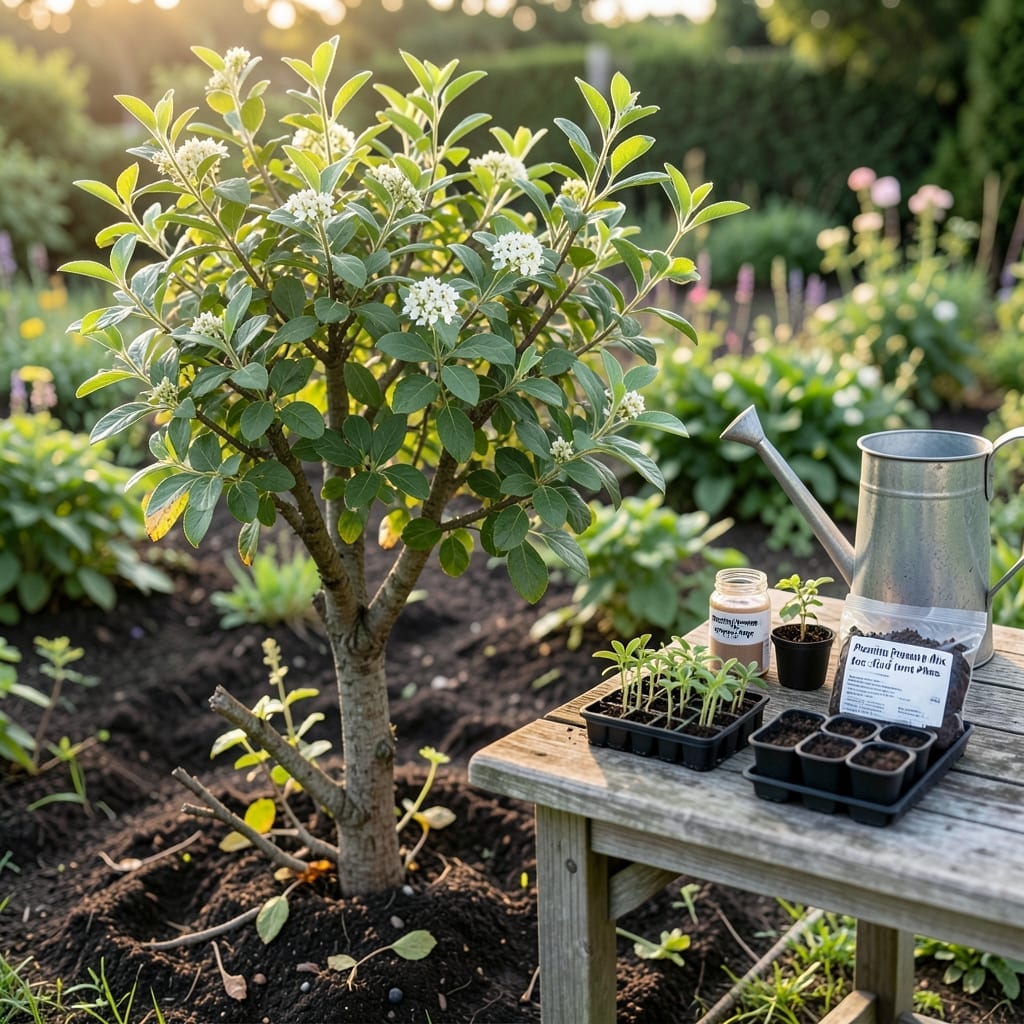
Imagine turning one healthy 🫐 Blueberry bush into a thriving patch without spending a dime. Propagating from cuttings makes this possible, and it’s easier than you might think.
This method saves money while giving you complete control over your plants’ quality. Whether you’re expanding your garden or sharing with friends, the results are rewarding.
I’ve tested various techniques, and what I’m about to share works consistently. With the right approach, you’ll see new roots forming in just a few weeks.
Let me walk you through the proven steps that turn simple cuttings into fruit-bearing bushes. You’ll be amazed at how straightforward the process can be.
Propagating blueberries from cuttings is a rewarding way to expand your garden. I’ve found that softwood cuttings taken in late summer work best for rooting success. The key is selecting healthy, disease-free stems with new growth.
Before you start, gather sterilized pruners, a rooting hormone, and a well-draining medium like perlite or peat moss. This ensures your blueberry cuttings have the best chance to thrive.
I always use a 50/50 mix of peat moss and perlite for my blueberry propagation. This blend holds moisture while allowing drainage, which is critical for root development.
Humidity is another key factor. A clear plastic bag or propagation dome helps maintain high humidity around the cuttings. Just
Place your cuttings in a location with bright, indirect light. Direct sunlight can overheat the cuttings, while too little light slows rooting. A north-facing window or under grow lights works well.
In 6-8 weeks, you should see new root growth. Gently tug on the cuttings—if they resist, roots are forming. Once roots are 1-2 inches long, it’s time to transplant.
When transplanting, use acidic soil with a pH of 4.5-5.5. Blueberries thrive in acidic conditions, so I always mix in peat moss or sulfur to lower the pH if needed.
After transplanting, keep the soil consistently moist but not waterlogged. I water my new plants every 2-3 days for the first few weeks to help them establish.
With patience and care, your blueberry cuttings will grow into healthy, fruit-bearing plants. It’s a process that takes time, but the reward of homegrown blueberries is worth it! 🌱
Not all blueberry varieties root equally well from cuttings. I’ve had the best success with Southern Highbush and Rabbiteye types. These varieties produce strong, healthy roots when propagated properly.
For beginners, I recommend starting with Rabbiteye blueberries. They’re more forgiving and root quickly in warm climates. Northern Highbush varieties also work but may need extra care.
| Variety | Rooting Success |
|---|---|
| Rabbiteye | High, fast rooting |
| Southern Highbush | Very high, heat tolerant |
| Northern Highbush | Moderate, needs care |
I always look for disease-resistant varieties when propagating. This ensures my new plants stay healthy and productive for years to come.
Lowbush blueberries can also be propagated from cuttings, but they’re trickier. Their small size means fewer nodes to work with, which can slow rooting.
When selecting a parent plant, choose one that’s at least 3 years old. Younger plants may not have enough energy reserves to support new cuttings.
Remember, the healthier the parent, the better your cuttings will perform. I always take cuttings from my most productive bushes for the best results. 🌱