
Beautiful Plants For Your Interior
Beautiful Plants For Your Interior
Transform your garden into a pollinator paradise with Blue Firefly Petunias. These vibrant, easy-to-grow flowers add stunning blue hues while attracting bees, butterflies, and hummingbirds to your outdoor space.
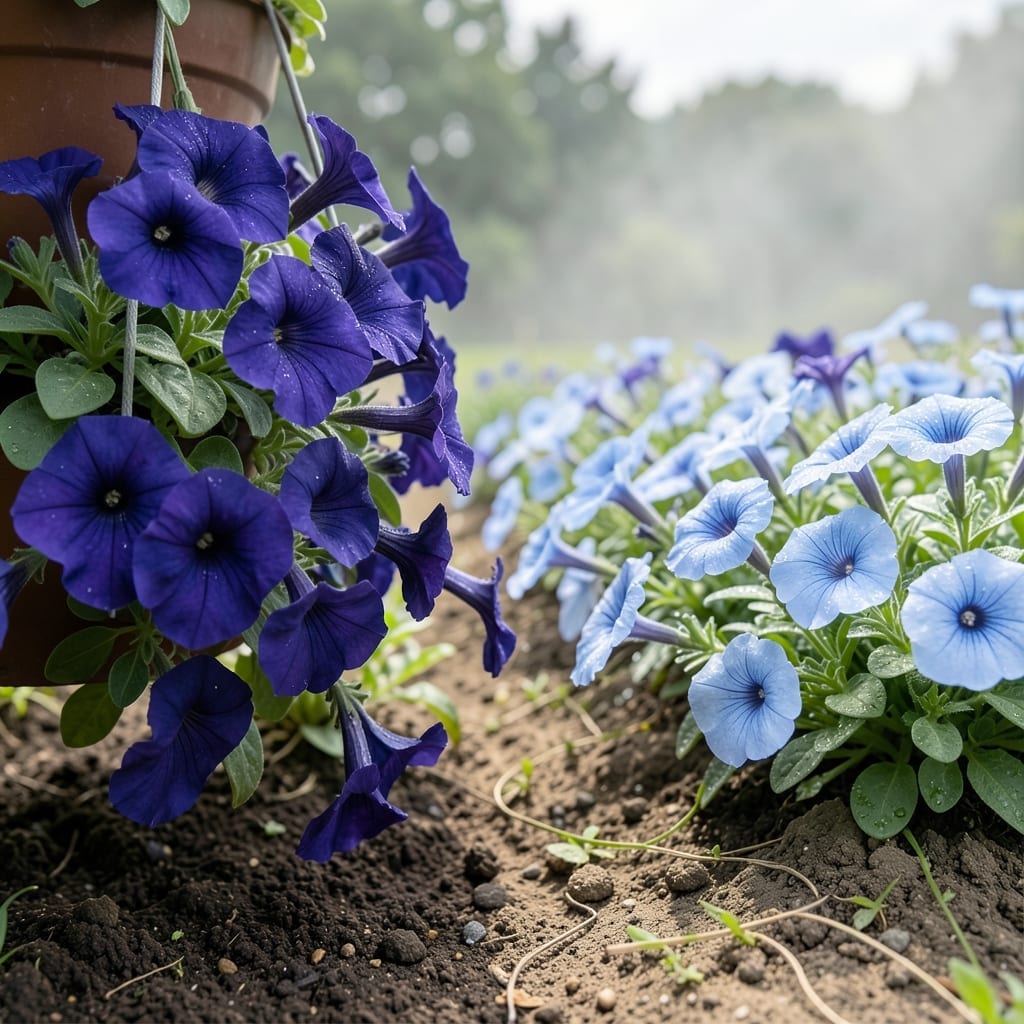
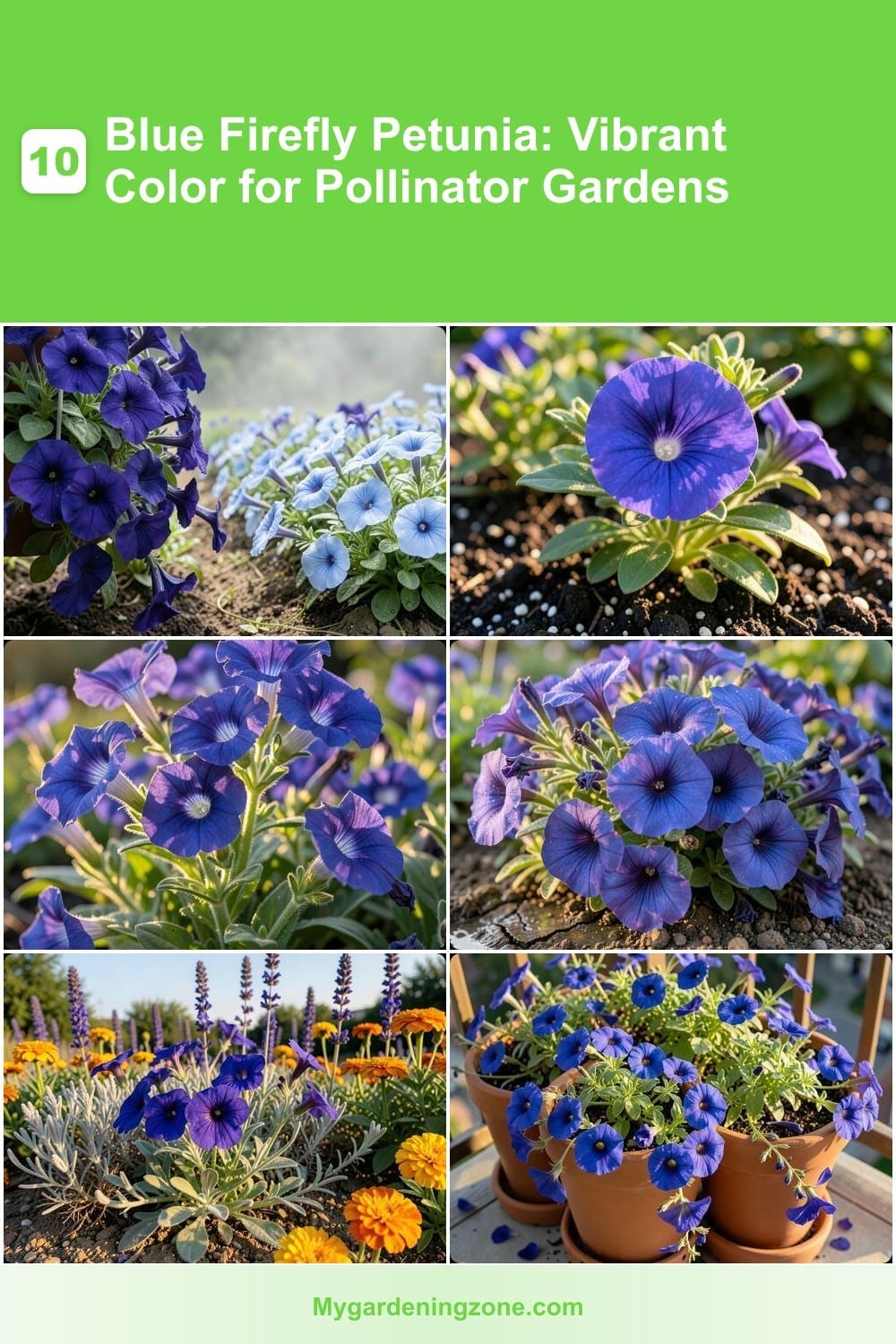
Not all Blue Firefly Petunias are created equal—each strain offers unique traits for different growing conditions. You’ll find varieties like the compact ‘Storm’ series for containers or the heat-tolerant ‘Wave’ types for full-sun beds.
Some thrive in humid climates, while others excel in drier soils, making it easy to match a variety to your garden’s needs. Their deep violet-blue hues and trailing habits create stunning visuals, whether in borders or hanging baskets.
Perfect for gardeners who want pollinator-friendly color with minimal fuss. These adaptable blooms bring vibrancy to any space. 🌿
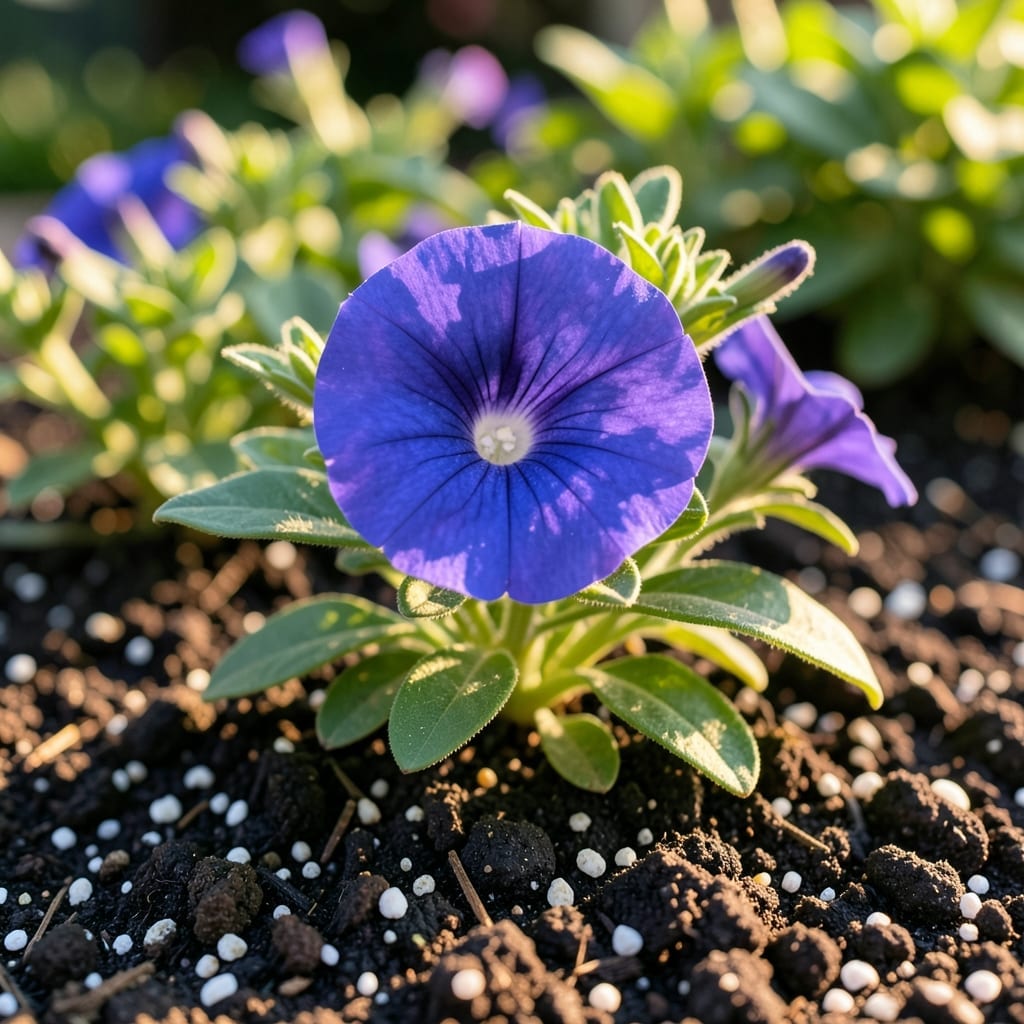
For vibrant Blue Firefly Petunias, soil quality makes all the difference in bloom intensity and plant vigor. These beauties thrive in well-draining, loamy soil with a slightly acidic to neutral pH between 6.0 and 7.0.
A mix of compost and perlite improves aeration while retaining moisture. Avoid heavy clay or waterlogged soils, which lead to root rot. Amend your beds with organic matter for the best results, especially in regions with poor native soil.
This approach ensures your petunias develop deep color and strong stems, perfect for gardeners aiming for pollinator-friendly displays. 🌱
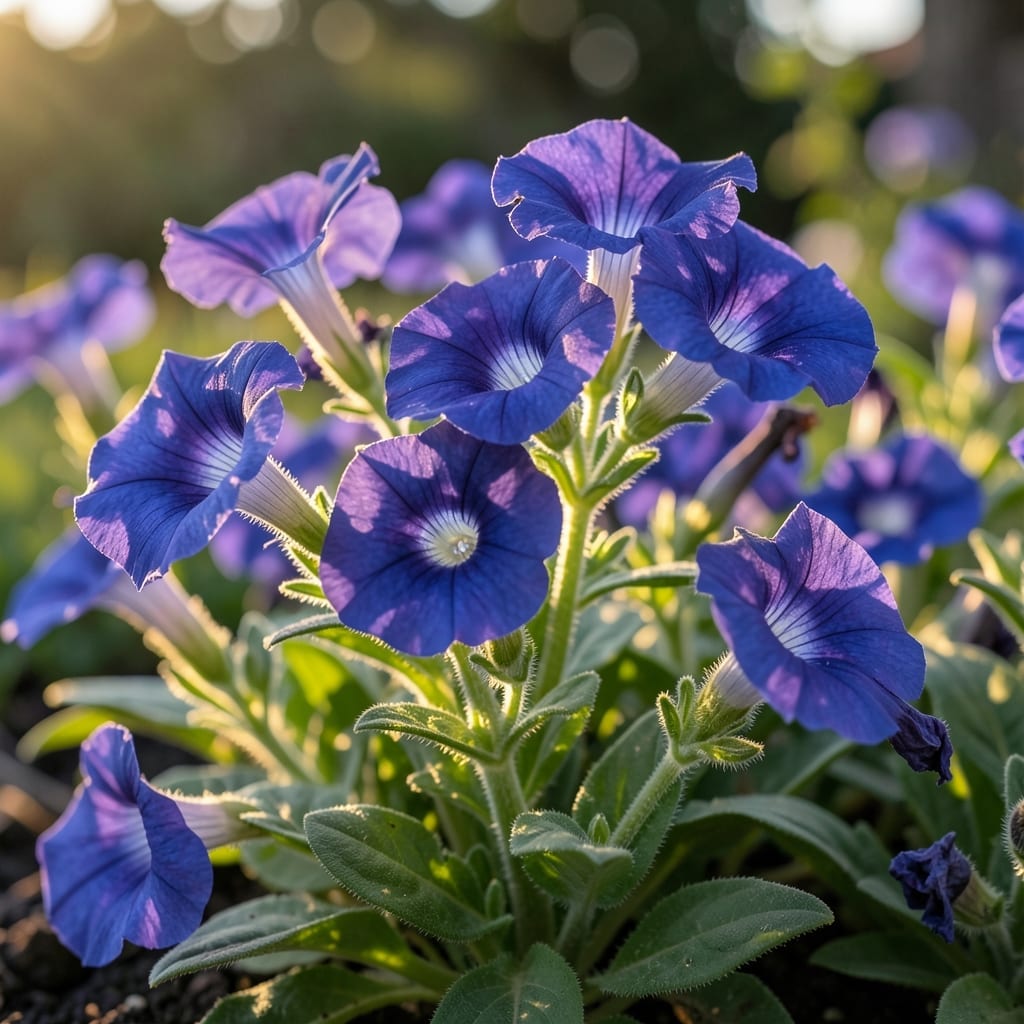
Blue Firefly Petunias flourish with 6-8 hours of direct sunlight daily, producing their most vibrant blooms when basking in full sun. These sun-loving annuals wilt slightly in intense afternoon heat but recover quickly with consistent moisture.
In partial shade, expect fewer but larger blooms—ideal for gardens with dappled sunlight. If your region has scorching summers, afternoon shade protects petals from fading. Container gardeners can move pots to follow the sun’s path for optimal exposure.
Perfect for gardeners in warm climates wanting continuous color from spring to frost. 🌻
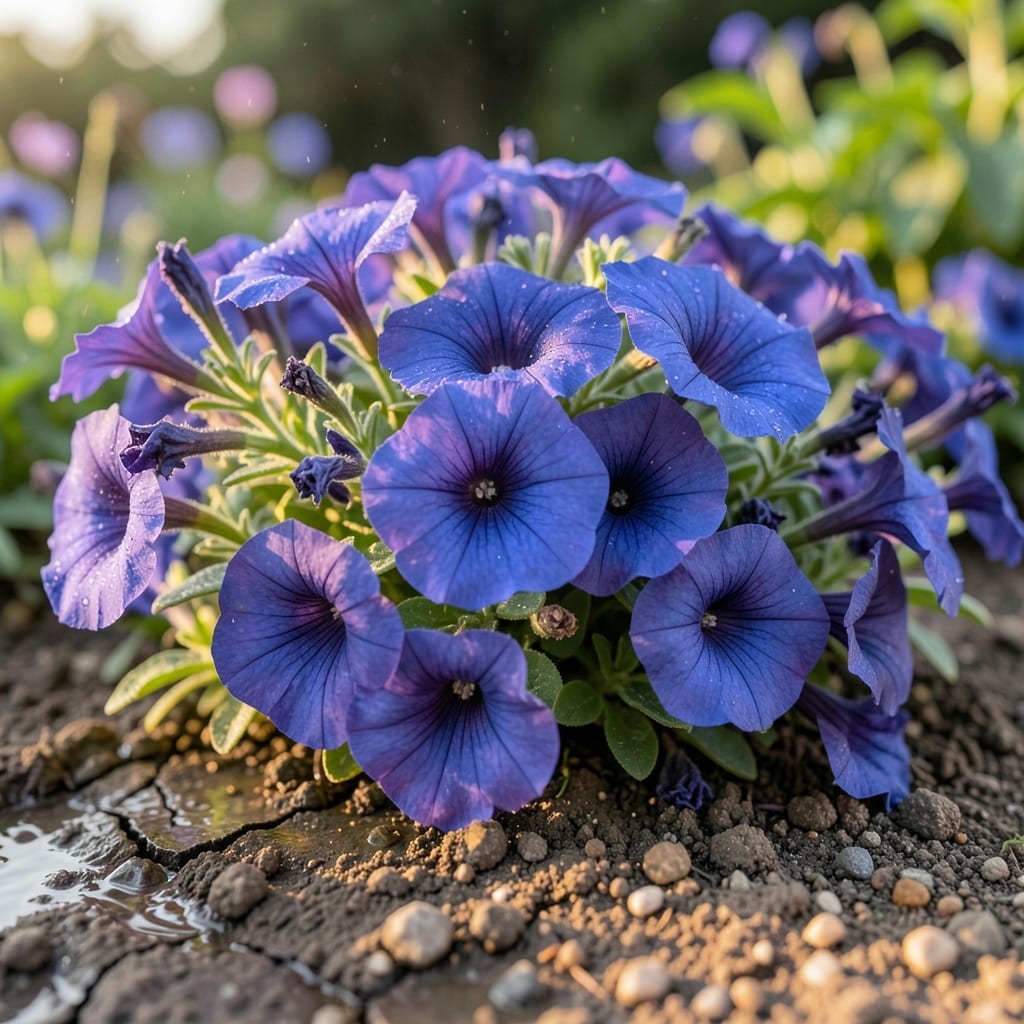
Blue Firefly Petunias hate soggy roots but wilt dramatically when thirsty. Mastering their watering needs keeps blooms vibrant and plants thriving all season long.
Water deeply when the top inch of soil feels dry, aiming for about 1 inch per week including rain. Early morning is ideal to prevent fungal issues. Drip irrigation or soaker hoses work best to keep foliage dry and deliver moisture directly to roots.
This method prevents both overwatering and drought stress, keeping your petunias lush and flowering continuously. Perfect for gardeners who want fuss-free color. 🌱
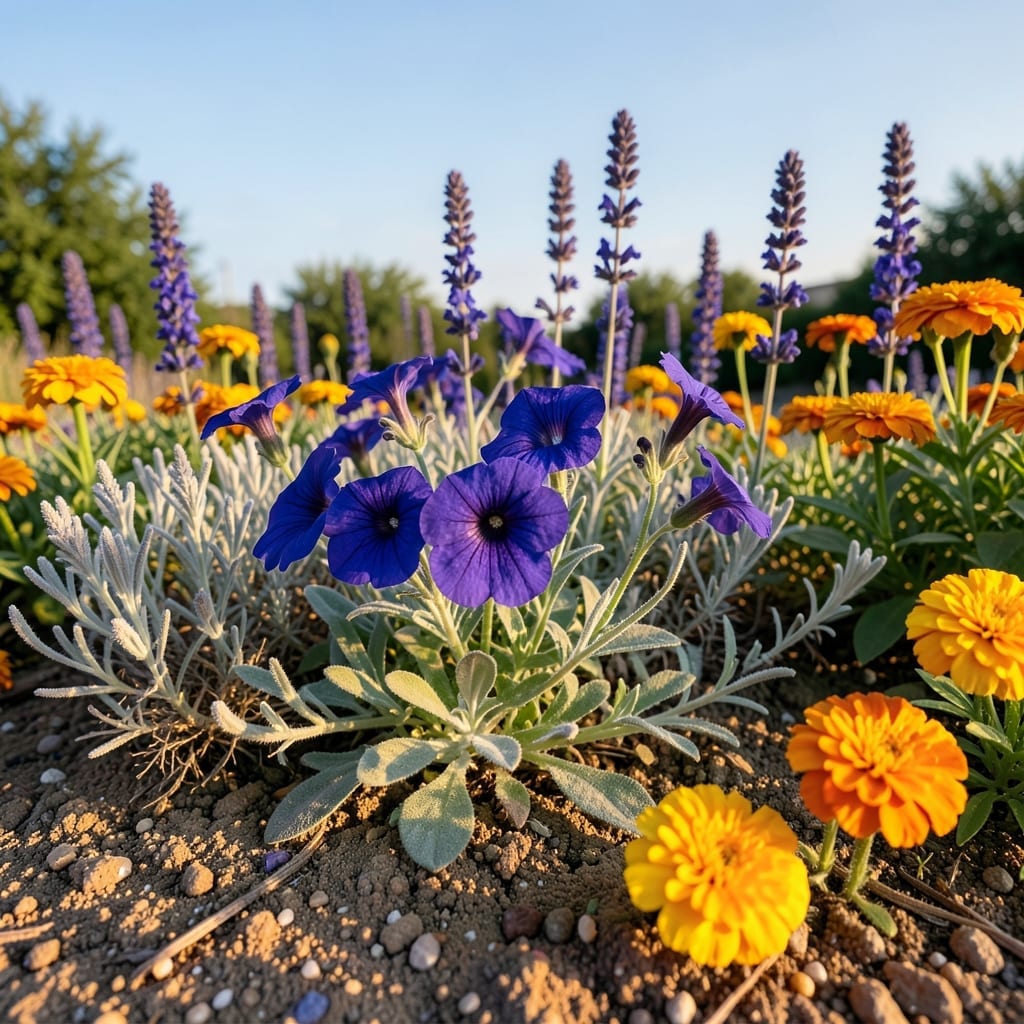
Boost your garden’s pollinator appeal by pairing Blue Firefly Petunias with plants that share their love for sun and well-draining soil. Try lavender for its calming scent and bee-friendly blooms, or marigolds to deter pests while adding cheerful yellows.
Other great companions include salvia, with its tall spikes that attract hummingbirds, or cosmos, which self-seeds for effortless color year after year. These pairings create a layered, vibrant ecosystem that supports a variety of pollinators.
Ideal for gardeners who want a low-maintenance, high-impact pollinator garden that thrives from spring to fall. 🌿
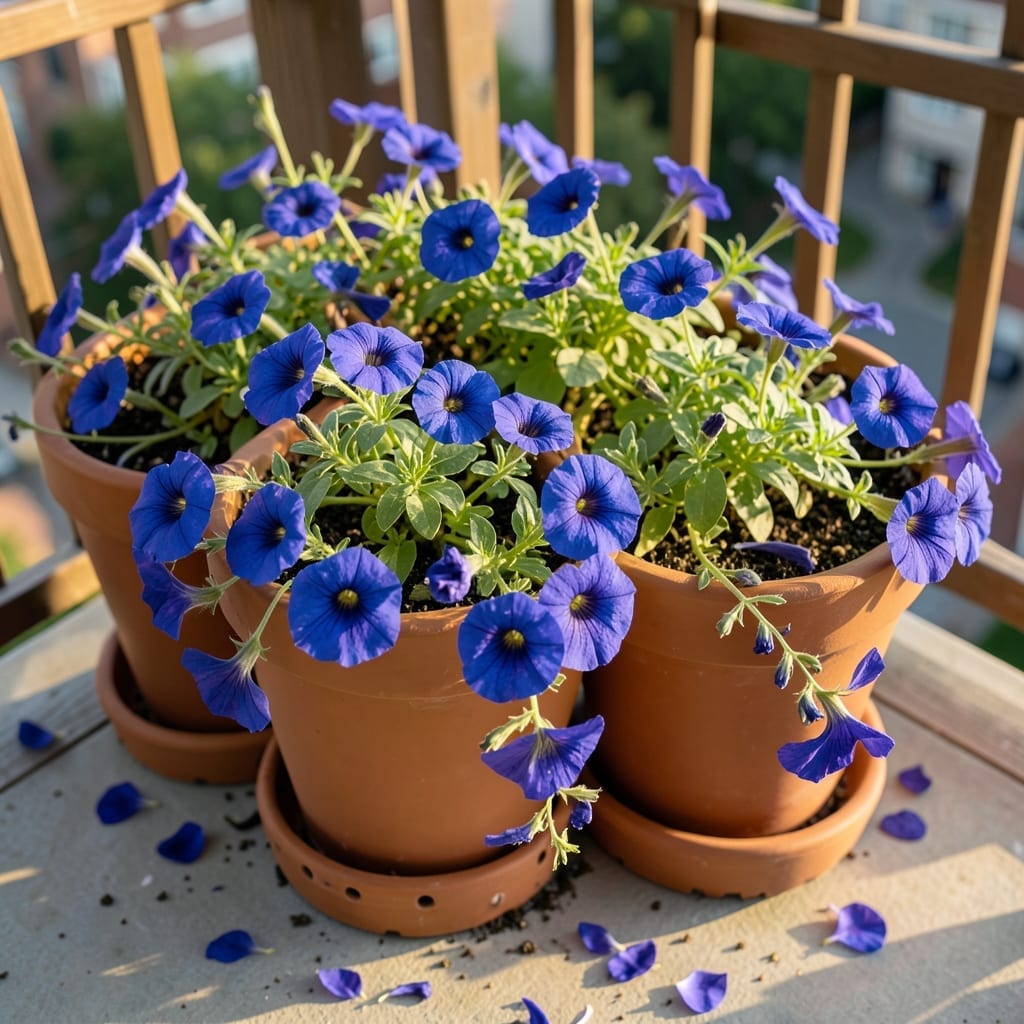
Urban gardeners, meet your new best friend: Blue Firefly Petunias thrive in containers, bringing vibrant color to even the smallest balconies or patios.
Choose pots with drainage holes and fill them with lightweight potting mix. These trailing beauties cascade over edges, making them perfect for hanging baskets or window boxes with at least 6-8 hours of sunlight.
With minimal space and effort, you’ll enjoy continuous blooms that attract pollinators all season long. Ideal for apartment dwellers and small-space gardeners. 🌱
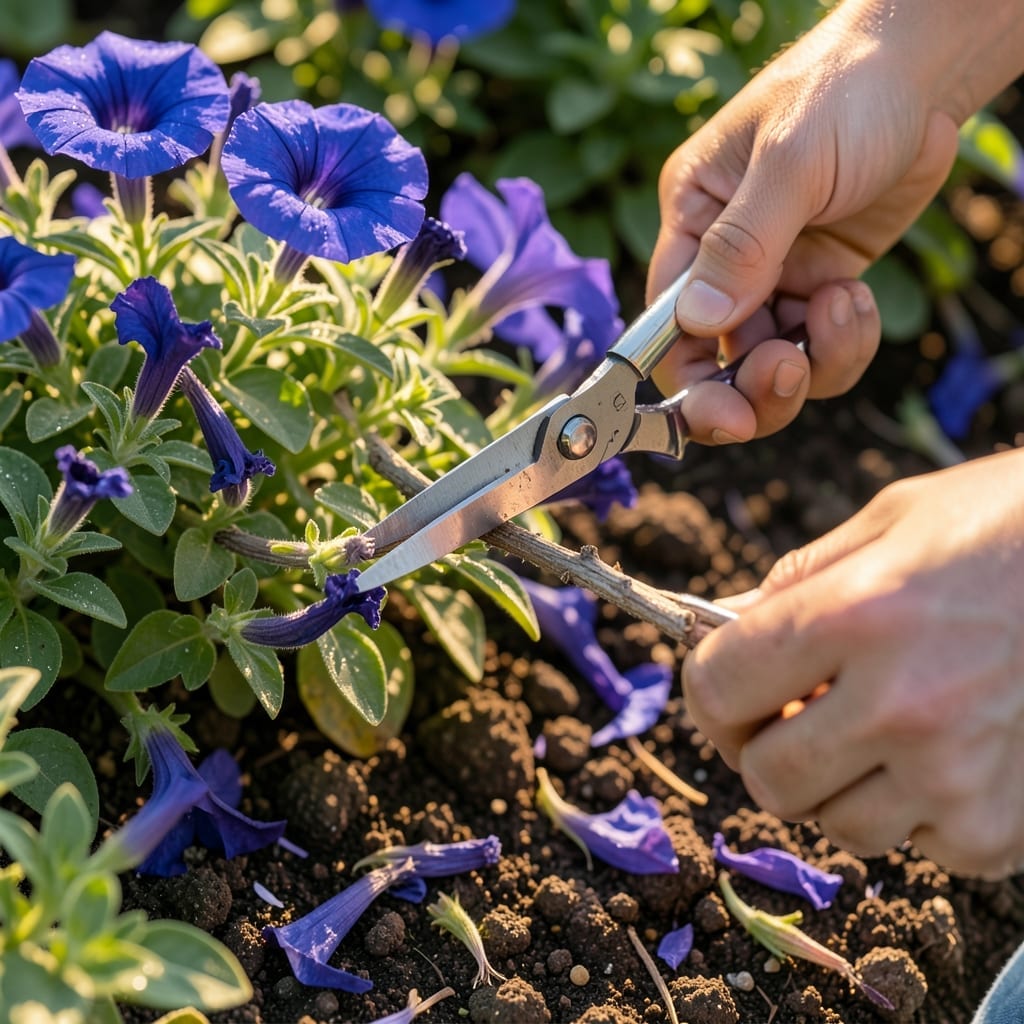
Stop your Blue Firefly Petunias from looking tired mid-season with strategic pruning. Regular deadheading removes spent blooms, redirecting energy to produce new flowers instead of seeds.
Use sharp shears to trim back leggy stems by one-third, focusing on areas with sparse foliage. This encourages bushier growth and more blooming sites. Always prune just above a leaf node to stimulate healthy branching.
This simple routine keeps your plants compact and floriferous, giving you vibrant color from spring to frost. Ideal for gardeners who want continuous beauty with minimal effort. 🌿
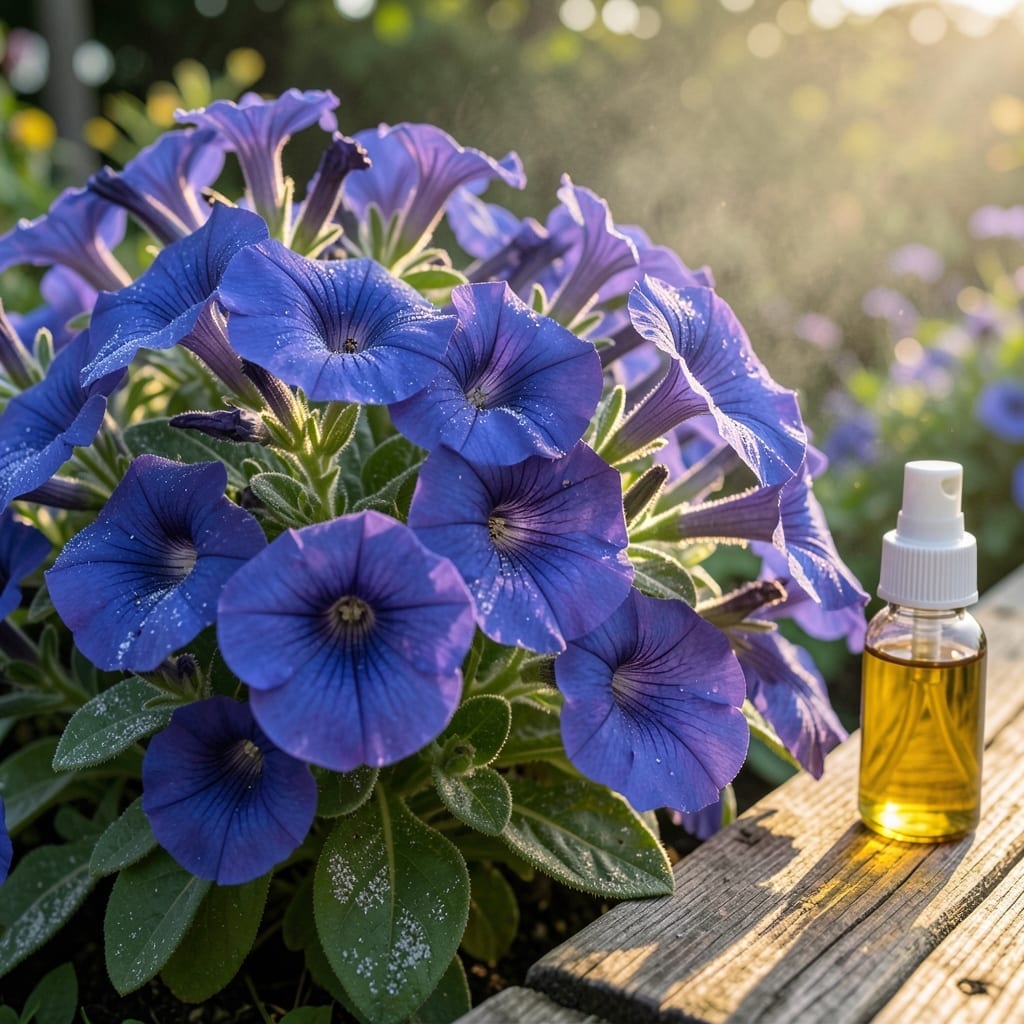
Don’t let pests or diseases dim the beauty of your Blue Firefly Petunias. These vibrant blooms attract aphids and can develop powdery mildew in humid conditions, but a few simple steps keep them thriving.
For organic control, spray neem oil weekly to deter pests and prevent fungal growth. Introduce ladybugs to naturally combat aphid infestations. If using chemicals, opt for insecticidal soap or fungicides labeled for petunias, applying in the early morning for best results.
These proactive measures ensure your petunias stay lush and disease-free, perfect for gardeners who want vibrant, pollinator-friendly displays. 🌿
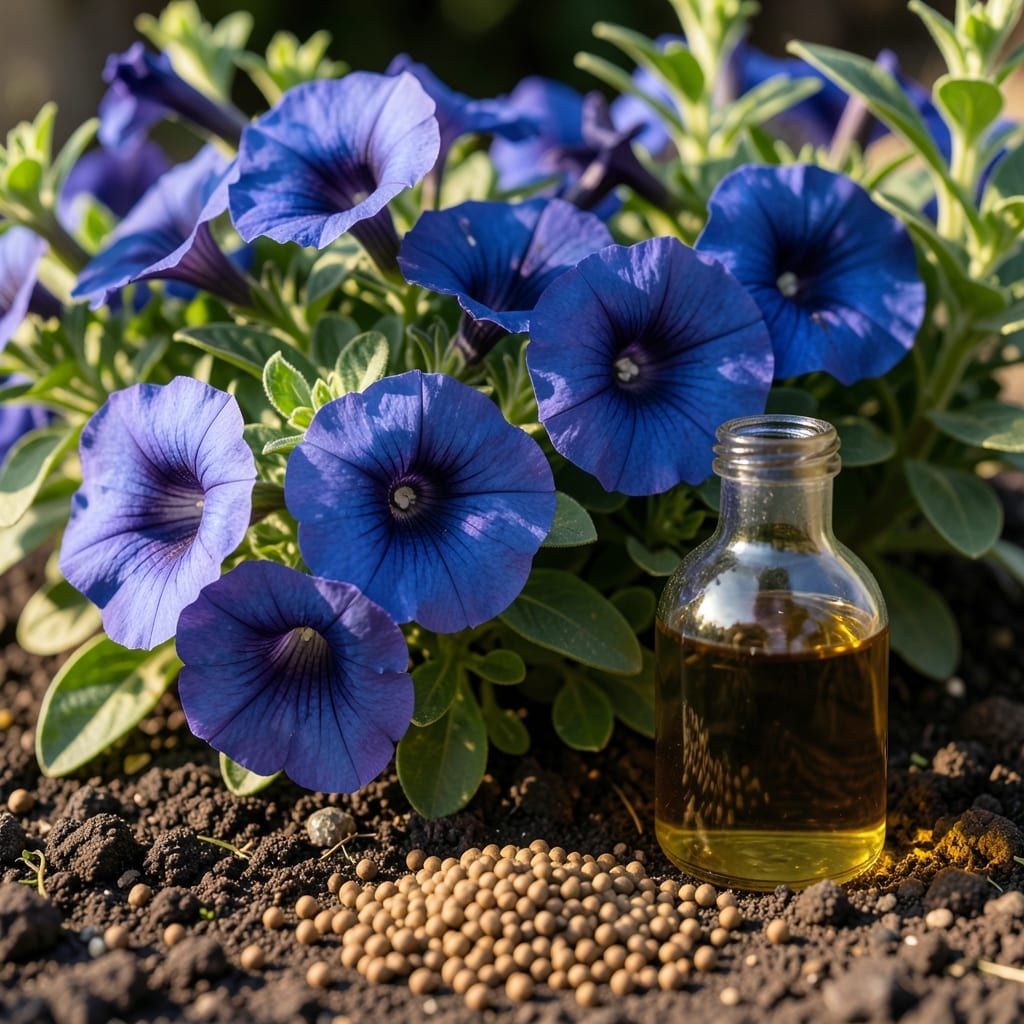
Want to deepen the vibrant blue of your Firefly Petunias? The right fertilizer makes all the difference in bloom intensity and plant health.
Use a balanced liquid fertilizer (10-10-10 or 12-12-12) every 2-3 weeks during the growing season for consistent color and vigor. Slow-release granular options work too—just mix into soil at planting and again mid-season. Avoid high-nitrogen formulas, which promote leafy growth at the expense of flowers.
This feeding routine keeps your petunias thriving with rich, deep color all summer long. Perfect for gardeners who want show-stopping blooms. 🌿
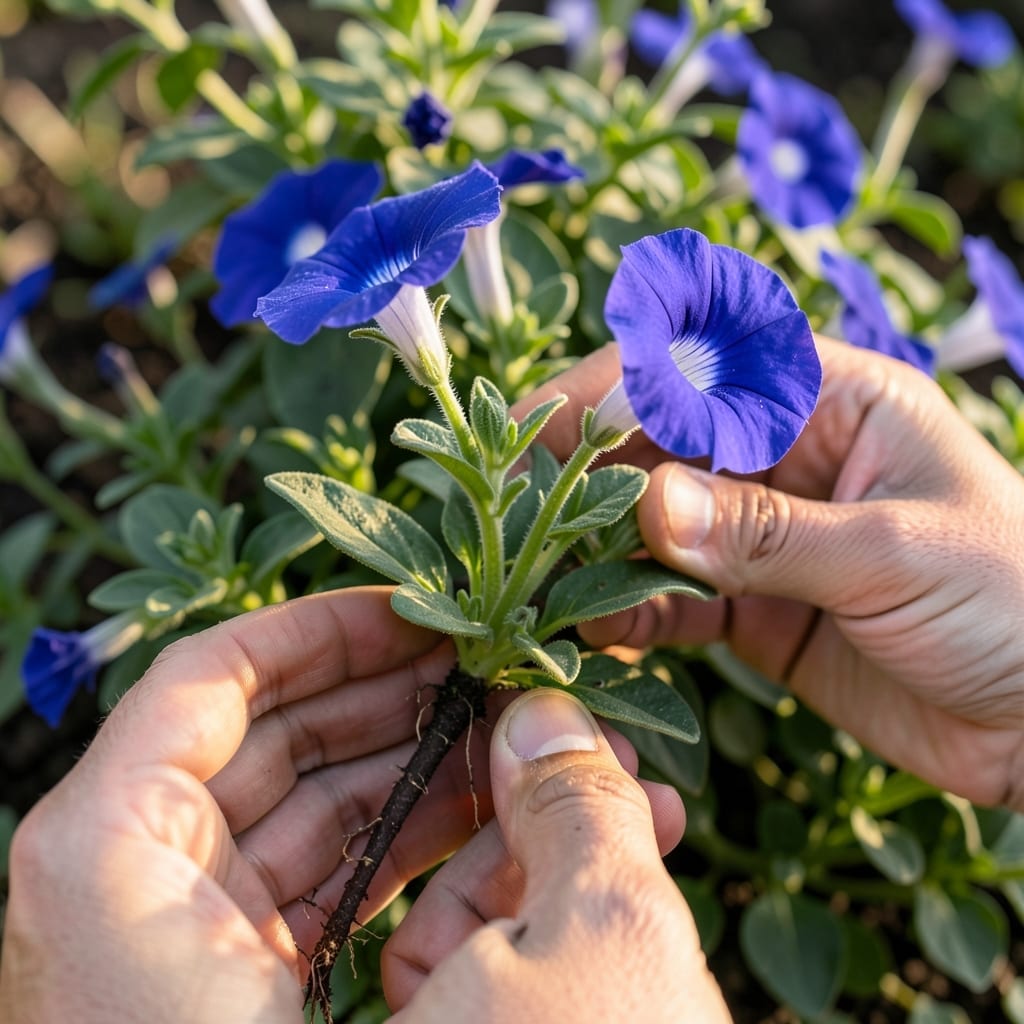
Skip buying new plants every season—propagating Blue Firefly Petunias from cuttings lets you multiply your favorites for free. This method preserves the parent plant’s vibrant color and trailing habit, giving you identical blooms without the cost.
Take 4-6 inch stem cuttings from healthy, non-flowering shoots, remove lower leaves, and place in water or moist potting mix. Roots typically form in 2-3 weeks, ready for transplanting once they reach an inch long.
This simple technique is perfect for gardeners who love sharing plants or filling containers with lush, color-matched displays. 🌱