
Beautiful Plants For Your Interior
Beautiful Plants For Your Interior
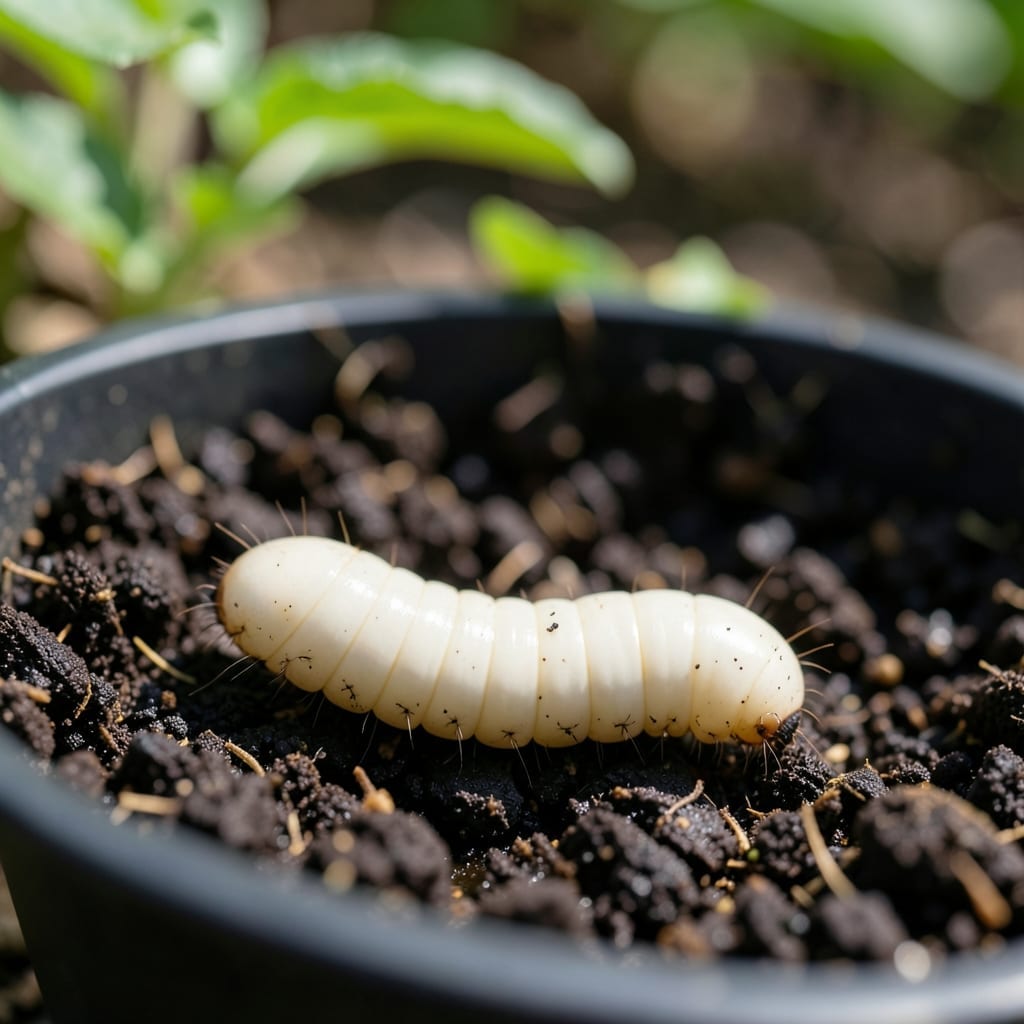
I turned my food scraps into garden gold without the stink. Black soldier fly larvae break down kitchen waste faster than traditional composting, and they don’t smell because they naturally suppress odors.
These little powerhouses consume 2-4 pounds of waste per day in a well-managed bin. They thrive in 80-90°F temperatures, turning scraps into nutrient-rich frass that plants love.
You’ll harvest dark, crumbly compost in 4-6 weeks, plus the larvae themselves make excellent chicken feed or fish food. The system is low-maintenance and perfect for small spaces.
No turning, no tedious monitoring—just feed them, let them work, and collect the results. It’s the most efficient way to recycle nutrients I’ve found.
Black soldier fly larvae (BSFL) thrive in compost bins due to specific environmental and biological conditions. Understanding these causes helps you manage or encourage their presence effectively.
BSFL are naturally attracted to nitrogen-rich, moist organic matter, such as food scraps, manure, or rotting vegetation. These materials provide the ideal protein source for larval development. A compost bin with a high carbon-to-nitrogen (C:N) imbalance (e.g., too many greens like fruit peels) accelerates decomposition, creating a warm, humid environment that signals BSFL to lay eggs nearby.
BSFL flourish in temperatures between 77–95°F (25–35°C). Compost bins in warm climates or those insulated by direct sunlight often maintain this range, making them prime breeding grounds. If your bin is too cold (below 50°F/10°C), larvae activity slows; if too hot (above 104°F/40°C), they may die off.
A lack of oxygen in a densely packed compost bin creates anaerobic conditions, which emit odors that attract female black soldier flies. While the larvae themselves don’t cause bad smells (they reduce them by outcompeting odor-causing microbes), a suffocating bin encourages their colonization as they tolerate low-oxygen zones better than many other decomposers.
Adult black soldier flies seek exposed organic waste to lay their eggs. An open or loosely covered compost bin provides easy access. Even small gaps in lids or mesh screens (larger than 1/4 inch) allow these agile fliers to enter. Once inside, they deposit 300–900 eggs near the surface, which hatch into larvae within 4 days under ideal conditions.
Even the best black soldier fly larvae compost bin can hit a snag. Here’s how to troubleshoot and keep your system humming.
If your bin smells like a dumpster, the larvae are likely drowning in excess moisture or starving for oxygen. Fix: Add dry bedding (shredded cardboard or coconut coir) and poke holes in the bin lid. Stir the contents daily to aerate. Prevention: Balance wet scraps (like fruit) with dry carbon sources (like leaves) from the start.
Larvae climbing the walls or fleeing? They’re stressed by heat, ammonia, or overcrowding. Fix: Reduce the bin’s temperature (move to shade) and add more bedding. Ensure the lid fits snugly, with only small ventilation gaps. Prevention: Keep the bin in a stable, cool spot and avoid overloading it with scraps.
If scraps aren’t disappearing, the larvae might be underfed or the bin too cold. Fix: Add smaller, softer scraps (avoid citrus or onions) and ensure the bin stays between 70–90°F. A small heat lamp can help in cooler climates. Prevention: Chop scraps into tiny pieces and feed larvae consistently, not in large, sporadic batches.
White or green mold? Too much moisture is the culprit. Fix: Remove moldy sections, add dry bedding, and expose the bin to sunlight for a few hours. Prevention: Always mix wet scraps with dry materials (like straw) to maintain balance.
Pro tip: 🎯 A healthy bin should smell earthy, not rotten. If problems persist, reduce the scrap load and give the larvae time to catch up!
They thrive on kitchen scraps like fruit, veggies, coffee grounds, and grains. Avoid meat, dairy, or oily foods. 1 pound of larvae can process 2-4 pounds of waste daily in ideal conditions.
No—they actually reduce odors by outcompeting pungent microbes. A well-managed bin should smell earthy, not rotten. Proper airflow prevents any lingering scents.
Use a ramp system: place a container with food scraps near the bin. The larvae will crawl out to feed and can be collected easily. Do this every 2-3 weeks for best results.
Yes! The remaining frass (larvae waste) is a nutrient-rich fertilizer. Mix it into soil or use as top dressing for plants. It’s packed with nitrogen, phosphorus, and potassium.