
Beautiful Plants For Your Interior
Beautiful Plants For Your Interior
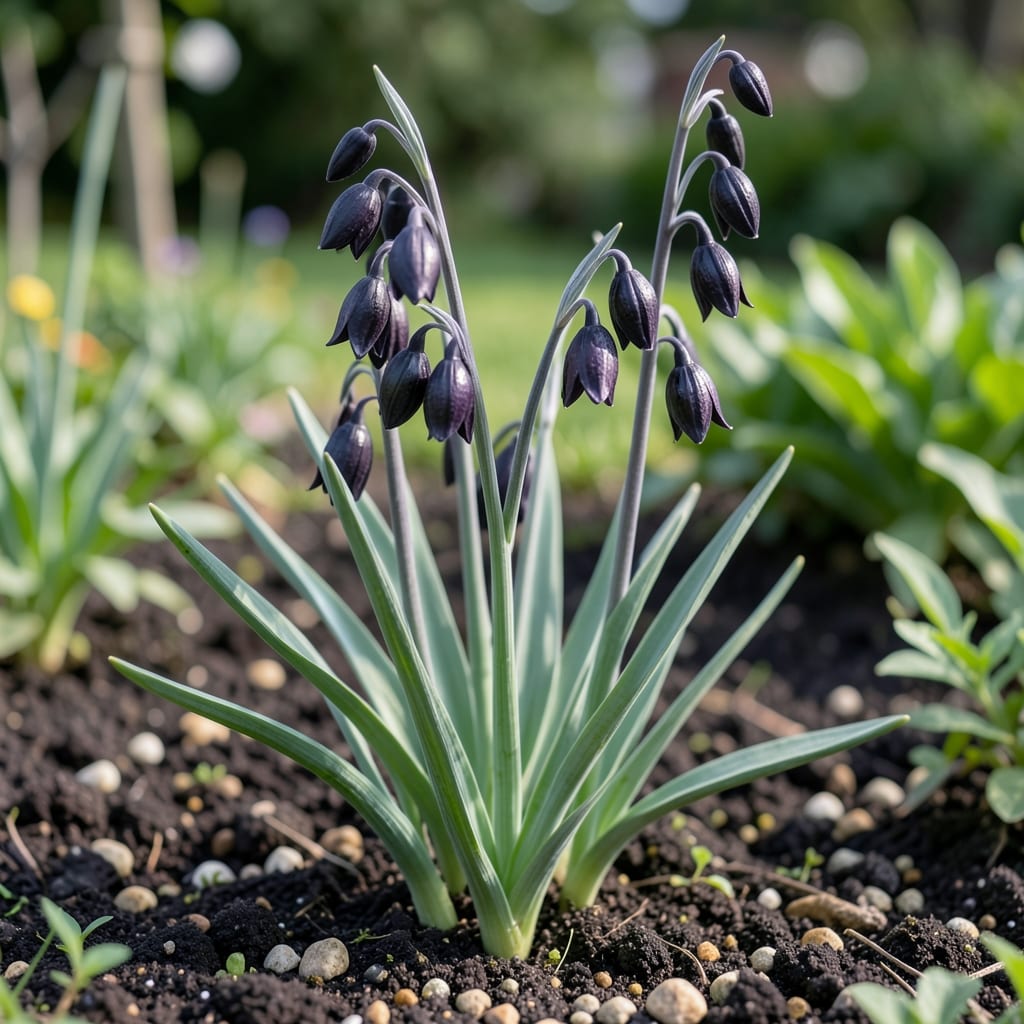
Black lilies symbolize mystery, elegance, and rebirth, often representing transformation and the unknown in various cultures. Their dark hue conveys power, sophistication, and sometimes farewell or the afterlife.
I’ve found that these flowers often appear in Gothic literature and funeral traditions as symbols of life’s cyclical nature. In Victorian times, they carried messages of deep respect or hidden emotions, adding layers of meaning beyond their striking appearance. Their rarity in nature makes them even more intriguing to gardeners and symbolists alike. ✨
💡 In This Article
In ancient Egyptian lore, black lilies were linked to the goddess Isis, symbolizing resurrection and the afterlife. Their deep color mirrored the fertile black soil of the Nile, representing life emerging from darkness. This connection to rebirth made them sacred in burial rituals.
Victorian England used black lilies in floral arrangements to convey silent messages. A single black lily often meant “farewell” or “I’m yours in secret,” while a bouquet combined with white lilies signified a transition between life and death. These codes allowed emotional expression in a restrained society.
Modern Japanese culture associates black lilies with final goodbyes. They’re frequently seen at funerals, where their dark petals symbolize the soul’s journey into the unknown. Unlike Western interpretations, this isn’t seen as ominous but rather as a natural part of existence’s cycle. 🌌
In contemporary art, black lilies appear in paintings and tattoos as symbols of inner strength. Their rarity in nature (true black lilies don’t exist—most are deep purple or maroon) adds to their mystique, representing the idea that true transformation requires embracing the unknown.
Gothic literature often features black lilies in scenes of magic or tragedy. Their dark hue absorbs light rather than reflecting it, creating a visual metaphor for the unseen forces that shape human experience. This light-absorbing quality makes them unique among flowers.
Across these diverse interpretations, the common thread is the lily’s representation of life’s hidden aspects. Whether in ancient rituals or modern symbolism, they remind us that darkness often precedes new beginnings, and that mystery is a natural part of existence. ✨
They often symbolize farewell and the soul’s journey. In many cultures, their dark hue represents the mystery of the afterlife and respect for the departed.
Ancient Egyptians linked them to resurrection, as their dark color mirrored the fertile Nile soil where life begins. This symbolism persists in modern interpretations of transformation.
No, true black lilies don’t exist naturally. Most are deep purple or maroon, like ‘Black Out’ or ‘Queen of Night’ varieties. Their rarity adds to their mystique.
In Gothic literature, they symbolize magic and tragedy. In art, they represent inner strength and the embrace of the unknown, often appearing in tattoos and paintings.
In Victorian times, they carried hidden meanings like “farewell” or “I’m yours in secret.” A single bloom often expressed deep emotions in a reserved society.