
Beautiful Plants For Your Interior
Beautiful Plants For Your Interior
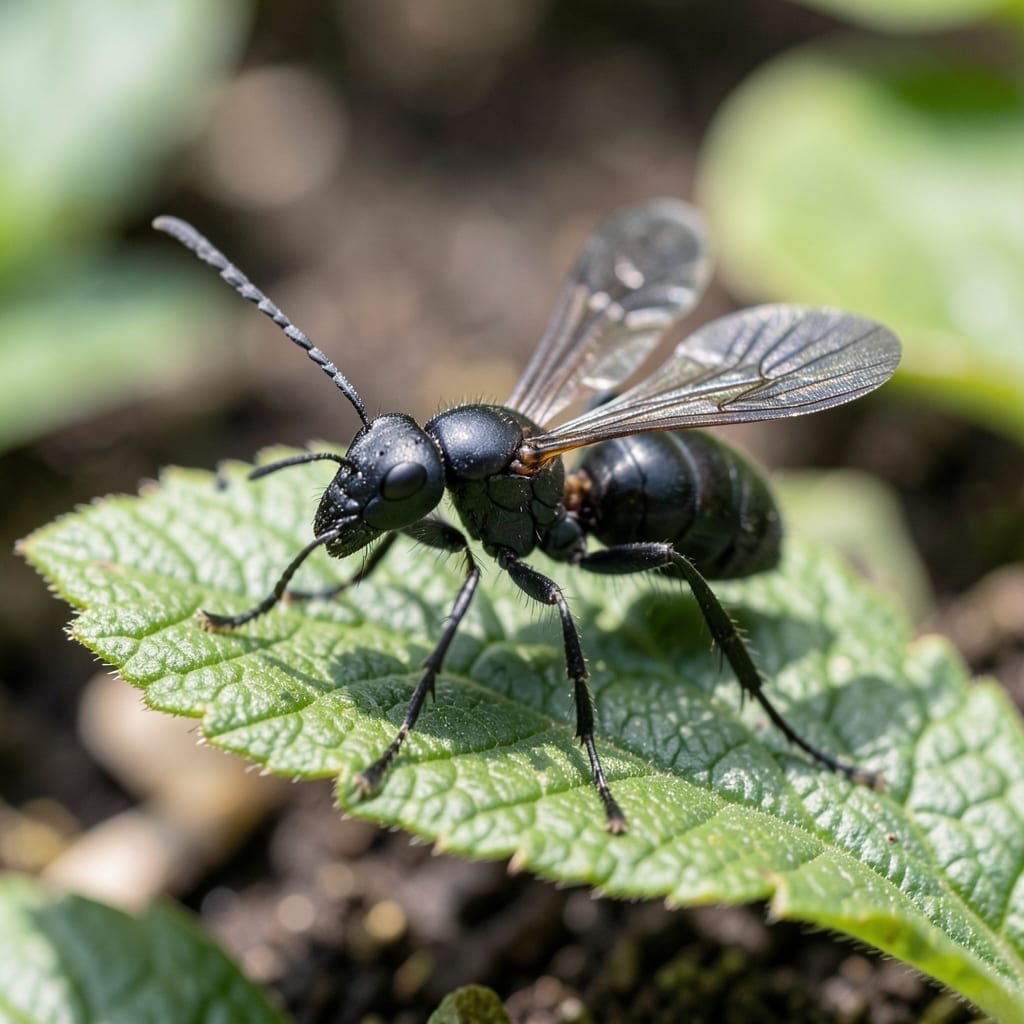
Spotting winged ants in your garden isn’t a cause for panic. I’ve seen these flying black ants appear every spring, and they’re actually a sign of a healthy colony preparing to expand.
These are reproductive ants during their nuptial flight phase, not a new pest invasion. They’ll shed their wings after mating and won’t cause plant damage. The real issue starts when they establish new colonies too close to your garden beds.
Natural control works best here. Diatomaceous earth creates a foolproof barrier, while soapy water sprays disrupt their trails. Prevention is simpler than you think.
Keep compost bins sealed and remove attractants like aphid honeydew. Your plants stay safe, and the garden ecosystem remains balanced.
Winged black garden ants, also known as Lasius niger, appear during specific environmental and biological conditions. This phenomenon is part of their reproductive cycle, known as the nuptial flight. Here’s why it happens:
Nuptial flights typically occur in summer, especially after rain, when temperatures rise above 70°F (21°C) and humidity is high. These conditions create ideal airflow for mating and dispersal. The warmth triggers pheromone release, signaling virgin queens and males to take flight simultaneously.
Colonies produce winged ants (alates) only when they’re 2–5 years old and have ample resources. Queens and males are raised specifically for reproduction. Once mature, they wait for the right environmental cues to emerge, ensuring the best chance for successful mating and new colony establishment.
Flying allows ants to mate outside their native colony, preventing inbreeding. Males die shortly after mating, while fertilized queens shed their wings, dig into soil, and start new colonies. This genetic mixing strengthens species resilience.
Dealing with winged black garden ants? Here’s how to tackle the issue effectively, whether they’re swarming indoors or outdoors.
If you spot flying ants inside, vacuum them up immediately to reduce their numbers. Seal cracks and gaps in windows, doors, and walls with caulk to prevent entry. For a natural fix, sprinkle diatomaceous earth along baseboards and entry points—it dehydrates ants on contact.
Prevention tip 💡: Store food in airtight containers and clean up spills promptly to avoid attracting them.
Locate the nest (often in soil or under paving stones) and pour boiling water directly into it for an instant, chemical-free solution. For larger colonies, use borax baits—mix equal parts borax and sugar with water, and place it near ant trails. The workers carry the bait back, eliminating the colony over time.
Prevention tip 🎯: Keep your garden tidy—remove leaf litter, woodpiles, and decaying plant matter where ants may nest.
Winged ants (alates) appear during nuptial flights, usually in warm, humid weather. Act quickly—set up pheromone traps or sticky barriers to catch them before they mate and establish new colonies.
Prevention tip ✨: Trim back vegetation touching your home’s exterior to reduce bridge access for flying ants.
This is their nuptial flight phase, where reproductive ants take flight to mate. It typically happens in warm, humid weather after rain, ensuring ideal conditions for dispersal.
No, these flying ants don’t harm plants directly. However, they may protect aphids for their honeydew, which can indirectly affect plant health.
Seal cracks, use diatomaceous earth at entry points, and keep food stored in airtight containers. Regular cleaning also removes attractants.
Black garden ants rarely bite humans, and their sting is very mild if it occurs. They’re more focused on mating than aggression.