
Beautiful Plants For Your Interior
Beautiful Plants For Your Interior
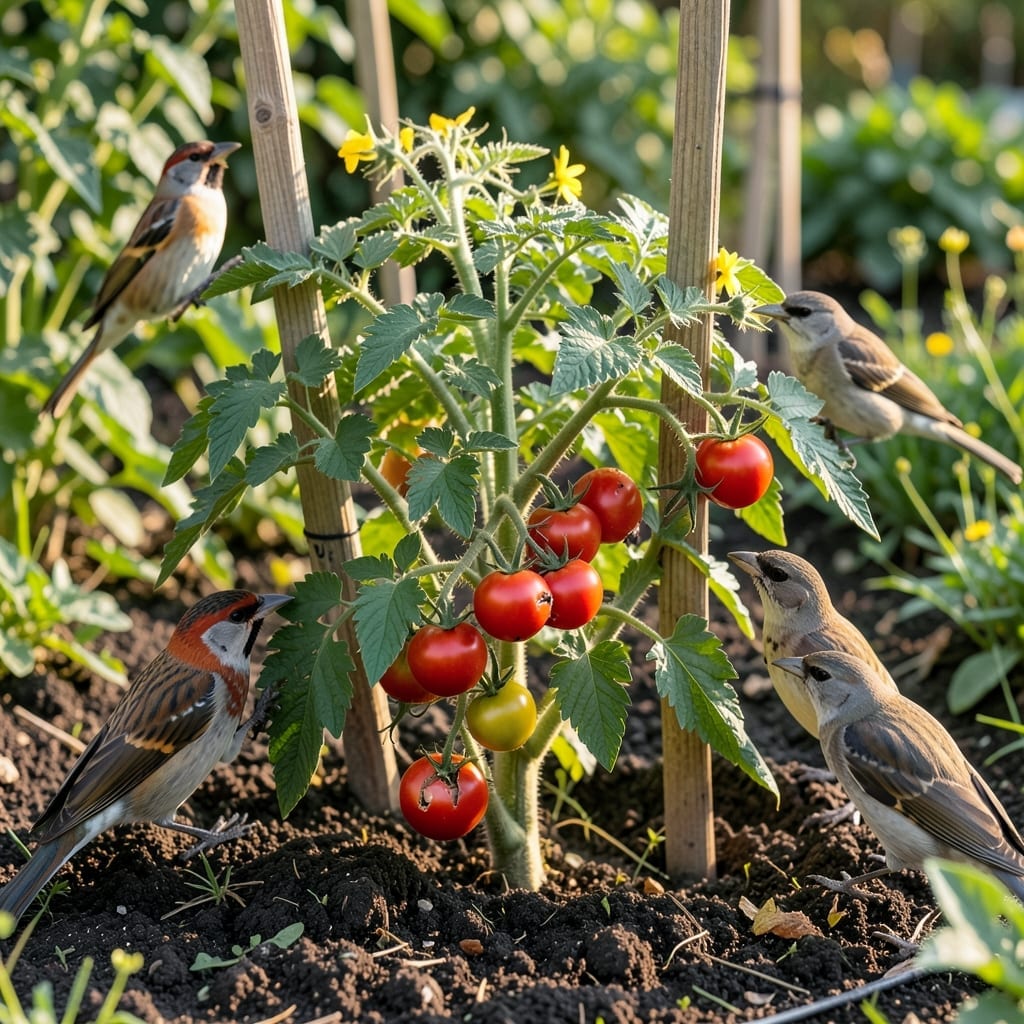
Nothing stings like watching ripe tomatoes vanish overnight. 🌱 I lost half my harvest to birds last season before realizing they were targeting the juiciest fruits first.
The solution isn’t war—it’s strategy. Simple barriers and distractions keep birds fed without sacrificing your crop. Netting works, but so do decoys and alternative food sources placed far from your plants.
You’ll protect your harvest while keeping feathered friends happy. The best part? These methods take 10 minutes to set up and last all season.
Works for any garden size, from containers to large plots. Here’s how to outsmart them.
Birds are naturally drawn to tomatoes for several biological and environmental reasons. Understanding these causes can help you address the issue more effectively.
Tomatoes are rich in sugars, vitamins, and moisture, making them an irresistible snack for many bird species. The high water content (about 95%) helps birds stay hydrated, while the natural sugars provide a quick energy boost. Species like robins, starlings, and blackbirds are particularly fond of the fruit’s sweetness.
Ripe tomatoes are soft and easy to peck, unlike harder fruits or seeds. Garden tomatoes, especially those left unprotected, offer a low-effort, high-reward food source. Birds can quickly consume or damage multiple fruits in a single visit, particularly if the plants are densely packed or low to the ground.
The bright red color of ripe tomatoes mimics natural berries and fruits birds seek in the wild. Additionally, the volatile organic compounds (VOCs) emitted by ripening tomatoes act as a scent signal, alerting birds to their presence from a distance. This combination of visual and olfactory cues makes tomatoes almost impossible to ignore.
Gardens often provide an ideal habitat for birds—offering shelter, nesting materials, and food. If your garden lacks alternative food sources (like berries or insects), birds will default to tomatoes as a primary option. Urban and suburban areas with limited natural foraging opportunities exacerbate this behavior.
Dealing with birds feasting on your tomatoes can be frustrating, but these practical solutions will help you protect your garden while keeping our feathered friends safe. Below are targeted fixes for common causes, along with tips to prevent future issues.
If birds are drawn to ripe, exposed fruit, use netting to create a physical barrier. Choose fine, bird-safe mesh (1-inch or smaller) and drape it loosely over plants, securing the edges to the ground. For a less obtrusive option, harvest tomatoes early—pick them when they start to blush and let them ripen indoors on a sunny windowsill.
Birds often perch on stakes, trellises, or nearby branches to scope out their next snack. Trim back overhanging branches and avoid using tall supports that double as bird perches. If stakes are necessary, add reflective tape or spinning pinwheels to deter birds from landing.
Prevention tip: 💡 Plant tomatoes away from trees or shrubs where birds nest or rest.
Offer birds a more appealing snack to steer them away from your tomatoes. Set up a bird feeder filled with seeds or fruits like berries in a far corner of the yard. Alternatively, hang old CDs or aluminum pie pans near the garden—their reflections and noise can startle birds. For a long-term fix, plant sacrificial crops like sunflowers or mulberries to divert their attention.
Spray a homemade deterrent of water, garlic, and chili powder on and around plants (reapply after rain). Birds dislike the smell and taste but won’t be harmed. Another option is predator decoys, like owl or hawk statues—move them every few days so birds don’t grow accustomed. For a tech-savvy approach, motion-activated sprinklers can startle birds without causing harm.
Prevention tip: ✨ Rotate deterrent methods every few weeks to keep birds guessing.
Bird netting is the most reliable method. Use 1-inch mesh and secure it tightly to prevent gaps. For best results, drape it over a frame rather than directly on plants.
Owl or hawk decoys can help, but birds adapt quickly. Move them every 2-3 days and combine with other deterrents like reflective tape for better success.
Properly installed netting won’t harm either. Use fine mesh and check daily for trapped birds. Ensure plants have enough space to grow without restriction.
Yes! Old CDs, aluminum pie pans, or wind chimes create noise and reflections. Hang them near plants and replace or reposition them weekly.