
Beautiful Plants For Your Interior
Beautiful Plants For Your Interior
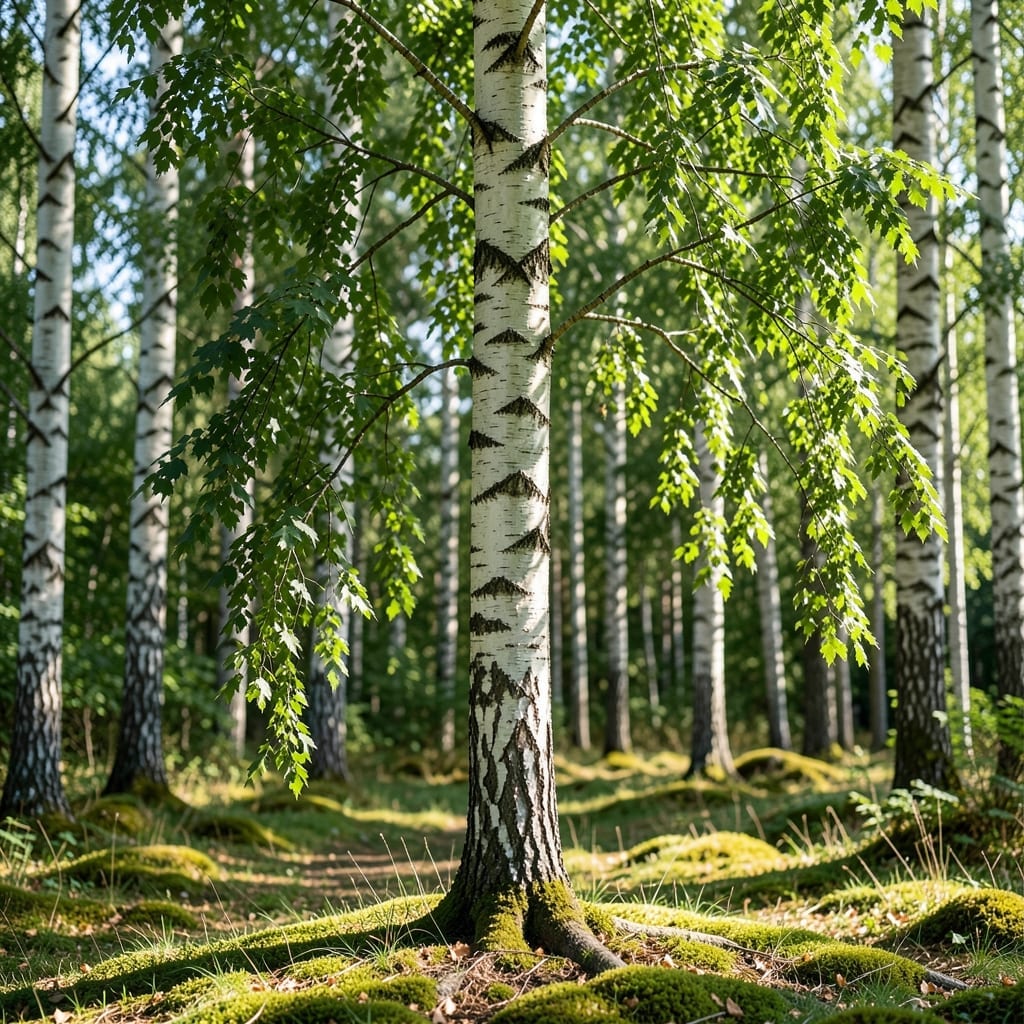
There’s something magical about watching a 🌳 Birch Tree reach for the sky, transforming your landscape with its graceful presence. Yet many gardeners don’t realize just how much these trees can vary in size.
From compact varieties perfect for small yards to towering specimens that command attention, the height range might surprise you. Understanding these differences is the key to choosing the right type for your space.
I’ve seen firsthand how proper planning prevents future headaches. Whether you’re dreaming of a cozy garden nook or a grand focal point, knowing what to expect helps you create the perfect setting.
Let me share what I’ve learned about these beautiful trees and how to make them thrive in your own backyard. You’ll discover exactly how tall they can grow and what influences their impressive height.

When planning your landscape, knowing the mature height of birch trees is crucial. These graceful trees can range from dwarf varieties at 10-15 feet to towering giants reaching 80 feet or more. The species you choose will dramatically impact your garden’s vertical space.
The most common types like white birch and paper birch typically grow between 50-70 feet tall. Meanwhile, river birch tends to stay slightly shorter at 40-60 feet. Each has unique growth patterns that I’ll explain further.
| Birch Species | Mature Height | Growth Notes |
| Paper Birch | 50-70 ft | Fast grower, iconic white bark |
| White Birch | 50-70 ft | Similar to paper birch, cold hardy |
| River Birch | 40-60 ft | Multi-trunk, peeling cinnamon bark |
| Gray Birch | 30-40 ft | Smaller stature, chalky-white bark |
| Dwarf Birch | 10-15 ft | Perfect for small gardens |
I’ve found that soil conditions can significantly affect these heights. Birches thrive in moist, well-drained soils and may stay smaller in poor conditions. The paper birch is particularly sensitive to urban pollution, which can stunt its growth.
The growth rate of birch trees is another important consideration. Most species grow 1-2 feet per year under ideal conditions. However, in their first few years, they may grow more slowly as they establish their root systems.
For those with limited space, dwarf birch varieties offer the same beautiful bark and foliage in a more manageable size. The dwarf white birch typically stays under 15 feet tall, making it perfect for smaller yards.
Climate plays a major role in determining final height. In their native northern climates, birches often reach their maximum potential. In warmer zones, they may grow 10-20% shorter than their listed mature height.
When planting, I recommend spacing standard birches at least 20-30 feet apart to accommodate their mature spread. For dwarf varieties, 8-10 feet of spacing is usually sufficient.
Remember that these height ranges are estimates. Individual trees may grow taller or shorter based on their specific growing conditions. Regular pruning can also help control the height of your birch trees.
In my experience, the best way to ensure your birch reaches its potential height is to match the species to your climate and soil conditions. With proper care, these trees can become stunning focal points in any landscape 🌳
If you’re wondering why your birch tree isn’t reaching its expected 40-70 ft height, several factors come into play. Soil quality and moisture levels are top influencers, as these trees thrive in well-drained, slightly acidic soil. 🌱
Next, consider sunlight exposure. Birch trees need 6+ hours of direct sun daily to maximize growth. Partial shade works, but expect a slower, shorter mature height. The climate zone also matters—most birches flourish in USDA zones 3-9. ☀️
Don’t overlook root competition. Planting near larger trees or structures can stunt a birch’s growth by limiting access to water and nutrients. I’ve seen river birches struggle in crowded spaces, barely reaching 20 ft instead of their 40-70 ft potential. 🌳
Another critical factor is pruning practices. While young trees benefit from formative pruning, over-pruning can delay height growth. Focus on removing dead or crossing branches to direct energy upward. ✂️
Finally, pests and diseases like birch borers or leaf spot fungi can weaken trees, limiting their height. Regular inspections and preventative care help maintain vigorous growth. Keep an eye out for yellowing leaves or bark damage. 🌿
By addressing these variables, you’ll create the ideal conditions for your birch to reach its full height potential. Remember, patience is key—some species take 20+ years to mature fully. With proper care, your tree will reward you with its iconic graceful stature and peeling bark. 🌳