
Beautiful Plants For Your Interior
Beautiful Plants For Your Interior
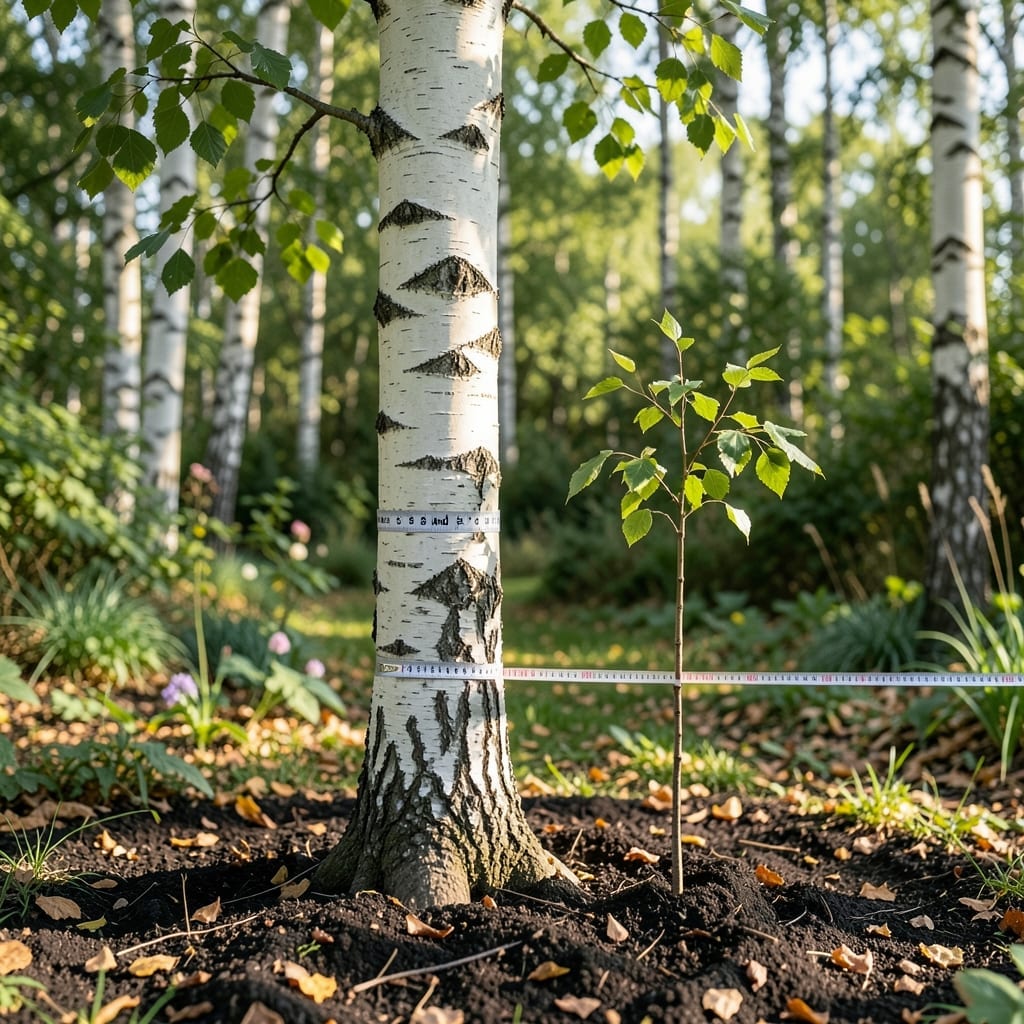
There’s something magical about watching a 🌳 Birch Tree transform your landscape, but many gardeners underestimate how quickly these beauties can grow. What starts as a slender sapling can surprise you with its rapid development.
If you’ve ever wondered how long it takes for a Birch Tree to reach its full, majestic height, you’re not alone. The growth timeline often catches people off guard, especially when they plant one expecting slow progress.
I’ll break down the typical year-by-year growth you can expect, along with the key factors that either speed up or slow down the process. Whether you’re planning a new garden or just curious, this will help you set realistic expectations.
Discover how to give your Birch Tree the best start for faster, healthier growth and enjoy its elegant presence sooner than you think.


I’ve found that birch trees can grow surprisingly fast, but their pace depends on several key factors. The soil type plays a huge role—these trees thrive in moist, well-drained conditions, while heavy clay can stunt their growth.
Another major influence is sunlight exposure. Birches prefer full sun to partial shade, with at least 6 hours of sunlight daily for optimal growth. Without enough light, they’ll grow more slowly and develop a sparse canopy.
| Factor | Impact on Growth |
|---|---|
| Soil Type | Moist, well-drained speeds growth |
| Sunlight | 6+ hours daily for best results |
| Water | Consistent moisture in early years |
| Climate | Cool climates (Zones 2-7) ideal |
| Species | Paper Birch faster than Weeping Birch |
Water availability is especially critical during the first few years. Young birches need consistent moisture to establish strong root systems. Once mature, they’re more drought-tolerant but still grow best with regular watering.
The climate in your region also matters. Birches are hardy in USDA Zones 2-7 and grow most vigorously in cooler climates. In warmer areas, they may struggle unless given afternoon shade to protect from heat stress.
Don’t overlook the species difference. For example, Paper Birch tends to grow faster than Weeping Birch. If you want quick results, choosing a naturally faster-growing variety can make a big difference.
I always recommend testing your soil pH before planting. Birches prefer slightly acidic to neutral soil (pH 5.0-7.0). If your soil is too alkaline, amending it with organic matter can improve growth rates significantly.
Proper spacing is another often overlooked factor. Crowded birches compete for nutrients and water, which slows their growth. Give them at least 20-30 feet of space to reach their full potential.
Finally, seasonal care impacts long-term growth. Applying a balanced fertilizer in early spring and keeping the area free of weeds helps your birch tree grow at its maximum rate. I’ve seen dramatic differences in trees that receive this care versus those that don’t.
In my experience, birches that get the right combination of sunlight, water, and soil conditions can add 2-3 feet of height per year during their peak growth phase. It’s incredibly rewarding to watch them transform your landscape.
🌳Watching a birch tree grow is like seeing nature’s artistry in fast-forward. Most gardeners are amazed by how quickly these trees establish themselves in the landscape.
In the first year, expect your birch sapling to reach 3-5 feet under ideal conditions. This rapid start sets the tone for its development, making it a rewarding choice for impatient gardeners.
By year three, your birch will likely stand 15-20 feet tall, with its iconic white bark becoming more pronounced. This is when the tree starts to truly shine in your garden.
The most dramatic growth occurs in the first five years, when birches can add 2-3 feet annually. After this period, growth slows slightly but continues steadily.
Remember that species matters—Paper Birch tends to grow faster than River Birch in the early years. Always check the specific variety’s expected mature height.
With proper care, including consistent watering and full sun exposure, you’ll be amazed at how quickly your birch transforms from a sapling to a striking landscape feature 🌳