
Beautiful Plants For Your Interior
Beautiful Plants For Your Interior
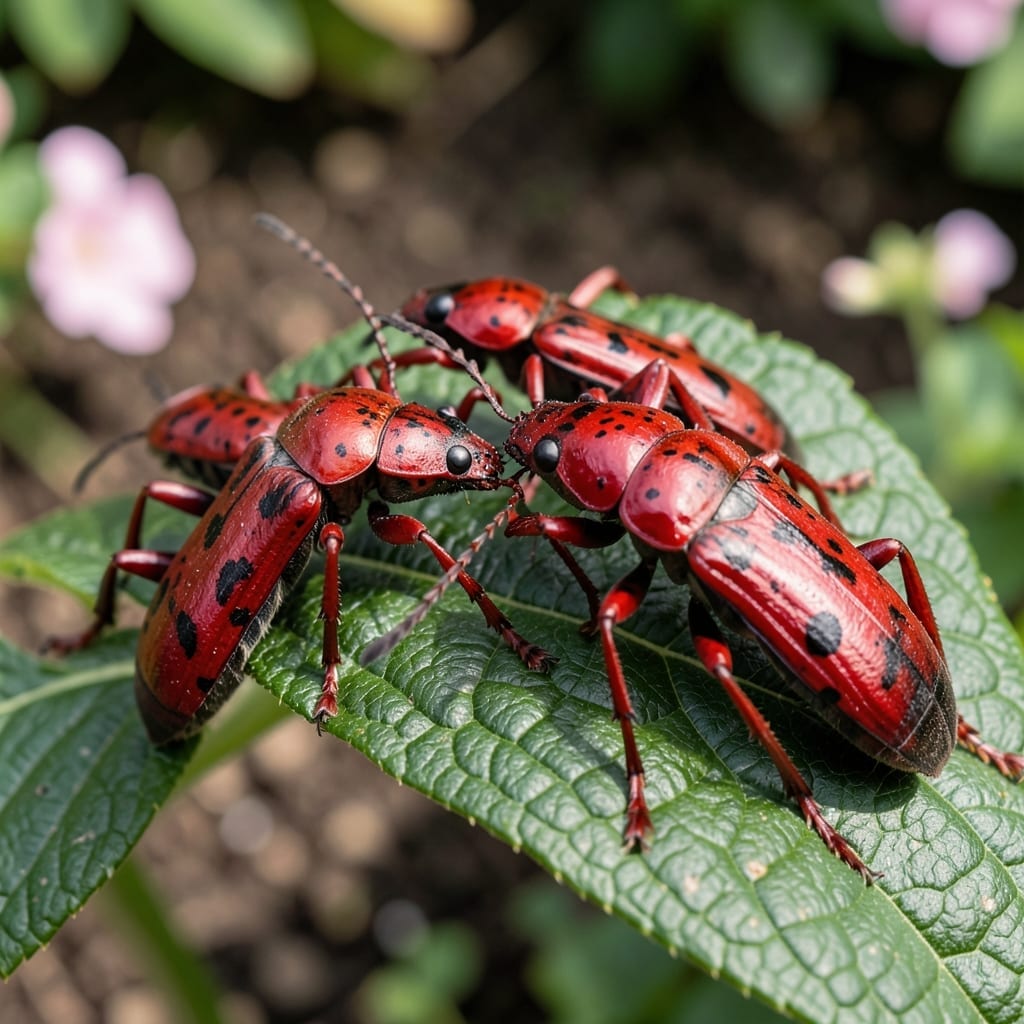
Big red bugs in your garden? I spotted my first cluster last summer and panicked until I learned most are harmless—just annoying. The key is knowing which ones threaten your plants.
Milkweed bugs, boxelder bugs, and others look alarming but rarely cause serious damage. Still, you don’t want them taking over. A few simple steps can keep them from spreading.
Natural solutions like soapy water or neem oil work wonders. For heavy infestations, targeted sprays can help—but prevention saves the most headaches.
Check plants regularly, remove eggs, and seal entry points. A little vigilance keeps your garden thriving without the creepy-crawly surprise.
The sudden appearance of large, crimson insects in your home or garden is rarely random. These pests thrive under specific conditions, often tied to environmental, biological, or human-related factors. Below are the primary causes, explained with actionable insights to help you address the root of the problem.
Many big red bugs, such as boxelder bugs or milkweed bugs, are attracted to warm, moist environments. They seek out areas with temperatures between 70–90°F (21–32°C) and high humidity, which accelerates their reproduction. Action: Use dehumidifiers indoors and ensure proper ventilation in crawl spaces or basements. Outdoors, trim dense vegetation to reduce shaded, damp zones.
These bugs often infest areas rich in their preferred food. Boxelder bugs feed on seed-bearing boxelder trees, while red shouldered bugs target gardens with ripe fruits or seeds. Action: Remove seed pods, fallen fruits, or overripe vegetation from your yard. Store pet food and birdseed in sealed containers to avoid attracting them indoors.
As temperatures drop, big red bugs seek shelter to overwinter. Cracks in window frames, gaps under doors, or damaged screens provide easy access. Action: Seal entry points with caulk or weather stripping. Install fine mesh screens on vents and windows, and check for gaps around utility lines or pipes.
Natural predators like birds, spiders, or parasitic wasps help control populations. Urban or heavily pesticided areas often lack these checks, allowing infestations to grow unchecked. Action: Encourage biodiversity by planting native flora and reducing broad-spectrum pesticide use. Consider introducing beneficial insects like ladybugs or lacewings.
Dealing with these pests starts with identifying the root cause and applying targeted fixes. Below are practical solutions for common scenarios, along with prevention tips to keep them from returning.
Trim bushes, trees, and tall grass touching your home’s exterior. These pests use foliage as highways to sneak inside. Fix: Create a 20-foot vegetation-free zone around your foundation. Use a trimmer or pruning shears for quick results.
Prevention tip: 🌿 Schedule monthly yard maintenance to disrupt their access routes.
Open food containers, pet bowls, and leaky pipes are like a buffet for these critters. Fix: Store food in airtight containers, clean up spills immediately, and repair plumbing leaks. Wipe down counters with vinegar to remove scent trails.
Prevention tip: 💡 Take out trash regularly and use bins with tight-sealing lids.
Even tiny openings can invite an infestation. Fix: Seal gaps with caulk or steel wool, focusing on areas around pipes, vents, and window frames. For larger holes, use expandable foam.
Prevention tip: ✨ Inspect your home’s exterior seasonally for new entry points.
Piles of paper, cardboard, or fabric give these bugs plenty of places to hide and breed. Fix: Declutter storage areas, especially basements and attics. Opt for plastic bins over cardboard boxes.
Prevention tip: 🎯 Keep storage areas dry and well-ventilated to discourage nesting.
For a quick, chemical-free solution, use diatomaceous earth or essential oils like peppermint or tea tree. Fix: Sprinkle diatomaceous earth along baseboards and entry points, or mix 10 drops of essential oil with water in a spray bottle and apply to problem areas.
Prevention tip: 🌡️ Reapply natural repellents every few weeks or after cleaning.
Most are harmless but can damage plants in large numbers. Milkweed bugs may weaken milkweed, while boxelder bugs rarely harm trees.
They seek shelter when temperatures drop, entering through cracks or gaps. Sealing entry points before fall helps prevent this.
Soapy water or neem oil sprays work well. Vacuum them up indoors, but empty the bag immediately to avoid escape.
Most don’t bite humans, but some may release a foul odor when crushed. They’re not known to transmit diseases.