
Beautiful Plants For Your Interior
Beautiful Plants For Your Interior
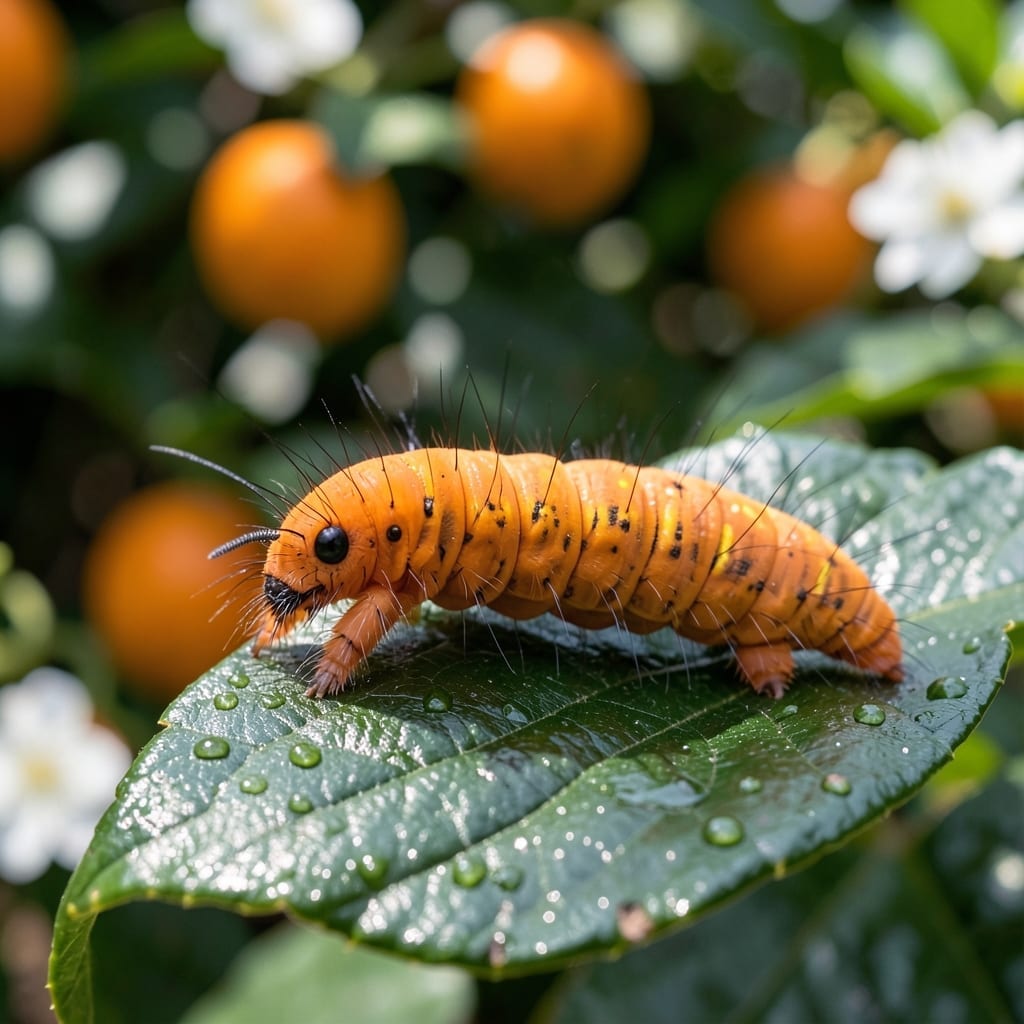
That bright orange caterpillar munching your milkweed isn’t always a friend to monarchs. I’ve watched gardens overrun when these imposters take hold, and the damage adds up fast.
They target milkweed, parsley, and carrots, stripping leaves overnight. The key is knowing which ones harm monarch populations and which don’t. Organic solutions exist that protect both your plants and pollinators.
Hand-picking works for small infestations, but larger ones need targeted sprays. Prevention starts with plant diversity and regular inspection before they multiply.
With the right approach, you’ll restore balance without chemicals. Your garden can thrive while keeping monarchs safe.
Understanding why big orange caterpillars appear in your garden is the first step toward eco-friendly management. These vibrant larvae often belong to species like the Monarch butterfly or woolly bear, but their presence can also signal ecological imbalances. Below are the primary reasons they thrive—and how to address them.
Big orange caterpillars, such as Monarch larvae, flourish when their host plants—like milkweed for Monarchs—grow uncontrollably. Milkweed is essential for Monarch survival, but an excess can lead to caterpillar overpopulation. Action: Balance milkweed growth by pruning or introducing natural predators like parasitic wasps.
When gardens lack biodiversity, caterpillar populations can explode. Predators such as birds, spiders, and beneficial insects (e.g., ladybugs) help keep numbers in check. Action: Plant native flowers to attract predator species and avoid broad-spectrum pesticides that harm them.
Warmer temperatures and extended growing seasons allow caterpillars to breed more frequently. Climate change can also expand their habitats. Action: Monitor seasonal trends and adjust gardening practices, like removing eggs manually in early spring to prevent outbreaks.
By targeting these root causes, you can manage caterpillar populations while preserving the ecosystem.
If you’ve spotted a big orange caterpillar in your garden, don’t panic—there are safe, eco-friendly ways to manage the situation without harming monarch butterflies or other beneficial insects. Here’s how to tackle the issue effectively:
For small infestations, the simplest solution is manual removal. Wear gloves and gently pick off the caterpillars, relocating them to a less problematic area or a designated habitat where they won’t harm your plants. Drop them into a bucket of soapy water if eradication is necessary, but avoid crushing them, as this can attract more pests.
Encourage natural predators like birds, parasitic wasps, or lacewings to your garden. Install bird feeders or plant native flowers to attract these helpers. A diverse ecosystem will keep caterpillar populations in check naturally.
Prevention tip: 💡 Avoid broad-spectrum pesticides, which can kill off these beneficial predators along with the pests.
Use organic, targeted sprays like Bacillus thuringiensis (Bt), a natural bacteria that disrupts the digestive systems of caterpillars without harming other insects or plants. Apply it in the early morning or late evening for best results, and reapply after rain.
Prevention tip: 🌡️ Always test sprays on a small area of your plants first to ensure they won’t cause damage.
Prevent future issues by planting caterpillar-resistant varieties or companion plants that repel them, such as marigolds, garlic, or mint. Rotate crops yearly to disrupt the life cycle of pests.
Prevention tip: ✨ Keep your garden clean—remove fallen leaves and debris where caterpillars might hide or lay eggs.
Yes, most are harmless, but some may cause skin irritation. Always wear gloves when handling. Monarch caterpillars are completely safe, but avoid touching hairy species like the woolly bear.
Monarch caterpillars have black, white, and yellow stripes with antennae-like tentacles. Pest caterpillars often lack these markings. When in doubt, check their host plant—monarchs only eat milkweed.
They typically target specific plants like milkweed, parsley, or carrots. Early removal prevents widespread damage. Rotate crops and diversify plants to minimize risk.
Early morning or late evening is ideal, as they’re less active. Check plants daily during peak season to catch them young before they cause significant harm.