
Beautiful Plants For Your Interior
Beautiful Plants For Your Interior
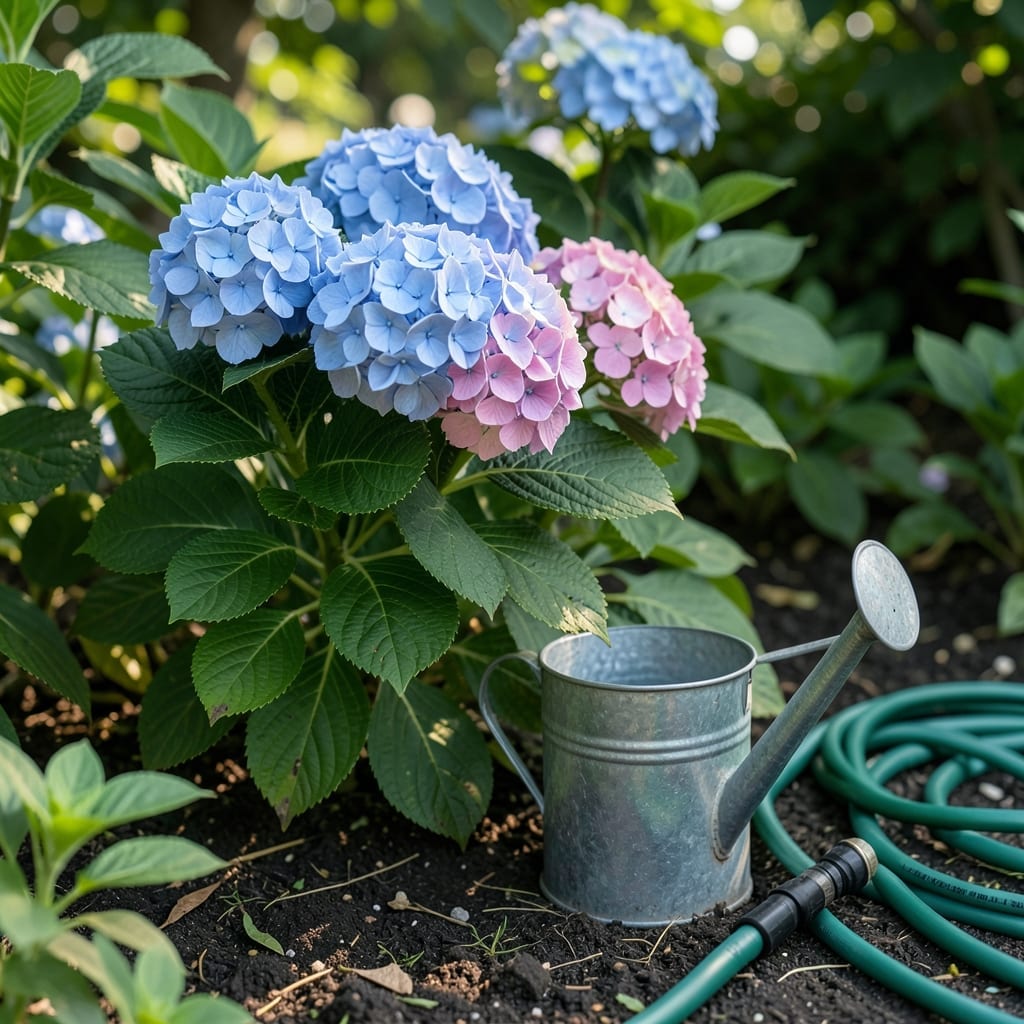
There’s nothing more disappointing than watching your 🌸 Hydrangea’s vibrant blooms droop because of improper watering. I’ve been there, and it taught me that the difference between lackluster shrubs and show-stopping flowers often comes down to technique.
What if I told you that most gardeners are watering their Hydrangeas the wrong way? The truth is, these plants thrive when you focus on the roots, not the leaves.
Through years of trial and error in zone 6a, I’ve discovered the game-changer for keeping Hydrangeas lush and blooming. It’s all about delivering water where it counts most.
Let me walk you through the simple but effective approach that transformed my garden. You’ll see the difference in just a few weeks.
I’ve found that deep watering transforms hydrangeas from struggling shrubs into vibrant bloomers. Shallow watering only wets the surface, leaving roots thirsty and weak. Deep soaking encourages roots to grow downward, building drought resistance and stability. 🌸
With deep watering, I ensure moisture reaches the root zone—typically 8-12 inches deep. This method prevents surface evaporation and keeps the plant hydrated longer. It’s the key to bigger, healthier blooms that last through the season.
| Requirement | Specification |
|---|---|
| Root Depth | 8-12 inches |
| Water Amount | 1-1.5 gallons per plant |
| Frequency | Weekly (adjust for weather) |
| Best Time | Early morning |
I avoid overhead watering because it wets the leaves, inviting fungal diseases like powdery mildew. Instead, I use a soaker hose or drip irrigation to deliver water directly to the soil level. This keeps foliage dry and healthy. 🌿
Shallow watering creates weak, surface-level roots that can’t support large hydrangea blooms. Deep watering, on the other hand, trains roots to grow deeper, accessing moisture and nutrients more effectively. This leads to stronger, more resilient plants.
I’ve noticed that hydrangeas in well-draining soil need more frequent deep watering, while those in clay soil may require less. Always check the soil moisture before watering—stick your finger 2-3 inches into the soil. If it’s dry, it’s time to water. 💧
For newly planted hydrangeas, I deep water 2-3 times per week for the first month. This helps establish the root system. Once established, I reduce it to once a week, adjusting for rainfall and heat. Consistency is key to thriving hydrangeas.
I also mulch around the base with 2-3 inches of organic mulch to retain moisture. This reduces the need for frequent watering and keeps the root zone cool. Just be sure to keep mulch a few inches away from the plant stem to prevent rot.
In hot summer months, I increase watering to 2-3 times per week. Hydrangeas are thirsty plants, especially in extreme heat. A deep soak in the early morning ensures they have enough moisture to survive the day.
By following these deep watering practices, I’ve seen my hydrangeas produce larger, more colorful blooms year after year. It’s a simple technique, but it makes all the difference in the health and beauty of these garden favorites. 🌸
For vibrant hydrangea blooms, I always start by watering deeply at the base to encourage strong root growth. This method ensures moisture reaches the root zone where it’s needed most. Shallow watering only wets the surface, leaving roots thirsty.
Avoid overhead watering—it can lead to fungal diseases like powdery mildew. Instead, use a soaker hose or drip irrigation to deliver water directly to the soil. This keeps foliage dry and healthy.
I recommend watering early in the morning—before 10 AM—to give plants time to absorb moisture before the heat of the day. This also reduces the risk of evaporation loss and keeps leaves dry.
If your hydrangeas wilt between waterings, they might need more frequent sessions, especially in hot climates. Bigleaf hydrangeas are particularly thirsty, so adjust based on your variety.
For potted hydrangeas, water every 5-7 days since containers dry out faster. In-ground plants can often go 10-14 days between deep waterings, depending on rainfall.
Finally, watch for yellowing leaves or mushy stems—these are signs of overwatering. If the soil feels soggy, hold off on watering until it dries slightly.
🌸