
Beautiful Plants For Your Interior
Beautiful Plants For Your Interior
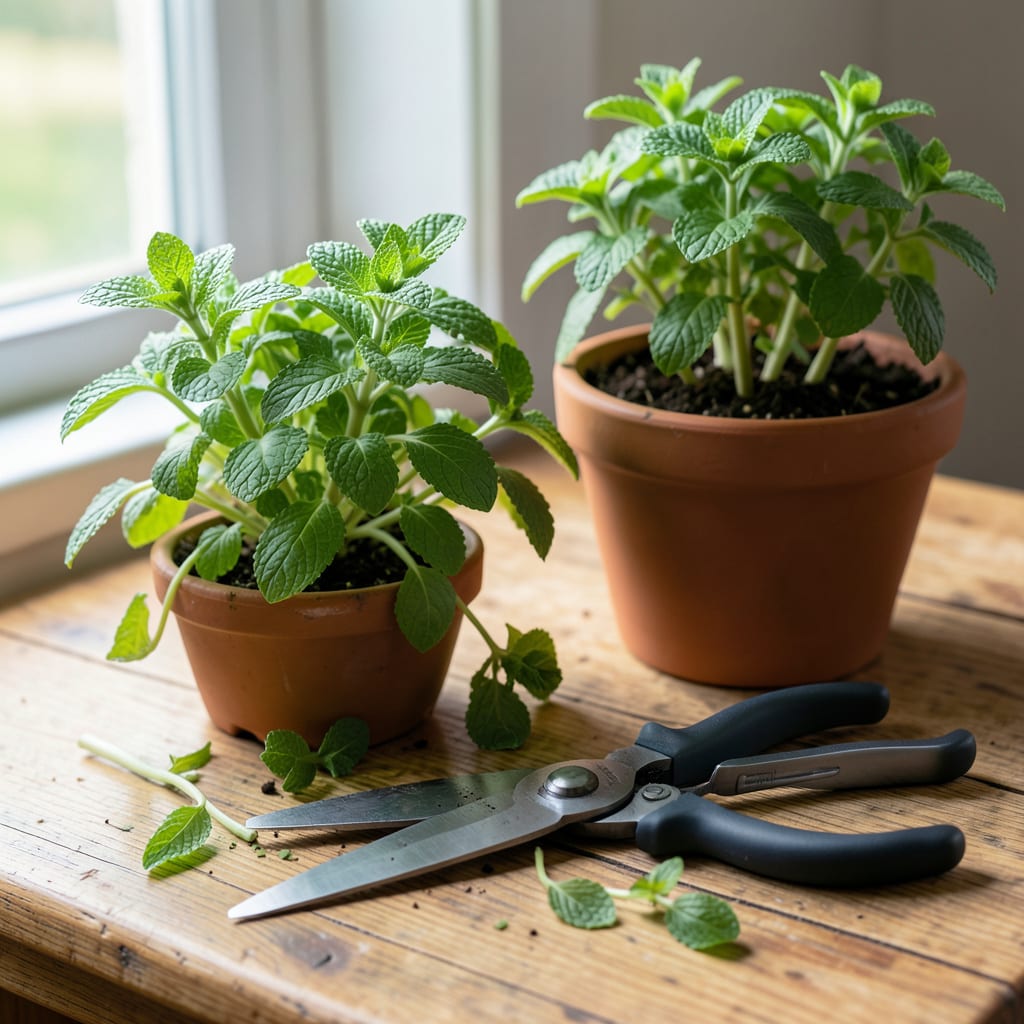
I used to struggle with harvesting 🌿 Mint at the right time, often ending up with wilted leaves and weak stems. Then I discovered the simple secrets to getting it right every time.
Now, I want to share those techniques with you. Learn how to pick Mint for maximum flavor and healthy regrowth, so your plants thrive all season long.


I’ve found that timing is everything when it comes to harvesting mint. The best time of day is early morning after the dew dries but before the sun gets too hot. This is when the essential oils are most concentrated.
Your mint plant should be at least 6-8 inches tall with sturdy stems and vibrant green leaves before you start harvesting. If the stems are weak or the leaves look pale, it’s not ready yet.
I always recommend using sharp scissors or pruning shears for a clean cut. This prevents tearing the stems, which can lead to disease. Make your cut just above a leaf node to encourage bushier growth.
Never harvest more than one-third of your mint plant at a time. This gives the plant enough foliage to continue photosynthesizing and growing. I learned this the hard way when I over-harvested and stunted my plant’s growth.
Regular harvesting actually stimulates more growth. If you notice flower buds forming, it’s time to harvest. Once mint flowers, the leaves can become bitter. I like to check my plants every 7-10 days during peak growing season.
For the healthiest plants, harvest in the active growing season, typically from June to October. In hotter climates, you might need to harvest more frequently to prevent the plant from going to seed too quickly.
The signs of readiness are clear: firm stems, dark green leaves, and that unmistakable minty aroma when you crush a leaf. If your plant isn’t showing these signs, give it more time to mature.
I’ve also found that consistent harvesting leads to a more abundant supply. The more you harvest properly, the more your plant will produce. It’s a rewarding cycle that keeps your garden thriving.
Remember, the key to maximum flavor and healthy regrowth is in the timing and technique. With these tips, you’ll enjoy fresh, flavorful mint all season long.
🌿I’ve discovered that the right technique makes all the difference when harvesting mint. Using clean, sharp tools prevents stem damage and reduces the risk of disease spreading to your plant.
Always make your cuts just above a leaf node—this is where new growth will sprout. It’s the secret to keeping your mint plant bushy and productive throughout the season.
💡 Pro Tip: Harvest regularly but never remove more than 1/3 of the plant at once to ensure continuous growth and prevent stress.
I make it a habit to inspect my mint every week during the growing season. If I see flower buds forming, I harvest immediately. Once mint flowers, the leaves can turn bitter, and the plant shifts its energy to seed production.
For healthier regrowth, avoid tearing the stems by hand. Instead, use pruning shears or sharp scissors for a clean cut. This small step helps your plant recover faster and reduces the risk of infection.
Another trick I swear by is harvesting in small batches. Instead of taking a large amount at once, I pick a little every few days. This keeps the plant actively growing and ensures a steady supply of fresh leaves.
If your mint plant starts looking leggy, it might need a trim. I prune mine back by about one-third every month to encourage bushier growth and prevent it from becoming too woody at the base.
🌿After harvesting your mint, proper storage is key to maintaining its fresh flavor and aromatic qualities. I always start by gently rinsing the leaves to remove any dirt or debris.
For short-term storage, wrap the stems in a damp paper towel and place them in a sealed container in the fridge. This keeps them fresh for about 5-7 days.
For long-term storage, drying is my go-to method. I bundle 5-6 stems together and hang them upside down in a dark, well-ventilated area. This preserves the leaves for months.
Freezing is another great option. I spread the leaves on a baking sheet, freeze them, then transfer to an airtight container. This locks in the flavor for up to 6 months.
Remember, the key to successful preservation is acting quickly after harvest. The sooner you store your mint, the better it will retain its fresh-picked quality and vibrant flavor. 🌿
Early morning after dew dries but before heat sets in. This is when essential oils peak for maximum flavor.
Never remove more than 1/3 of the plant at a time. This ensures enough foliage remains for healthy regrowth.
Snip just above a leaf node with clean scissors. This encourages bushier growth from the cut point.
Harvest immediately when you see buds forming. Flowering makes leaves bitter as the plant focuses energy on seeds.
