
Beautiful Plants For Your Interior
Beautiful Plants For Your Interior
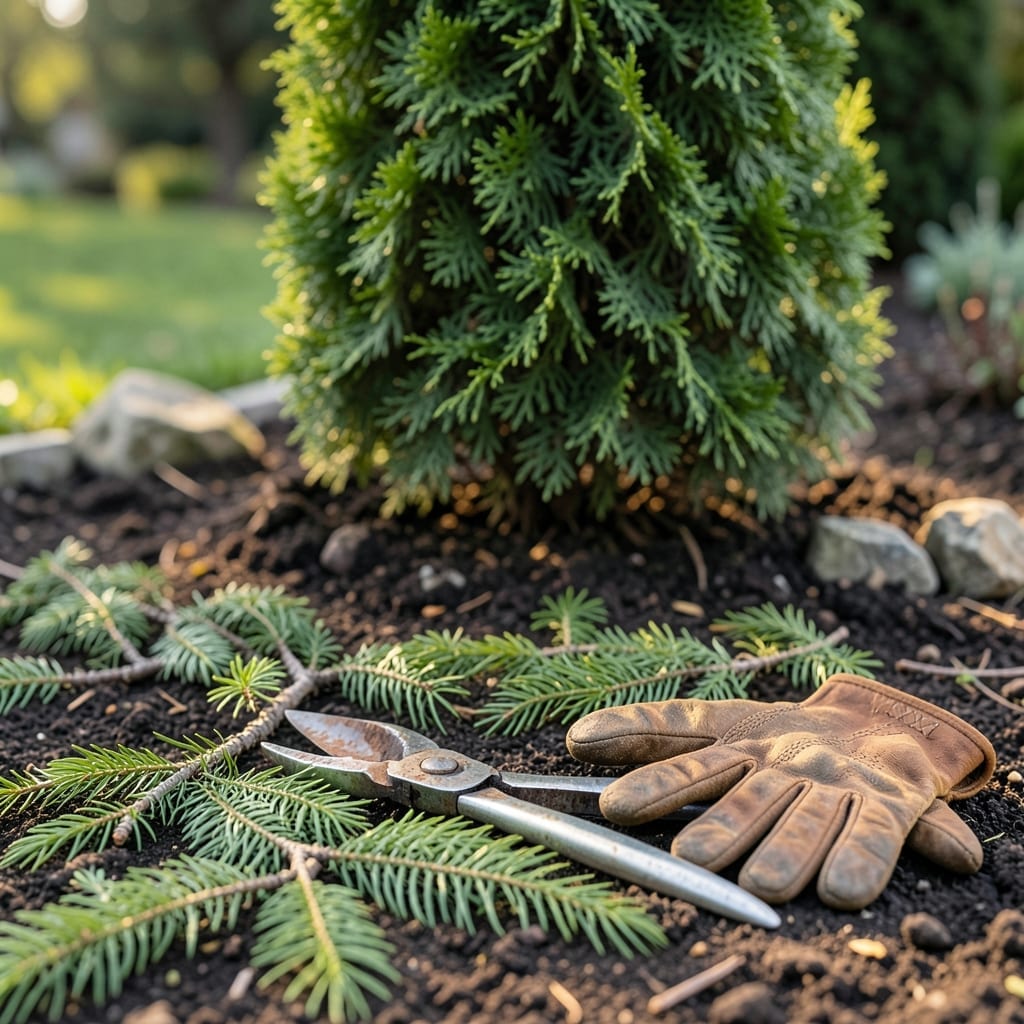
Trimming your 🌲 Arborvitae at the wrong time can stunt its growth or even damage this evergreen staple. I’ve seen too many well-meaning gardeners make this mistake, and it’s heartbreaking.
The good news? With the right timing, you can keep your trees lush and perfectly shaped. Late winter to early spring is your sweet spot for healthy regrowth.
Discover the seasons and conditions that work best, and I’ll show you how to avoid common pitfalls. Your Arborvitae will thank you.
Timing your arborvitae trimming is crucial for vibrant, healthy growth. I always recommend late winter to early spring as the ideal window. This period allows new growth to flourish before summer heat stress arrives.
During this time, your trees are still dormant or just waking up, which minimizes stress. The cool temperatures and moist conditions help them recover quickly from pruning wounds.
| Pruning Period | Best Conditions | Why It Works |
|---|---|---|
| Late Winter | Before new growth starts | Minimizes stress, prevents disease |
| Early Spring | Cool, moist weather | Encourages vigorous regrowth |
| Mid Summer | Light trimming only | Corrects minor shape issues |
Regional variations matter too. In colder climates like USDA Zone 6, wait until frost danger passes. Warmer zones can start pruning 2-3 weeks earlier in the season.
Look for these visual cues that it’s time: buds swelling but not yet open, and soil workable. Avoid pruning when the ground is frozen or waterlogged.
I’ve found that morning pruning works best. The cooler temperatures and lower humidity reduce stress on the tree. Always use clean, sharp tools to prevent tearing the bark.
For mature arborvitae, focus on removing dead or diseased branches first. Then shape the outer growth, being careful not to cut into old wood that won’t regrow.
Remember that light pruning can be done in summer if needed, but avoid heavy cuts. The tree’s energy is focused on growth, not recovery, during this period.
If you’re unsure, observe your tree’s growth pattern. Arborvitae typically produces one flush of growth per year in spring. Time your trimming just before this growth spurt.
Proper timing combined with good technique will give you dense, healthy foliage. Your arborvitae will maintain its natural shape while staying vibrant year-round. ✂️
While timing your pruning correctly is key, knowing when not to trim is just as important. I’ve learned the hard way that late summer and fall are the worst times to prune arborvitae. This is when the tree is preparing for dormancy.
Avoid trimming from August through October. Pruning during this period can stimulate new growth that won’t have time to harden off before winter, leaving it vulnerable to cold damage and winter burn.
⚠️ Avoid These Pruning Times
Pruning in late summer or fall can lead to disease vulnerability and poor recovery. The tree focuses on winter survival, not healing cuts.
Another risky period is during extreme heat waves in summer. The stress of high temperatures combined with pruning can weaken your arborvitae, making it more susceptible to pests and diseases.
I’ve also seen issues when gardeners prune during wet, humid conditions. Moisture can spread fungal diseases through open cuts. Always choose a dry day for trimming to reduce this risk.
Never prune when the tree is actively frozen or the ground is waterlogged. Both conditions make it impossible for the tree to heal properly, increasing the chance of permanent damage.
By steering clear of these high-risk periods, you’ll help your arborvitae stay healthy and resilient. Proper timing is the secret to lush, vibrant growth year after year. ✂️