
Beautiful Plants For Your Interior
Beautiful Plants For Your Interior
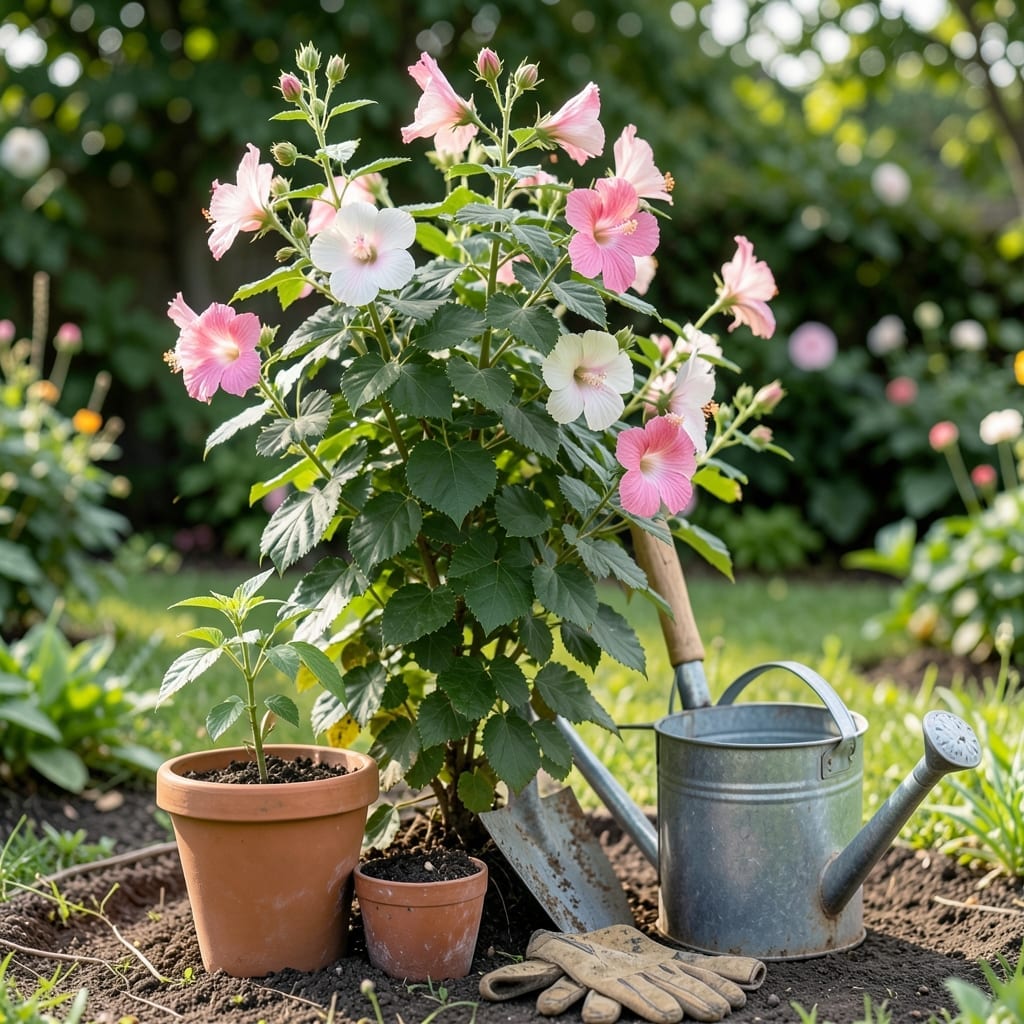
Transplanting a 🌸 Rose of Sharon at the right time can make all the difference between thriving blooms and a struggling shrub. Choosing the wrong season often leads to stress, poor growth, or even plant loss.
I’ve learned that timing is everything when it comes to moving this hardy plant. Whether you’re in zone 5-9 or just starting your gardening journey, knowing the best window ensures a smooth transition.
Discover the ideal seasons, key signs to watch for, and simple steps to help your 🌸 Rose of Sharon flourish in its new home.


I’ve found that the best time to transplant a 🌸 Rose of Sharon is during its dormant seasons, when the plant isn’t actively growing. This minimizes stress and gives the roots a chance to settle.
Early spring or fall are ideal, as the soil is workable and temperatures are mild. Avoid summer heat or winter frost, which can shock the plant and hinder recovery.
| Season | Best Months | Why It Works |
|---|---|---|
| Early Spring | March, April | Cool temps, new growth starting |
| Fall | September, October | Dormant phase, less stress |
| Avoid | June-August | Heat stress, active growth |
In USDA zones 5-9, where Rose of Sharon thrives, early spring is often the safest bet. The soil is warming up, and the plant is just starting to wake from winter dormancy.
If you miss the spring window, early fall is your next best option. Aim for 4-6 weeks before the first frost to give the roots time to establish before winter.
I always check the weather forecast for a stretch of mild, overcast days. This reduces transplant shock and helps the shrub adjust to its new location more smoothly.
For container-grown Rose of Sharon, you have a bit more flexibility. These can be transplanted almost anytime, except during extreme heat or cold snaps.
Remember, the soil temperature should be above 50°F for best results. Cold soil can stall root growth, making it harder for the plant to recover.
If you’re in a region with hot summers, fall transplanting is often the better choice. The cooler temps and autumn rains help the plant settle in without the stress of summer heat.
Finally, always water deeply before and after transplanting. This ensures the root ball stays hydrated and reduces the risk of shock. A little mulch around the base helps retain moisture too 🌱
Transplanting a 🌸 Rose of Sharon successfully starts with proper preparation. I always begin by watering the plant deeply 24 hours before the move to reduce stress.
Next, I choose the new location carefully, ensuring it gets full sun and has well-draining soil. The hole should be twice as wide as the root ball but no deeper.
When digging up the Rose of Sharon, I use a sharp spade to cut a wide circle around the plant. This helps preserve as many roots as possible for a smoother transition.
After replanting, I firm the soil gently around the base to eliminate air pockets. This ensures the roots make good contact with the soil, which is critical for recovery.
For the first 2-3 weeks, I keep the soil consistently moist but not soggy. This helps the plant establish without causing root rot.
I also avoid fertilizing immediately after transplanting. The plant needs time to recover, and fertilizer can stress it further. Wait 4-6 weeks before applying a balanced feed.
Finally, monitor for stress signs like wilting or yellowing leaves. If these occur, provide extra water and shade until the plant stabilizes 🌿