
Beautiful Plants For Your Interior
Beautiful Plants For Your Interior
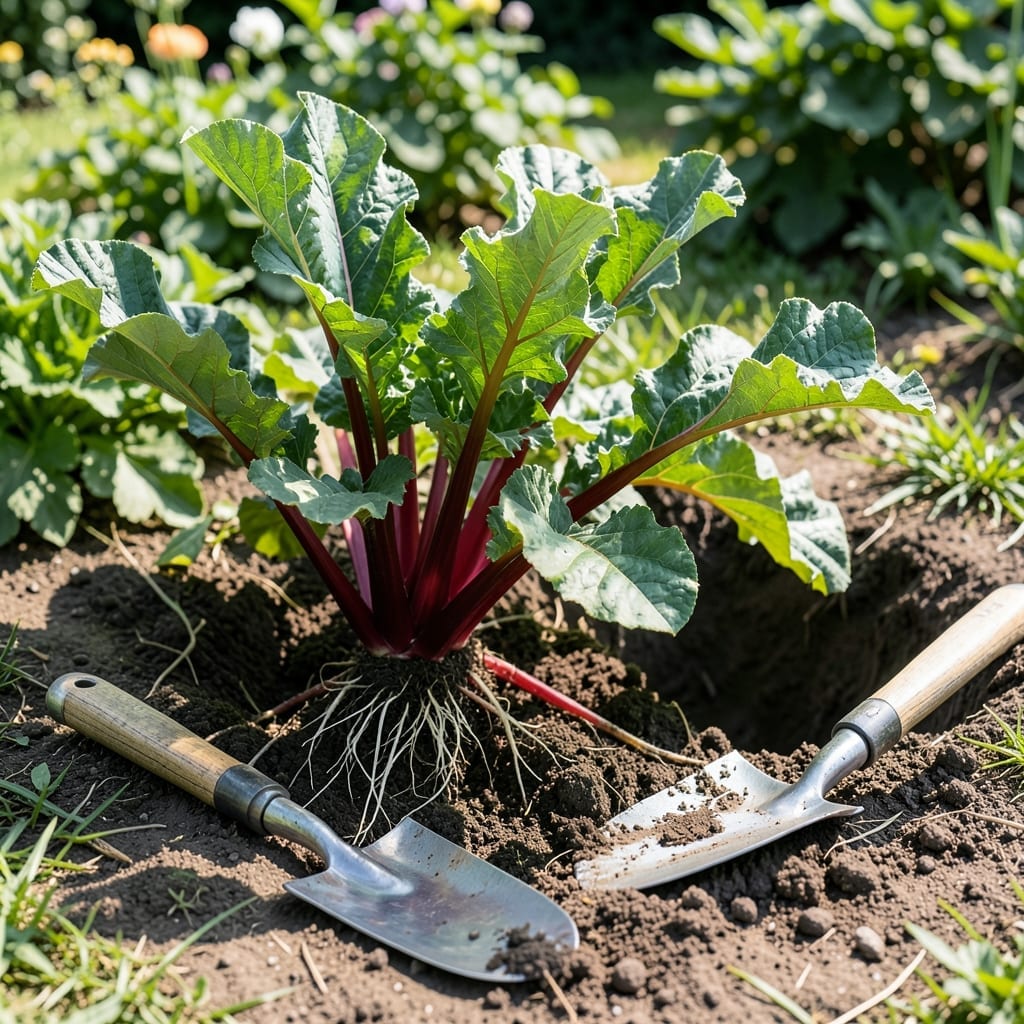
Transplanting rhubarb at the wrong time can stress the 🌱 Rhubarb and reduce your harvest for years. I learned this the hard way after nearly losing my entire patch.
Timing is everything with this perennial. Move it while dormant, and you’ll set the stage for healthy growth and bountiful stalks.
Let me show you the best windows to relocate your crowns and why these moments matter so much for your plant’s future.


Moving rhubarb crowns at the right time ensures strong root establishment and future productivity. I always recommend timing this task when the plant is dormant for best results.
This means targeting early spring before new growth appears or fall after foliage dies back. These windows minimize stress and maximize your chances of success.
| Season | Timing | Key Benefit |
|---|---|---|
| Early Spring | March-April | Roots establish before heat |
| Fall | September-November | Cool temps reduce transplant shock |
In USDA zones 3-8, these timeframes work well, but I always check my local frost dates for precision. Transplant at least 4-6 weeks before the first frost in fall.
The soil temperature should be above 40°F for root growth. I use a soil thermometer to confirm conditions are right before digging up my crowns.
For spring transplanting, aim to finish before new shoots emerge. This gives roots time to settle before the growing season kicks into high gear.
In fall, wait until foliage dies back naturally. This signals the plant is entering dormancy, making it the perfect time to move it without stress.
If you’re in a warmer climate, fall is often better than spring. The cooler temperatures and autumn rains help roots establish before winter.
I’ve found that dividing crowns every 4-5 years keeps plants vigorous. This is also the ideal time to relocate overcrowded clumps.
Transplanting rhubarb crowns properly ensures they thrive in their new location. I start by preparing the new planting site with rich, well-draining soil.
First, I dig a generous hole about 2 feet wide and 18 inches deep. This gives the root system plenty of room to spread out comfortably.
When digging up established rhubarb, I use a sharp spade to cut around the crown. I try to keep as much root mass intact as possible.
If the clump is large, I divide it into smaller sections, ensuring each has at least one strong bud. This helps rejuvenate older plants.
I plant the crowns with the buds just 2 inches below soil level. Planting too deep can cause rot, while too shallow may dry out.
After planting, I water deeply to settle the soil and eliminate air pockets. Then I add a thick layer of mulch to conserve moisture and suppress weeds.
I avoid fertilizing immediately after transplanting to prevent burning new roots. Instead, I wait 2-3 weeks before applying a balanced feed.