
Beautiful Plants For Your Interior
Beautiful Plants For Your Interior
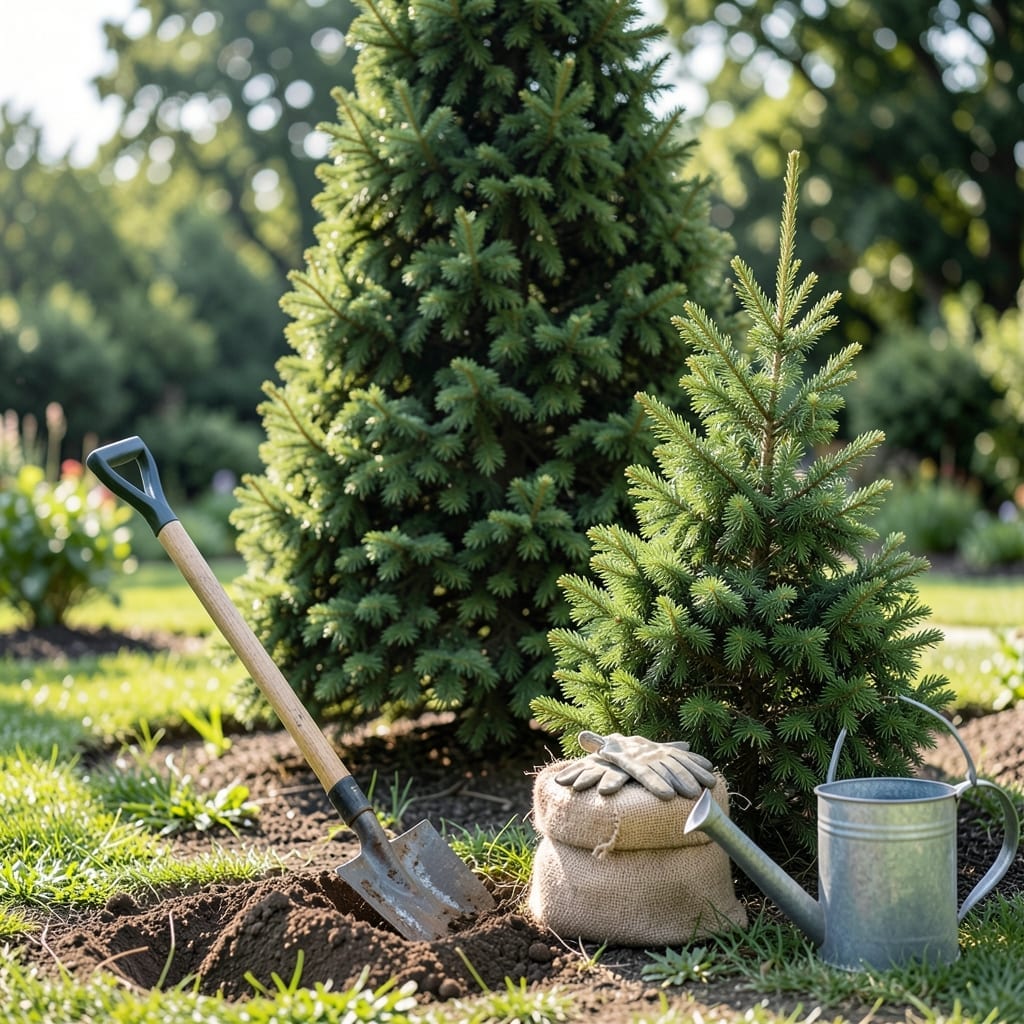
Moving your 🌲 Evergreen Tree at the wrong time can set its growth back for years. I learned this the hard way after watching a prized spruce struggle for seasons.
Timing is everything when it comes to giving your evergreens the best shot at thriving. The difference between success and stress often comes down to just a few weeks.
Discover when to make your move and why these windows work so well. Your trees will thank you with healthier growth.


I’ve found that early spring and early fall are the prime windows for transplanting evergreens. These seasons offer cooler temperatures and moderate moisture, which reduce stress on the tree. 🌱
The tree is dormant during these periods, meaning it’s not actively growing. This allows the root system to establish itself before the demands of summer heat or winter cold set in.
| Season | Best Months | Key Benefits |
|---|---|---|
| Early Spring | March-April | Cool temps, soil warming |
| Early Fall | September-October | Moderate weather, root growth |
| Avoid Summer | June-August | Heat stress, drought risk |
| Avoid Winter | November-February | Frozen ground, dormancy |
In early spring, the soil begins to warm, encouraging root growth while the air remains cool. This balance helps the tree recover before summer’s heat arrives. I always aim for March or April in most climates.
Early fall is another ideal time, especially in milder regions. The soil stays warm longer than the air, giving roots a chance to spread before winter. September and October work well, but avoid late fall when frosts arrive early.
For cold climates, like USDA Zone 6, I recommend sticking to early spring. The shorter growing season means fall planting might not give roots enough time to establish before winter. In warmer zones, fall can be just as effective as spring.
Avoid summer transplanting at all costs. The heat stress and drought conditions can overwhelm the tree, leading to transplant shock or even death. I’ve seen even hardy pines struggle when moved in July.
Also, steer clear of winter months when the ground is frozen. The tree can’t establish roots in frozen soil, and the cold can damage exposed roots. Timing truly is everything with evergreens. 🌲
If you’re in a region with mild winters, you might get away with late fall planting. But in most cases, early spring and early fall are your safest bets for healthy, thriving evergreens.
Finally, always check your local frost dates and soil conditions before digging. A little planning goes a long way in ensuring your evergreen’s success in its new home. 🌿
I always start by preparing the new hole before digging up the tree. This ensures the root ball spends minimal time exposed. Make it twice as wide as the root ball but no deeper. 🌱
For spring transplanting, I water the tree deeply 2-3 days before moving it. This helps the root system stay hydrated during the transition. In fall, the same rule applies.
When digging, I use a sharp spade to cut a clean circle around the tree. The root ball should be as large as possible. For small trees, aim for 12-18 inches diameter. 🌲
After placing the tree, I backfill with native soil and tamp gently to remove air pockets. Then I water slowly and deeply to settle the soil. This step is crucial for root establishment.
In spring, I water every 3-4 days for the first month, then taper off. For fall transplanting, I water weekly until the ground freezes. Consistent moisture is key during the first year.
Finally, I always mulch around the base with 2-3 inches of organic material. This helps retain moisture and regulates soil temperature. Just