
Beautiful Plants For Your Interior
Beautiful Plants For Your Interior
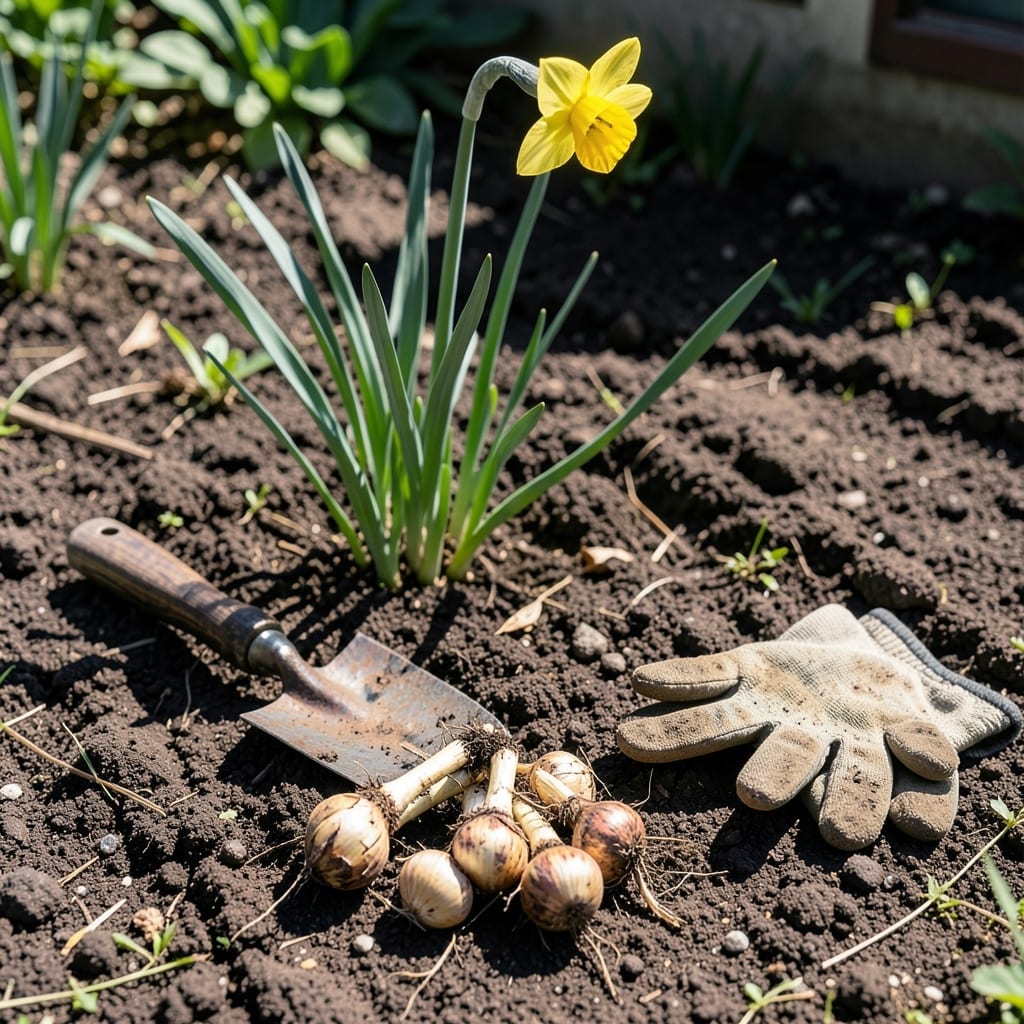
Moving your 🌷 Daffodils at the right time can make or break next year’s blooms. Transplant too early or too late, and you might end up with lackluster or no flowers at all.
I’ve learned the hard way that timing is everything when it comes to these spring beauties. The key is working with the plant’s natural cycle, not against it.
Discover the best window to move your Daffodils for vibrant, healthy growth. Let me show you how to get it right the first time.


The ideal window to transplant daffodils is late spring to early summer, after their foliage yellows and dies back. This timing ensures the bulbs have completed their growth cycle.
I’ve found that moving them during this dormant phase minimizes stress. The plant focuses energy on root establishment rather than blooming, setting the stage for vibrant flowers next year.
| Stage | Action |
|---|---|
| Early Spring | Avoid transplanting during active growth |
| Late Spring | Wait until foliage yellows and wilts |
| Early Summer | Transplant bulbs after foliage dies back |
| Fall | New planting sites should be ready |
Transplanting daffodils 6 weeks after blooming is a good rule of thumb. This gives the bulbs time to store energy from the fading foliage.
You’ll notice the leaves turn yellow and then brown. That’s your signal! The bulbs are now dormant and ready to move without shock.
I always mark my calendar for June in most climates. This timing allows the bulbs to settle in before the next growing season.
If you transplant too early, you risk cutting off the bulb’s energy supply. Too late, and the bulbs won’t have enough time to establish roots before winter.
In warmer zones, you might transplant as late as July. But in cooler areas, aim for May to June to be safe.
Remember, soil temperature matters too. Wait until the soil is warm and workable, usually above 60°F.
Finally, avoid transplanting during extreme heat or drought. The bulbs need moderate conditions to recover and thrive.
With the right timing, your daffodils will reward you with bigger, brighter blooms next spring 🌷
Transplanting daffodils doesn’t have to be stressful. I start by gently lifting the bulbs with a garden fork, taking care not to pierce them.
It’s best to work when the soil is dry to prevent clumping. Loosen the earth around the bulbs, then carefully lift them out in small clusters.
✅ Pro Tip
Transplant daffodils 6 weeks after blooming when foliage turns yellow or brown. This ensures bulbs are dormant and ready to move.
Next, I prepare the new site by digging holes 6 inches deep and spacing them 4-6 inches apart. Well-draining soil is a must to prevent bulb rot.
Place each bulb pointy-side up and cover with soil. I always water thoroughly after planting to help the roots settle in.
A light layer of mulch helps retain moisture and keeps soil temperatures stable. Just avoid piling it too high over the bulbs.
After transplanting, I mark the location with small stakes. This prevents accidental disturbance and helps me track their progress through the seasons 🌷