
Beautiful Plants For Your Interior
Beautiful Plants For Your Interior
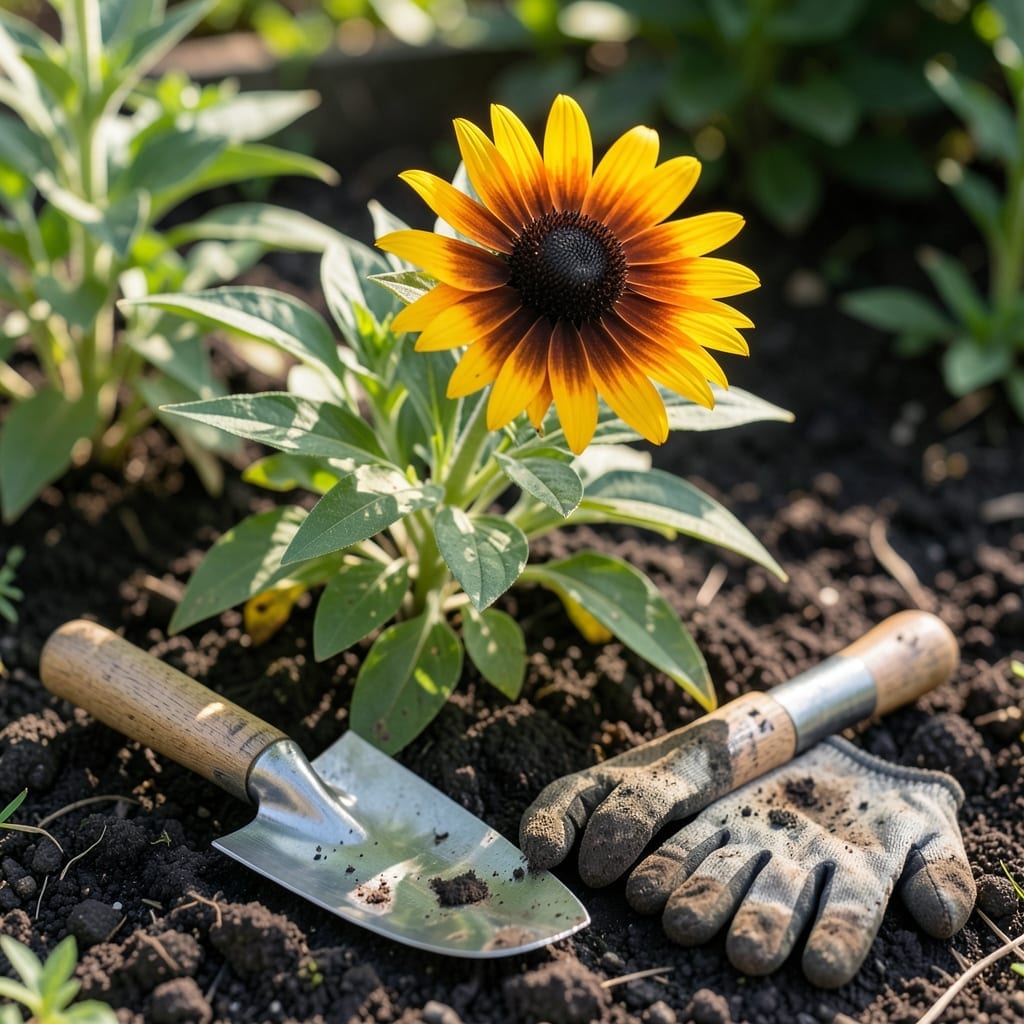
Transplanting Black Eyed Susan at the wrong time can shock the plants and stunt their vibrant summer blooms. I learned this the hard way after moving mine in the heat of summer.
Getting the timing right is the key to ensuring your 🌻 Black Eyed Susan thrives in its new location. These hardy perennials need conditions that minimize stress and promote strong root establishment.
Whether you’re in zone 5-9 or just starting your gardening journey, knowing the optimal windows makes all the difference. Spring and fall offer the best opportunities for success.
Discover exactly when to make your move and how to prepare both your plants and your soil for a seamless transition. Your garden will thank you.


Timing is everything when moving Black Eyed Susans. I’ve found that early spring and late fall are the ideal windows for minimizing transplant shock and ensuring strong root establishment.
These perennials thrive in USDA zones 5-9 and prefer mild temperatures. Transplanting during active growth or extreme heat can stress the plants and reduce their vibrant summer blooms.
| Transplant Window | Conditions | Soil Temperature |
|---|---|---|
| Early Spring | Before new growth starts | 50-60°F |
| Late Fall | After blooming, before frost | 50-60°F |
| Avoid | Summer heat, active blooming | Above 75°F |
Early spring is my top recommendation because the soil is workable and the plants are still dormant. This gives them time to establish roots before the growing season kicks in.
In late fall, aim to transplant at least 4-6 weeks before the first frost. This allows the roots to settle in before winter dormancy, ensuring a strong start next spring.
Soil temperature is a critical factor. I always check that it’s consistently above 50°F at a depth of 4-6 inches. A simple soil thermometer can save you guesswork.
If you’re in a region with mild winters, you can stretch the fall window. But in colder zones, stick to early fall to avoid frost damage to new transplants.
Another tip: overcast days are perfect for transplanting. The reduced sunlight minimizes stress on the plants. I also water thoroughly a day before moving them to ensure the soil is moist.
For the best results, choose a location with full sun and well-draining soil. Black Eyed Susans aren’t fussy, but they do best when their new home mimics their ideal growing conditions.
Finally, avoid disturbing the root ball as much as possible. The more roots you preserve, the quicker your plants will recover and start thriving in their new spot. 🌻
Moving Black Eyed Susans requires careful timing and technique. I always start by choosing a mild day in early spring or late fall when the plants are dormant. This reduces stress and helps them establish quickly.
Before digging, I water the plants deeply the day before to soften the soil and make root extraction easier. This step is crucial for preserving the root ball and minimizing transplant shock.
After transplanting, I always mulch around the base to retain moisture and protect the roots. This helps the plant recover faster and reduces water stress during the critical first weeks.
I monitor the plants closely for the first two weeks, keeping the soil consistently moist but not waterlogged. Overwatering can be just as harmful as underwatering during this sensitive period.
For best results, I avoid transplanting during peak summer heat or when the plants are actively blooming. These conditions increase stress and reduce the chances of successful establishment.
With proper timing and care, your Black Eyed Susans will reward you with vibrant blooms in their new location. I’ve found this method works consistently across zones 5-9.
Remember, patience is key—give your plants time to adjust and thrive 🌻