
Beautiful Plants For Your Interior
Beautiful Plants For Your Interior
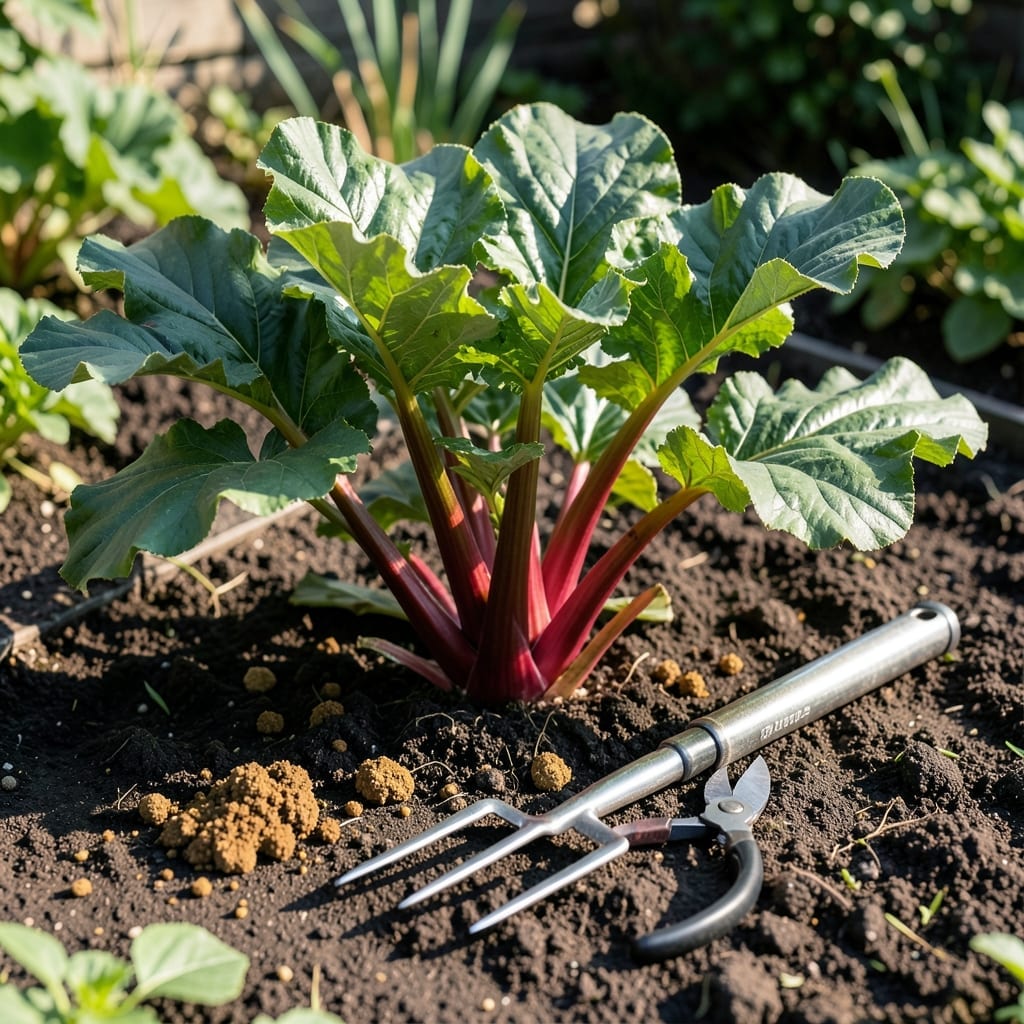
Splitting rhubarb at the right time can make or break your harvest. Get it wrong, and you might stunt your 🌱 Rhubarb for seasons to come.
I’ve learned the hard way that timing is everything. Early spring and late fall are your best windows, when the plant is dormant and can recover without stress.
Whether you’re in USDA zone 3-8 or just starting out, knowing when to act ensures stronger, more productive plants. Let me walk you through the details.
Discover how to split your rhubarb like a pro and set yourself up for years of bountiful stalks. It’s simpler than you think.
Timing your rhubarb split right means healthier plants and bigger harvests. The best windows are early spring or late fall, when the plant is dormant and less stressed by the process.
In early spring, split just as new growth emerges but before stalks elongate. This gives roots time to establish before the growing season kicks in.
| Season | Timing | Conditions |
|---|---|---|
| Early Spring | March-April | Soil workable, before growth |
| Late Fall | Sept-Nov | After harvest, before frost |
| USDA Zones | 3-8 | Adjust for local frost dates |
For late fall splitting, wait until after your last harvest but at least 4-6 weeks before the first frost. This allows roots to recover before winter dormancy.
In colder climates (zones 3-5), early spring is often safer. The soil warms enough for root growth but avoids summer heat stress.
Mild regions (zones 6-8) can split in late fall. The cooler temps reduce transplant shock, and roots establish before winter.
Check your soil temperature—it should be above 40°F. Use a soil thermometer to confirm. Cold soil slows root recovery.
Avoid splitting during active growth or summer heat. The stress can weaken plants, reduce yields, or even kill the crown.
If your rhubarb crown is over 5-6 years old, splitting revitalizes it. Look for smaller stalks or reduced vigor as signs it’s time.
After splitting, water deeply and mulch with organic matter. This protects roots and retains moisture during recovery.
Remember, healthy rhubarb plants can thrive for 10-15 years with proper care. Timing your split right ensures a lifetime of abundant harvests 🌱
Splitting rhubarb plants is straightforward if you follow the right steps. I always start by gathering a sharp spade, pruning shears, and compost for replanting. Timing and tools make all the difference.
Begin by watering the plant thoroughly the day before. This softens the soil and reduces root stress during division. Dig around the rhubarb crown carefully to expose the roots without damaging them.
Each rhubarb section needs healthy roots and 1-2 growth buds to thrive. Smaller pieces may struggle to establish, so aim for palm-sized divisions for best results.
After replanting, keep the soil moist but not soggy. I check daily for the first week, then taper off as the plants adjust. Avoid fertilizing immediately—let the roots recover first.
In cold climates, add a thick mulch layer after splitting in fall. This insulates the roots from freezing temps and ensures a strong start next spring.
With proper care, your split rhubarb will reward you with vibrant stalks in just one season. Patience and precision pay off with this hardy perennial 🌱