
Beautiful Plants For Your Interior
Beautiful Plants For Your Interior
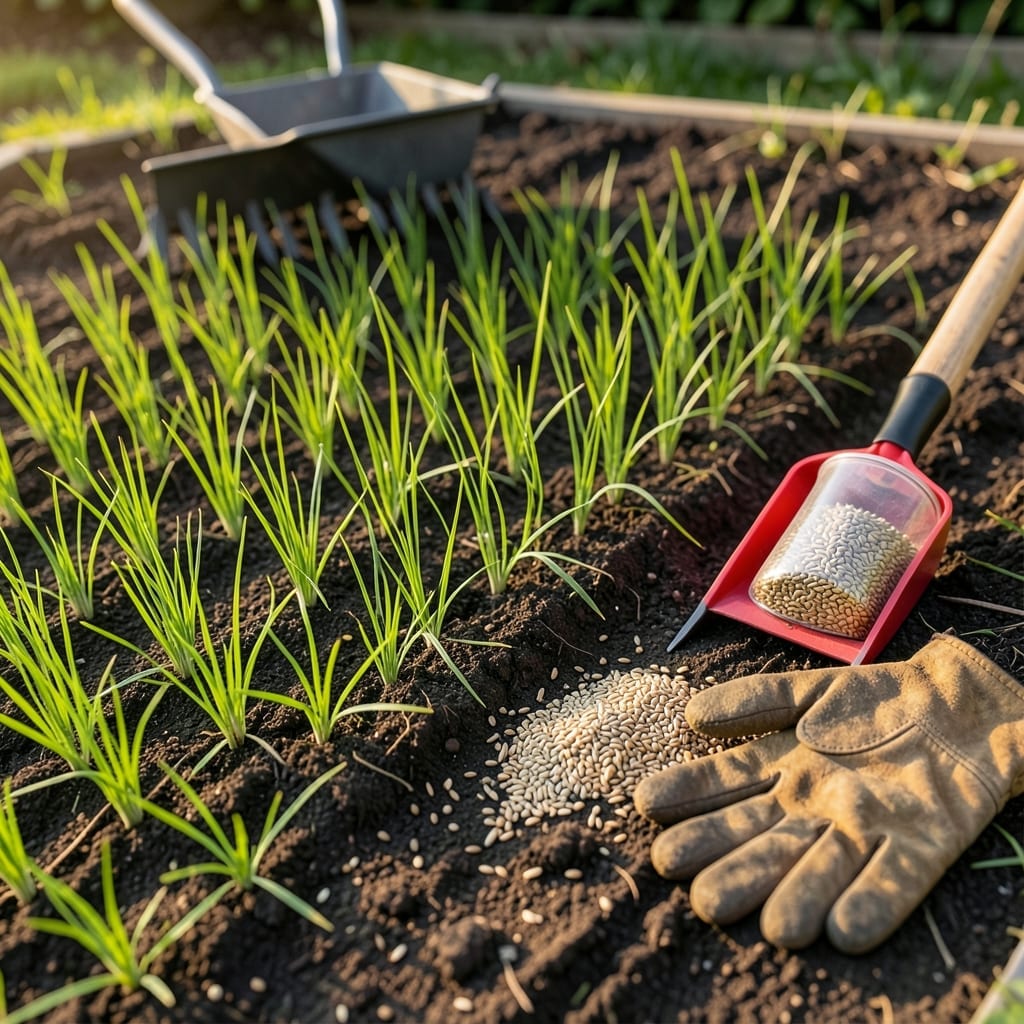
Timing your fall seeding correctly can mean the difference between a lush, healthy lawn and a patchy, struggling one. The cool temperatures and consistent moisture of autumn create ideal conditions for seed germination.
I’ve seen firsthand how seeding at the right time transforms lawns. With 🌱 General Fall Seeding, you’re working with nature, not against it. The season offers the perfect balance of warmth and moisture.
But timing isn’t just about the calendar – it’s about understanding your climate. In zone 6, the window from August to October is prime. This gives roots time to establish before winter hits.
Discover how to make the most of this game-changing season. Your best lawn could be just one well-timed seeding away.


I’ve found that fall seeding success hinges on timing it right for your USDA hardiness zone. The sweet spot is 4-6 weeks before your first frost, giving roots time to establish before winter. This window varies dramatically across the country.
In northern zones (1-4), you’ll want to seed late August through early September. Cooler temperatures arrive quickly, and seeds need that extra time. Southern gardeners in zones 7-10 can push seeding into October or even November.
| Zone | Optimal Seeding Window | Days Before Frost |
|---|---|---|
| 1-3 | August 15-30 | 60-75 |
| 4-6 | Late August-September | 45-60 |
| 7-10 | September-November | 30-45 |
For transition zones (5-6), I recommend aiming for early to mid-September. This gives you a buffer against early frosts while avoiding summer’s heat. Remember, soil temperature should be consistently above 50°F for germination.
I always check my local frost dates first. The National Weather Service provides reliable data. In my experience, cool-season grasses like Kentucky bluegrass thrive when seeded 6-8 weeks before the first hard frost.
Don’t forget that soil preparation matters as much as timing. I test my soil’s pH level (ideal: 6.0-7.5) and amend if needed. Proper prep ensures seeds make good contact with the soil for better germination.
In drought-prone areas, I’ve learned to watch the weather forecast closely. If a dry spell is predicted, I’ll delay seeding until consistent moisture returns. New seeds need daily watering for the first 2-3 weeks.
For warm-season grasses like Bermuda, fall seeding isn’t ideal. I focus on cool-season varieties such as fescue or ryegrass during autumn. These types establish well in cool temperatures and go dormant in winter.
I’ve noticed that early fall seeding (before Labor Day) often outperforms late fall attempts. The grass has more time to develop strong root systems before winter dormancy. This translates to thicker, healthier turf come spring.
Finally, I always remind fellow gardeners that local microclimates can shift these windows. Urban areas may stay warmer longer, while valley locations might get frost earlier. Observe your specific conditions for the best results 🌱
I’ve found that fall seeding gives grass a stronger start than spring planting. The cooler air and warm soil create the perfect combo for rapid germination and root growth before winter hits.
Weeds are also less aggressive in fall, so your new seedlings won’t have to compete as much for nutrients and space.
Another big plus is soil temperature. In fall, the ground stays warm enough for seeds to germinate quickly but not so hot that they dry out or struggle.
I always remind gardeners that fall-seeded lawns often thicken up faster the following spring. The roots get a head start during winter dormancy.
Plus, watering is easier in fall. You’re less likely to overwater or deal with drought stress compared to summer seeding. Morning dew helps too!
If you’ve struggled with patchy lawns in the past, try fall seeding this year. The results speak for themselves with denser, healthier turf by next season 🌱