
Beautiful Plants For Your Interior
Beautiful Plants For Your Interior
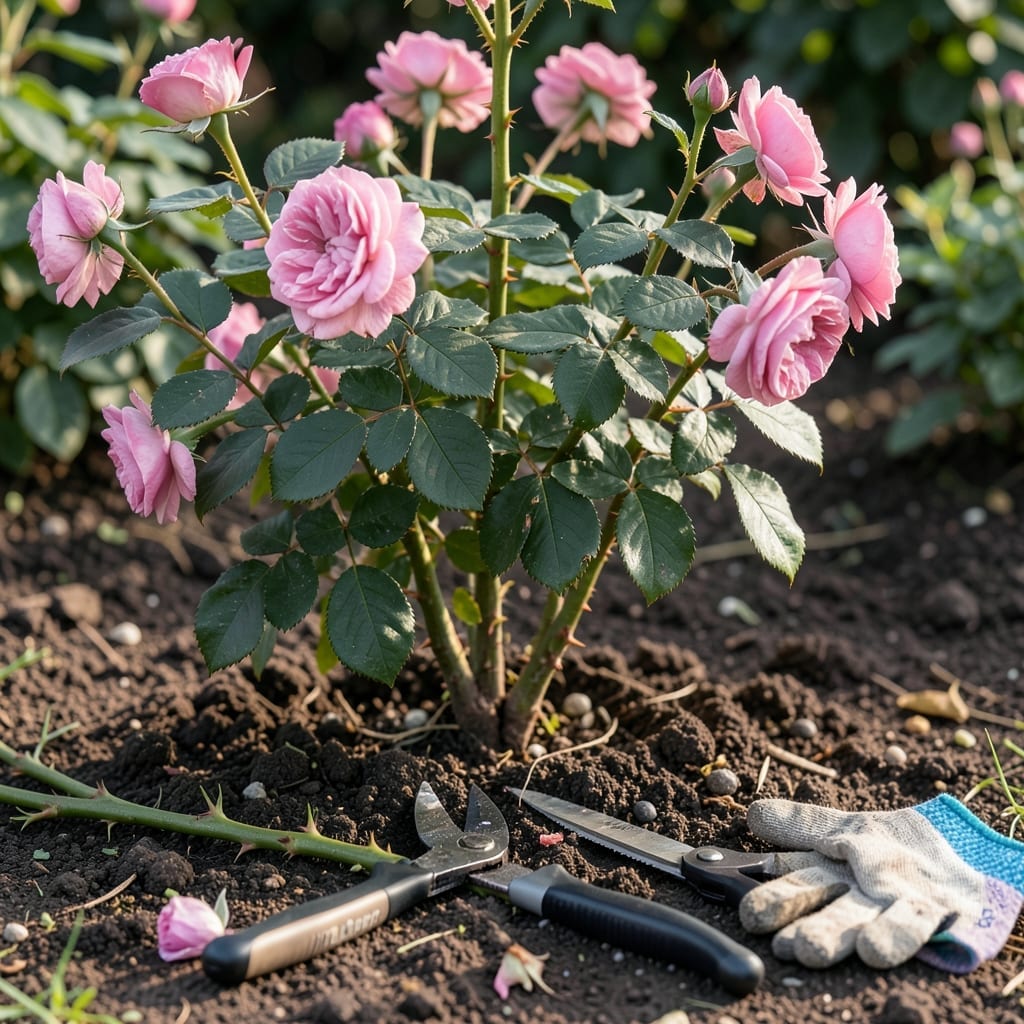
Timing is everything when it comes to caring for your 🌹 Rose Bush. Prune too early or too late, and you risk stunting its growth or missing out on those stunning blooms we all love.
In Zone 6, the sweet spot is just as new growth begins in early spring. I’ll show you how to hit this window perfectly, no matter where you’re gardening.
Discover the simple seasonal schedule that keeps your roses thriving year after year—without the guesswork.
Timing your rose bush pruning correctly can make or break your blooms. I’ve found that late winter to early spring works best for most climates, just as those first green buds appear.
In warmer zones like 7-10, you can start pruning in January or February. Cooler areas in zones 3-5 should wait until March or April to avoid frost damage.
| Rose Type | Best Pruning Time | USDA Zones |
|---|---|---|
| Hybrid Teas | Late winter | 5-10 |
| Climbing Roses | After blooming | 4-9 |
| Shrub Roses | Early spring | 3-8 |
| Old Garden Roses | After flowering | 4-11 |
For hybrid teas, I recommend pruning about 6-8 weeks before your last expected frost. This gives the plant time to recover before the growing season kicks in.
Climbing roses are a bit different—they bloom on old wood, so prune them right after their first big flush of flowers, usually in late spring or early summer.
If you’re in Zone 6 like me, aim for March when the forsythia starts blooming. That’s nature’s way of telling you it’s time to grab your pruning shears.
For shrub roses, which are hardier, you can prune a little later—early April works well. These can handle a light trim even in fall if needed, but avoid heavy pruning then.
Remember, never prune when the plant is actively blooming or during extreme heat. The stress can weaken the bush and make it more susceptible to pests and diseases.
In mild climates, some gardeners do a light pruning in fall to shape the bush, but save the major cuts for late winter. This prevents new growth from being damaged by unexpected cold snaps.
I always check the 10-day forecast before pruning. If temperatures are expected to drop below 25°F after pruning, it’s better to wait a bit longer.
Pruning at the right time is just the start. To get those lush blooms, you need the right technique too. I always begin by gathering my sharp pruning shears and thick gloves for protection.
Start by removing any dead or diseased wood, cutting back to healthy tissue. This prevents the spread of fungal infections and pests that can harm your rose bushes. ✂️
Next, focus on opening the center of the bush. I remove about 1/3 of the oldest canes at the base to encourage new growth and better airflow.
For hybrid teas, I aim for 3-5 strong canes and prune them back to 18-24 inches. This might seem drastic, but it leads to bigger, healthier blooms.
Climbing roses need a gentler touch. I only remove dead or weak growth and shorten lateral branches to 2-3 buds. This maintains their natural shape while encouraging flowers.
After pruning, I always disinfect my tools with rubbing alcohol. This simple step prevents the transfer of diseases between plants. 🌹
Finally, give your roses a good drink of water and a light feeding with balanced fertilizer. This helps them recover and prepares them for a Spectacular blooming season.