
Beautiful Plants For Your Interior
Beautiful Plants For Your Interior
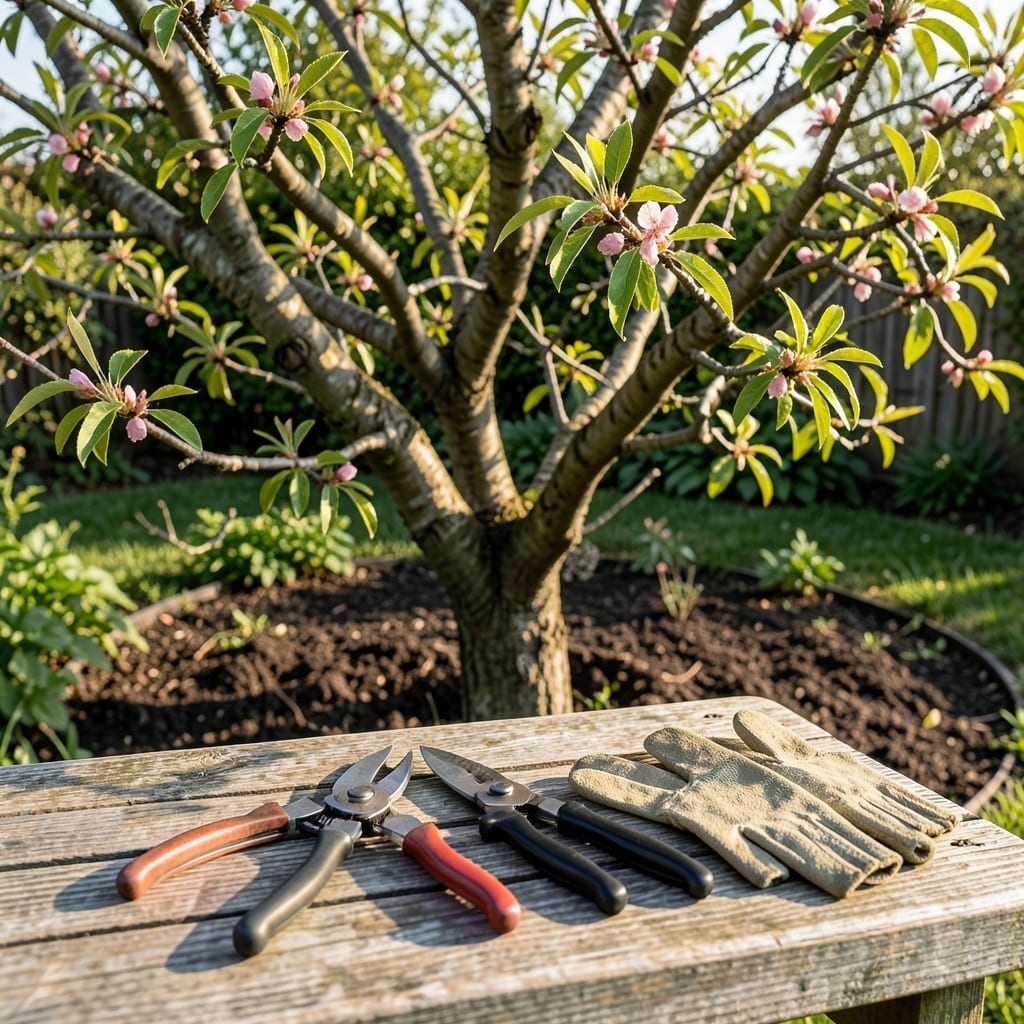
Pruning your 🍑 Peach Tree at the right time can mean the difference between a bountiful harvest and a season of disappointment. Timing is everything when it comes to trimming for vibrant growth.
I’ve seen too many gardeners prune at the wrong moment, only to watch their trees struggle. The good news? There’s a simple window that maximizes health and fruit production.
Discover when to wield those shears for the best results. Your Peach Tree will thank you with juicier fruit and stronger branches.
Timing your peach tree pruning correctly is crucial for healthy growth and abundant fruit. The ideal window is late winter to early spring, just before buds begin to swell.
This period ensures the tree is still dormant but about to enter its active growth phase. Pruning now reduces disease risk and directs energy toward fruit production ✂️
| Stage | Action | Best Time |
|---|---|---|
| Dormancy | Prune heavily | Late winter |
| Bud swell | Light pruning | Early spring |
| Post-harvest | Minor trimming | Summer |
I always recommend late February to March for most USDA zones 5-8. This timing avoids cold damage to fresh cuts while preventing disease spores from infecting wounds.
In warmer climates like Zone 9, you can prune as early as January. Cooler regions should wait until March when frost danger has passed.
Dormant pruning allows you to see the tree’s structure clearly without leaves obscuring branches. This makes it easier to identify and remove problem areas 🌳
The biological reason this timing works is that the tree stores energy in roots during winter. Pruning before growth starts channels this energy into new healthy branches and fruit spurs.
Avoid pruning during wet periods as this increases fungal infection risks. Always use clean, sharp tools to make precise cuts that heal quickly.
For young peach trees, focus on establishing a strong scaffold structure in these early years. Remove any crossing branches that could cause problems later.
Remember that summer pruning is possible but should be light. It’s mainly for corrective shaping or removing water sprouts, not major restructuring.
By following this timing, you’ll enjoy larger, sweeter peaches and a healthier tree that resists pests and diseases better each season ✂️
Pruning at the right time ensures your peach tree stays healthy and productive. I always start by gathering the essential tools: sharp bypass pruners, loppers, and a pruning saw for thicker branches.
Begin by removing all dead, diseased, or broken branches. These can harbor pests and waste the tree’s energy. Cut back to the branch collar without leaving stubs ✂️
Next, focus on thinning cuts to open the tree’s center. This allows sunlight and air to reach all branches, reducing fungal diseases and improving fruit quality.
For heading cuts, shorten the remaining branches by about one-third of their length. This encourages stronger growth and more fruit-bearing wood.
Always make clean cuts at a 45-degree angle just above a bud. This helps the tree heal faster and prevents water from pooling on the cut surface.
After pruning, I like to clean up all debris from around the tree. This removes potential hiding spots for pests and diseases. It’s a simple step that makes a big difference 🌳