
Beautiful Plants For Your Interior
Beautiful Plants For Your Interior
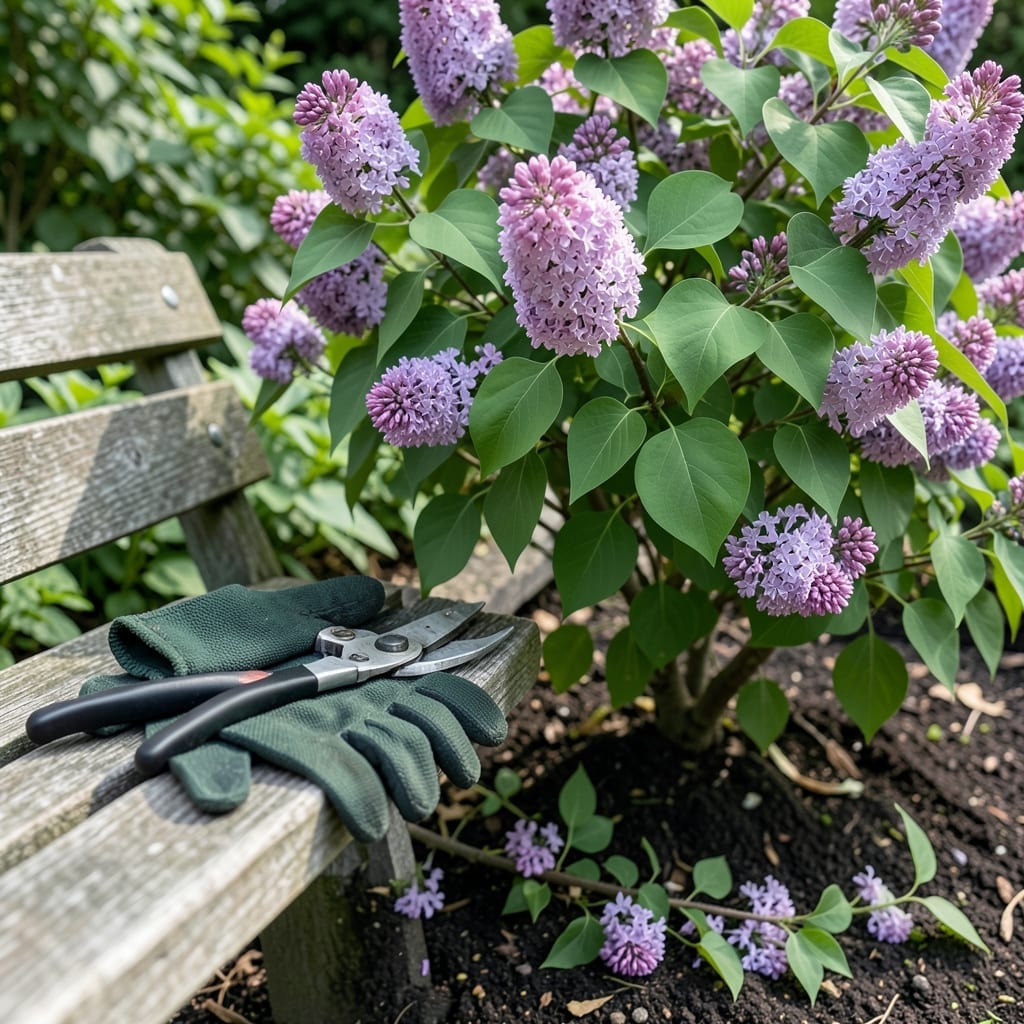
Pruning your 🌸 Lilac at the wrong time can leave you with a bloomless spring. I learned this the hard way after cutting mine back in fall and missing out on their fragrant purple clusters the next year.
Timing is everything with these shrubs. The best window comes right after their flowers fade, giving the plant time to develop next year’s buds. It’s a simple rule that makes all the difference.
Discover why this timing works and how to spot the perfect moment to grab your pruners. Your future self will thank you when the Lilacs burst into color.
I’ve found that timing is everything when it comes to pruning lilacs. These fragrant shrubs set their flower buds for next year soon after blooming, so cutting them back at the wrong time can ruin your spring display.
The ideal window for pruning is right after the flowers fade. This gives the plant plenty of time to develop new buds for the following year. In most regions, this means late spring or early summer.
🌸 Best Time to Prune Lilacs
In cooler climates like USDA zone 6, I aim to finish pruning by early June. This ensures the shrub has enough time to recover and set buds before winter. Warmer zones might have a slightly longer window.
The reason timing matters so much is that lilacs bloom on old wood. Those flower buds form on the previous year’s growth. If you prune too late, you’ll cut off the very buds that would have become next year’s blooms.
I always look for two key signs: faded flowers and new growth beginning to form. When you see these, it’s time to grab your pruners. The wood should be firm but not too old.
For dwarf lilac varieties, the same timing applies. Even smaller shrubs need that post-bloom pruning window to maintain their flowering potential. Don’t let their size fool you into thinking they’re different.
Regional variations do exist. In the Pacific Northwest, our cool springs might mean pruning a week or two later. In the Midwest, the window might be earlier due to hotter summers.
Remember, if you miss that post-bloom window, it’s better to wait until next year than to prune in fall or winter. Late pruning can stimulate new growth that won’t have time to harden off before cold weather.
I’ve seen gardeners make the mistake of pruning in fall to “tidy up” the garden. This almost always results in a spring with fewer blooms or none at all. Patience with lilacs always pays off.
By following this timing, you’ll ensure your lilacs put on their best show year after year, with those fragrant purple clusters we all love so much. ✂️
Pruning lilacs properly ensures you won’t sacrifice next year’s blooms. I start by identifying spent flower clusters—these are the first to go. Removing them right after blooming prevents seed formation and redirects energy to new growth.
The next step is thinning out old or weak stems. I look for stems thicker than a pencil that haven’t bloomed well. Cutting these at the base opens up the center of the shrub for better airflow and sunlight penetration.
✂️ Pruning Lilacs in 4 Steps
For shaping, I trim back outer branches by about one-third. This encourages bushier growth and more flowering sites. Always cut just above a leaf node to promote healthy new growth.
Avoid over-pruning—never remove more than one-third of the shrub in a single year. This can stress the plant and reduce flowering. I also avoid cutting new growth, as this is where next year’s buds will form.
Use sharp bypass pruners for clean cuts. Dull tools can crush stems, making them more susceptible to disease. I clean my pruners with rubbing alcohol between cuts to prevent spreading any potential pathogens.
After pruning, I give my lilacs a light feeding with a balanced fertilizer. This helps the plant recover and supports new growth. Water deeply afterward to help the shrub settle in after the stress of pruning.
With these steps, your lilacs will reward you with abundant blooms year after year. 🌸