
Beautiful Plants For Your Interior
Beautiful Plants For Your Interior
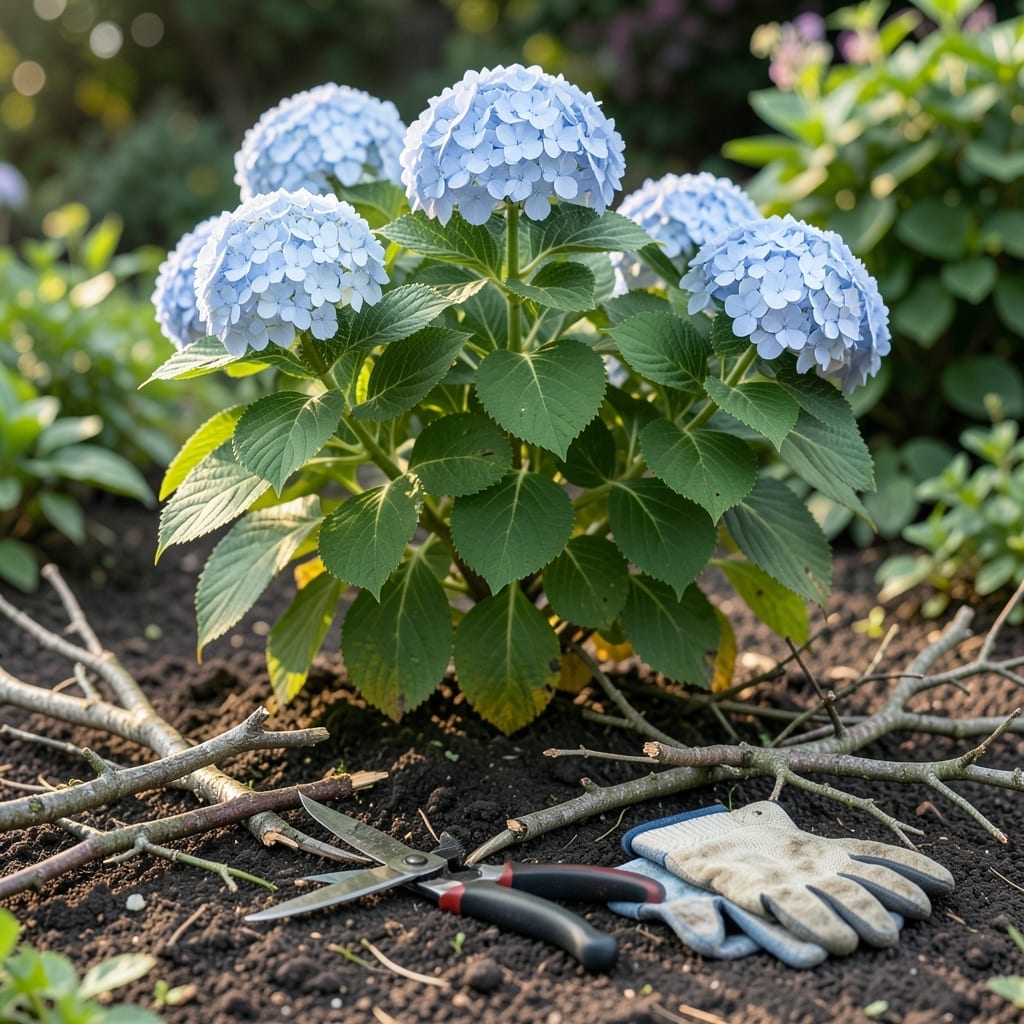
Pruning your 🌸 Hydrangea at the wrong time can cost you a season of blooms. I learned this the hard way after accidentally trimming mine in early spring and missing out on those gorgeous flowers.
The secret lies in understanding your plant’s bloom cycle. Whether you have old wood or new wood varieties, timing is everything for lush, vibrant results.
Discover how to make the right cuts and when to do it. Your Hydrangea will thank you with its most stunning display yet.
I’ve found that timing your hydrangea pruning perfectly comes down to knowing whether your plant blooms on old wood or new wood. This small detail makes all the difference in getting those gorgeous flowers.
Old wood bloomers like bigleaf and oakleaf hydrangeas set their flower buds in late summer for the next year. Prune these too late and you’ll cut off next season’s blooms. ☀️
| Variety | Bloom Type | Pruning Time | Key Tip |
|---|---|---|---|
| Bigleaf | Old Wood | After Blooming | Avoid winter pruning |
| Oakleaf | Old Wood | After Blooming | Prune by early August |
| Panicle | New Wood | Late Winter | Safe to prune early |
| Smooth | New Wood | Late Winter | Cut back to 12-18″ |
For new wood hydrangeas like panicle and smooth hydrangeas, you’ve got more flexibility. These plants produce flowers on the current season’s growth, so you can prune in late winter before new growth starts.
I always mark my calendar for late February to early March for new wood varieties. This timing helps remove dead wood while giving the plant time to develop strong new stems for summer blooms.
With old wood types, I wait until immediately after blooming. This usually falls in mid to late summer. I remove spent flowers and shape the plant while preserving next year’s flower buds.
If you’re unsure which type you have, observe when your hydrangea blooms. Early summer bloomers are likely old wood, while late summer to fall bloomers are usually new wood varieties. 🌱
For my bigleaf hydrangeas, I do a light pruning in July after the first flush of blooms. This encourages a second round of flowers while keeping the plant tidy. Just
With panicle hydrangeas, I’m more aggressive. I cut them back to 12-18 inches in late winter. This might look severe, but it promotes vigorous new growth and larger flower heads.
Always use sharp, clean pruners to make precise cuts. I find that bypass pruners work best for hydrangeas as they make cleaner cuts than anvil types. ✂️
Remember, the goal is to enhance blooming, not just control size. By following these timing guidelines, you’ll maximize your hydrangea’s flowering potential while keeping it healthy and well-shaped.
Pruning hydrangeas doesn’t have to be intimidating. I’ve developed a simple, foolproof method that works for all types while protecting those precious flower buds we discussed earlier.
First, identify your hydrangea type using the bloom timing we covered. Then grab your sharp bypass pruners and a pair of gardening gloves for protection from thorns. ✂️
For old wood hydrangeas, I start by removing spent flower heads just above the first set of healthy leaves. This encourages new growth while preserving next year’s buds.
With new wood varieties, I’m more aggressive. I cut back all stems to 12-18 inches from the ground in late winter. This seems drastic but produces the biggest, healthiest blooms. 🌸
Always sterilize your pruners between cuts with rubbing alcohol to prevent disease spread. I keep a small spray bottle handy for this exact purpose.
After pruning, I give my hydrangeas a balanced fertilizer to support new growth. A 10-10-10 formula works well, applied according to package directions.
Finally, water deeply after pruning to help the plant recover. I find that morning watering works best, allowing foliage to dry before evening.