
Beautiful Plants For Your Interior
Beautiful Plants For Your Interior
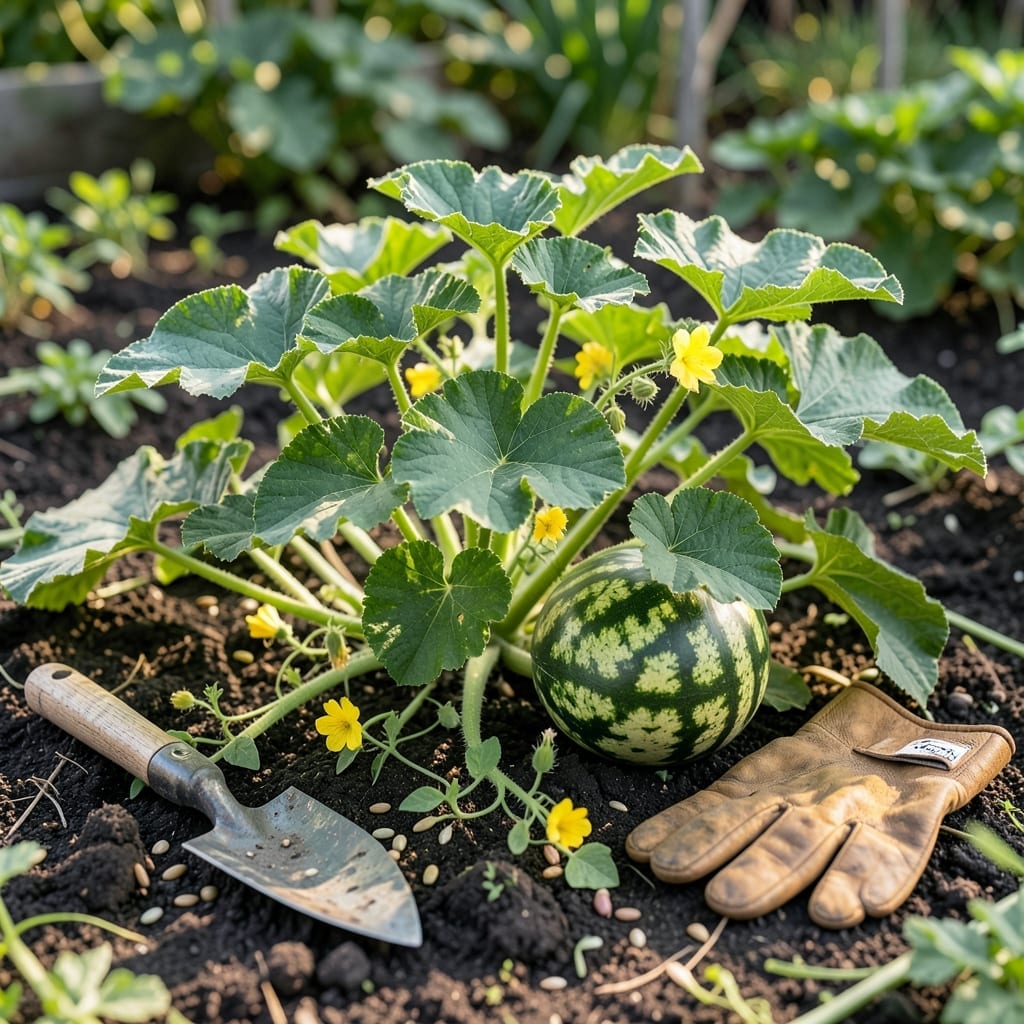
Timing is everything when it comes to growing juicy 🍉 Watermelon. Plant too early, and frost will kill your seedlings; plant too late, and you might miss the harvest window.
Discover the ideal planting schedule for your climate to ensure a bountiful crop. Whether you’re in Zone 6 or elsewhere, getting this right makes all the difference.
I’ll walk you through the best seasonal approach, soil prep tips, and how to avoid common mistakes. Let’s set you up for Watermelon success.

Getting the timing right for watermelon planting means the difference between a thriving crop and a disappointing one. I always check my USDA zone first because frost dates and soil warmth vary dramatically across regions.
The golden rule is waiting until soil reaches 70°F—cold earth stunts growth. In warmer zones, you can start earlier, while cooler areas need to wait until all frost danger has passed.
| USDA Zone | Planting Window | Soil Temp Requirement |
|---|---|---|
| Zones 3-4 | Late May to early June | 70°F+ |
| Zones 5-6 | Mid-April to late May | 70°F+ |
| Zones 7-8 | Early April to early May | 70°F+ |
| Zones 9-10 | March to early April | 70°F+ |
In Zone 6, where I garden, I aim for mid-April to late May. Our last frost is typically April 15, so I wait at least two weeks after that to be safe.
For cooler zones like 3-4, you’ll need to wait until late May or even early June. The soil simply won’t be warm enough before then, and watermelons hate cold roots.
If you’re in Zones 9-10, you can start as early as March. Your long growing season gives you flexibility, but avoid planting during unexpected late cold snaps.
I always use a soil thermometer to confirm temperatures. Even if the air feels warm, the soil might still be too cold. This small tool can save your entire crop.
Another trick I swear by is black plastic mulch. It warms the soil faster in spring and helps maintain consistent temperatures, which watermelons love.
Remember that microclimates matter too. A south-facing slope or urban heat island might let you plant a week or two earlier than your general zone suggests.
Finally, if you’re eager to get a head start, consider starting seeds indoors 2-3 weeks before transplanting. Just be sure to harden them off properly to avoid shock.
Preparing your soil and seedlings properly can mean the difference between a strong start and a struggling crop. I always begin by testing my soil’s temperature and fertility before planting.
Watermelons need warm soil—at least 70°F—and well-draining earth to thrive. If your soil is still cold, consider using black plastic mulch to speed up the warming process.
If you’re starting indoors, use peat pots or biodegradable containers to minimize root disturbance during transplanting. Keep the soil warm and moist, but not soggy, to encourage strong growth.
When transplanting, I always wait until after the last frost and choose a cloudy day to reduce stress on the plants. Space seedlings 3-5 feet apart to give vines room to spread.
For direct sowing, plant 1 inch deep and keep the soil consistently moist until germination. Thin seedlings to the strongest plant per hill once they have 2-3 true leaves.
I’ve found that adding compost or well-rotted manure to the soil before planting gives watermelons the nutrients they need for vigorous growth. Just avoid fresh manure, as it can burn tender roots.
Finally, watch for pests like cucumber beetles early on. Row covers can protect young plants while still allowing light and water through. ☀️