
Beautiful Plants For Your Interior
Beautiful Plants For Your Interior
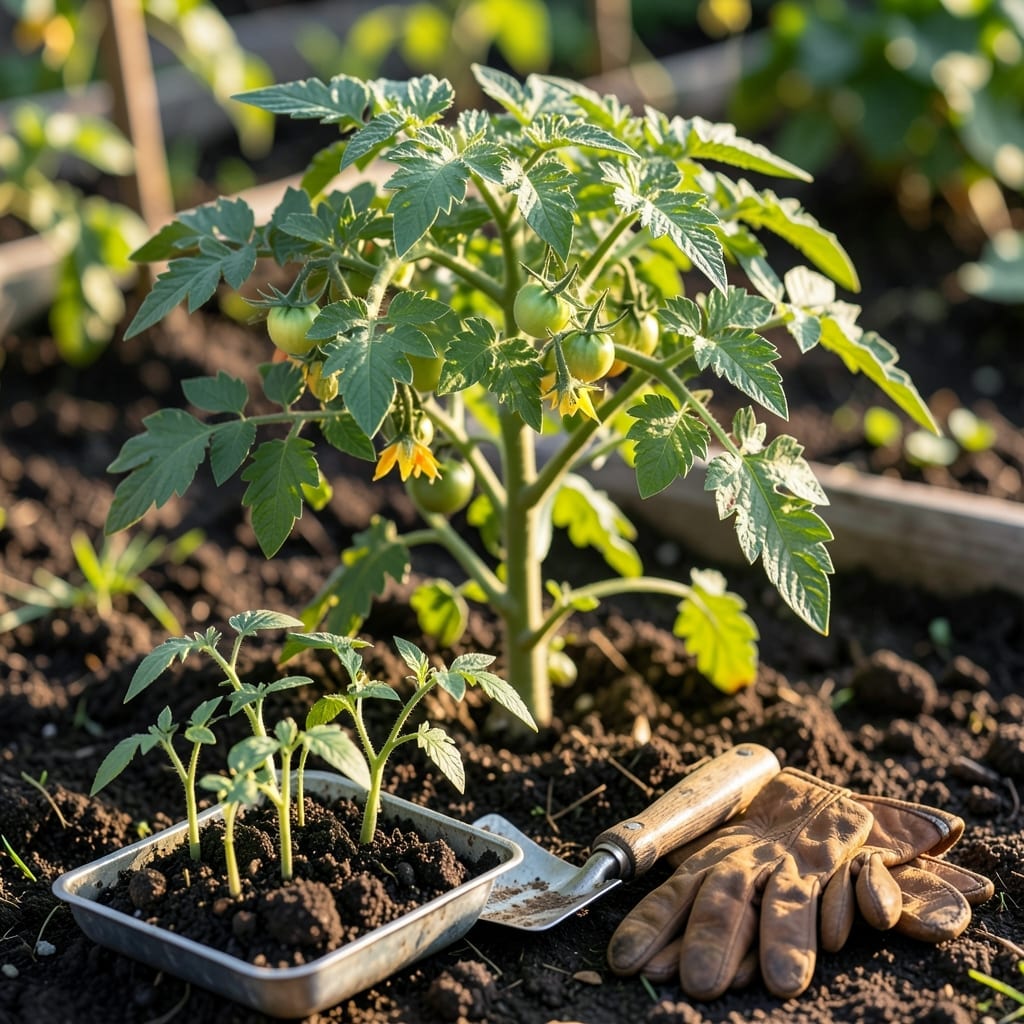
Timing is everything when it comes to growing Vegetables 🥕. Plant too early, and a late frost could wipe out your efforts. Wait too long, and you might miss the optimal growing window entirely.
I’ve seen gardeners struggle with poor yields simply because they didn’t align their planting with the season. The good news? There’s a simple way to get this right every time.
Whether you’re in zone 6 or adjusting for your local climate, knowing when to start can make all the difference. From cool-season crops to warm-weather favorites, the timing varies more than you might think.
Discover how to sync your planting schedule with nature’s rhythm for a harvest that’s both abundant and delicious.


Getting your planting timing right is the secret to a thriving vegetable garden. I’ve seen too many gardeners struggle because they planted tomatoes too early or missed the window for cool-season crops. Your USDA hardiness zone is the starting point.
For example, in Zone 6, I start peas and spinach in early spring, while peppers and eggplants wait until after the last frost. Knowing these frost dates helps avoid disaster.
| Vegetable | Zone 5-6 | Zone 7-8 | Zone 9-10 |
|---|---|---|---|
| Lettuce | March-April | Feb-March | Oct-Feb |
| Tomatoes | May | April | Jan-March |
| Carrots | April-May | March-April | Sept-Oct |
| Cucumbers | Late May | April-May | Feb-March |
I always remind gardeners that cool-season crops like kale and broccoli thrive in spring and fall. These can handle light frosts, so I plant them 4-6 weeks before the last frost date.
Warm-season vegetables like squash and beans need soil temps above 60°F. I wait until after the last frost and when the soil feels warm to the touch.
For Zone 9-10, the growing season is nearly year-round. I’ve seen gardeners plant tomatoes in January and harvest by April. But even here, heat-tolerant varieties are key in summer.
Don’t forget about succession planting. I plant radishes every 2 weeks for a continuous harvest. This works great with bush beans and lettuce too.
I also track my local weather patterns. If spring is unseasonably warm, I might plant peppers a week early. But I always have frost cloth ready for surprise cold snaps.
Remember, these are general guidelines. Your specific microclimate might allow for slight adjustments. I’ve found that south-facing slopes warm up faster in spring.
Finally, I keep a garden journal to track what worked and what didn’t. This helps me fine-tune my planting schedule each year for better results.
With these zone-based tips, you’ll maximize your harvest and minimize disappointments.
While USDA zones give you a solid starting point, I always remind gardeners that local microclimates can shift your planting window by weeks. A sunny south-facing slope might warm up 2-3 weeks earlier than a shady north side.
I’ve found that soil temperature is often more reliable than air temperature for timing. Use a soil thermometer to check—warm-season crops like tomatoes need at least 60°F at 4-inch depth.
I always check my local weather station data rather than relying on general zone advice. A late spring frost can wipe out tender seedlings, so I keep frost blankets handy just in case.
Another trick I use is succession planting. For crops like lettuce or radishes, I sow new seeds every 2 weeks to extend my harvest window.
Don’t forget to observe your garden’s specific conditions. If your tomato plants struggled last year, try planting them a week later this season to avoid that late cold snap. ☀️
Finally, I recommend keeping a garden journal to track what works. Note when you planted, when you harvested, and how the plants performed. This data becomes your personal planting guide over time. 🌱