
Beautiful Plants For Your Interior
Beautiful Plants For Your Interior
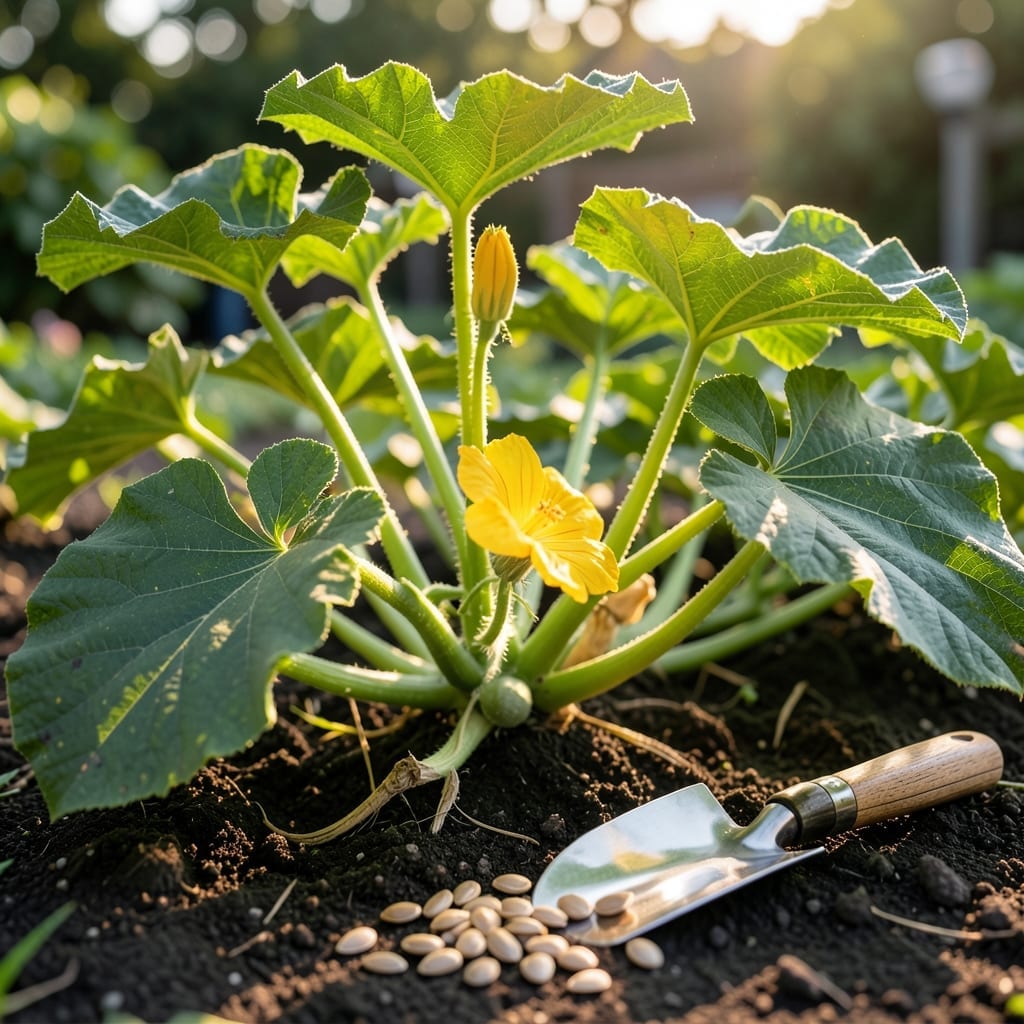
Timing is everything when it comes to planting 🎃 Pumpkin seeds. Plant too early, and frost can wipe out your crop; plant too late, and you’ll miss the harvest window.
In zone 6, the sweet spot is April to June, when soil warms up and frost risks fade. This timing gives your Pumpkins the full growing season they need to thrive.
Discover how to nail this window and set yourself up for a bountiful September to October harvest. Let’s dig in.

Getting the timing right for pumpkin seeds means understanding your climate zone. In cooler areas like Zone 3-4, wait until late May or early June when soil warms to 70°F and frost danger passes.
For Zone 5-6, mid-to-late April through June works perfectly. Southern zones like 7-9 can start as early as March, but avoid extreme heat which can stress young plants.
| Zone | Planting Window | Soil Temp |
|---|---|---|
| 3-4 | Late May-June | 70°F+ |
| 5-6 | Mid April-June | 65-70°F |
| 7-9 | March-May | 75°F+ |
| 10-11 | Feb-April | 80°F+ |
I always check my local frost dates as a starting point. The last spring frost date is your green light for planting, but soil temperature matters just as much as air temperature.
Use a soil thermometer to confirm conditions. Pumpkins need consistent warmth to germinate properly, and cold soil can delay or prevent sprouting entirely.
In my experience, direct sowing works best for pumpkins. They dislike being transplanted, so I plant seeds 1 inch deep in hills or rows, spacing them 3-5 feet apart to give vines room to sprawl.
For a head start, I’ve tried indoor seed starting 2-4 weeks before the last frost. But be careful—pumpkins grow quickly and can become root-bound if kept indoors too long.
Watch for regional variations too. Coastal areas might have cooler springs, while inland spots warm up faster. Adjust your planting date accordingly to hit that 90-120 day maturity window before first fall frost.
Remember that pumpkin varieties have different needs. Smaller types like ‘Jack Be Little’ mature faster (85 days), while giant pumpkins need 120-130 days of warm weather.
I’ve found that planting in late afternoon helps seeds settle in before the cooler night temperatures. And always water gently after planting to avoid displacing the seeds.
With the right timing, you’ll see sprouts in 5-10 days and be well on your way to a fantastic pumpkin harvest 🎃
Preparing your soil properly is the foundation for a great pumpkin harvest. I always start by testing my soil pH, aiming for 6.0-6.8 for optimal nutrient uptake.
Enrich the planting area with aged compost or well-rotted manure to improve fertility. Pumpkins are heavy feeders and need nutrient-rich soil to support their rapid growth.
For direct sowing, I create small planting hills about 12 inches high and 2 feet wide. This improves drainage and warms the soil faster in spring.
If starting indoors, use biodegradable pots to avoid disturbing roots during transplant. Keep seedlings under grow lights for 14-16 hours daily until ready to move outside.
Remember that seed spacing affects vine growth. I plant 4-5 seeds per hill, then thin to the 2 strongest seedlings once they have 2-3 true leaves.
Pumpkins need full sun (6+ hours daily) and consistent moisture. I mulch heavily with straw to retain moisture and suppress weeds as the vines spread. With proper prep, you’ll give your pumpkins the best start for a productive season 🌱