
Beautiful Plants For Your Interior
Beautiful Plants For Your Interior
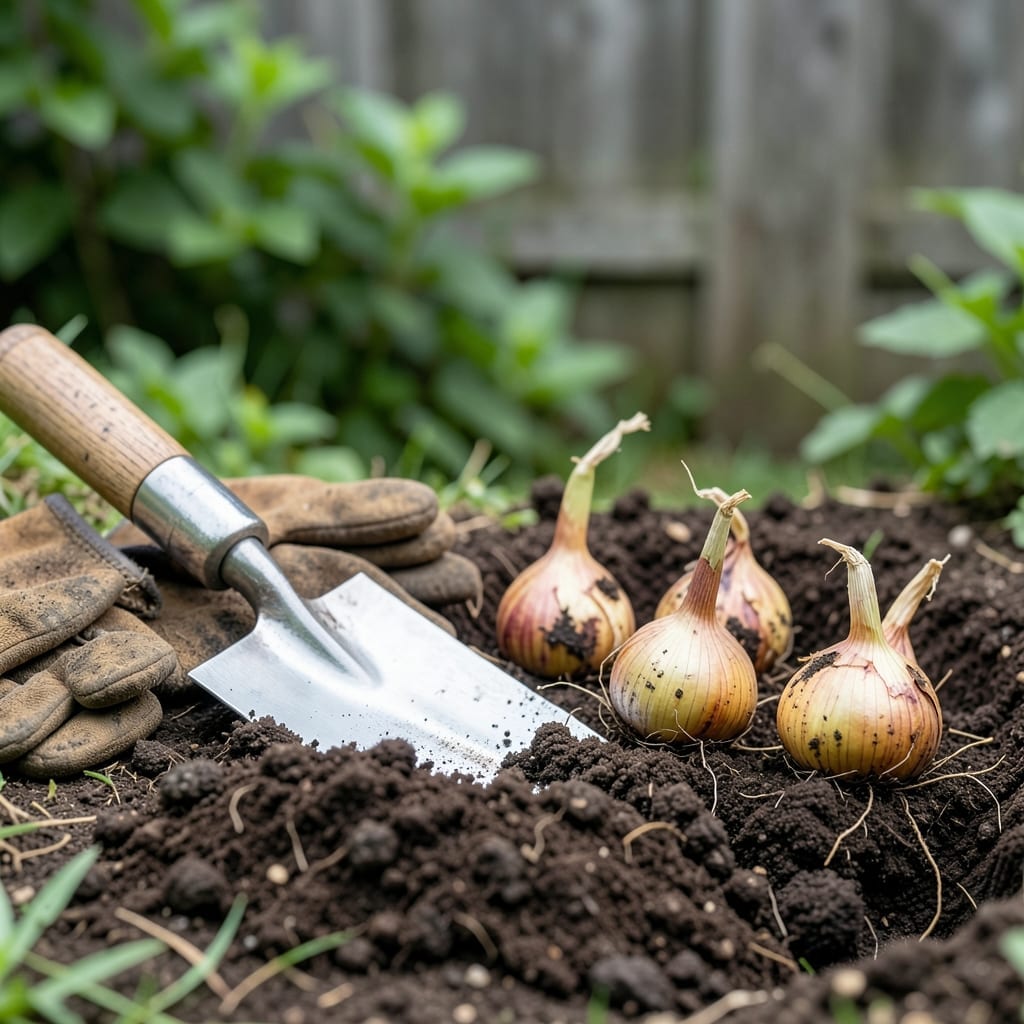
Timing is everything when planting Lilies—get it right, and you’ll be rewarded with vibrant, long-lasting blooms that become the centerpiece of your garden.
Get it wrong, and you risk stunted growth or no flowers at all. The difference between a thriving garden and a disappointing one often comes down to when you put those bulbs in the ground.
I’ve seen firsthand how planting at the optimal time transforms a garden. Whether you’re in zone 6 or adjusting for your local climate, there’s a sweet spot that ensures your 🌷 Lilies flourish.
Discover the precise windows for planting and how to prepare your soil for the best results. Let’s make this your most colorful season yet.

I’ve found that lilies thrive when planted at the right time for your USDA zone. In warmer climates, like zones 7-10, fall planting works best, giving bulbs time to establish before winter.
For cooler regions in zones 3-6, early spring or late fall planting ensures bulbs avoid frost damage while still getting the chill they need.
| Zone | Best Planting Time | Notes |
|---|---|---|
| 3-4 | Spring (April-May) | Avoid late fall frost risk |
| 5-6 | Fall (Sept-Oct) or Spring | Both seasons work well |
| 7-10 | Fall (Oct-Nov) | Allows root establishment before heat |
In zone 5-6, I recommend September to October planting. This gives bulbs 6-8 weeks to grow roots before the ground freezes, leading to stronger spring blooms.
For zone 7-8, October to November is ideal. The cooler soil prevents premature sprouting while allowing root development. I’ve seen this timing produce the most vibrant flowers.
Spring planting in zones 3-4 should wait until soil warms to at least 50°F. Planting too early risks rot in cold, wet soil.
In zone 9-10, November to December planting works best. The mild winters allow bulbs to establish without heat stress, and they’ll bloom beautifully in spring.
Remember that lily bulbs need a cold period to trigger blooming. In warmer zones, you might need to pre-chill bulbs for 6-8 weeks before planting.
For container planting, timing is more flexible. I’ve successfully grown lilies in pots year-round in zone 7 by providing artificial chill in winter.
No matter your zone, always plant bulbs 4-6 inches deep in well-draining soil. This depth protects against temperature swings and ensures strong anchor for tall stems 🌷
Planting lilies at the right depth and in the proper soil makes all the difference in their growth. I always start by choosing a sunny spot with at least 6 hours of direct light daily.
Before planting, I loosen the soil to about 12 inches deep and mix in compost or well-rotted manure. This improves drainage and provides essential nutrients for the bulbs.
After planting, I water deeply to settle the soil around the bulbs. This helps eliminate air pockets and ensures good root-to-soil contact, which is crucial for establishment.
For best results, I space lily bulbs about 8-12 inches apart. This gives them enough room to grow without competing for nutrients, and it looks great when they bloom in clusters.
I always mulch around my lilies with a 2-inch layer of organic material. This keeps the soil temperature consistent and helps retain moisture during dry spells.
Remember that lilies are heavy feeders. I apply a balanced fertilizer every 4-6 weeks during the growing season to support strong stems and vibrant blooms 🌷