
Beautiful Plants For Your Interior
Beautiful Plants For Your Interior
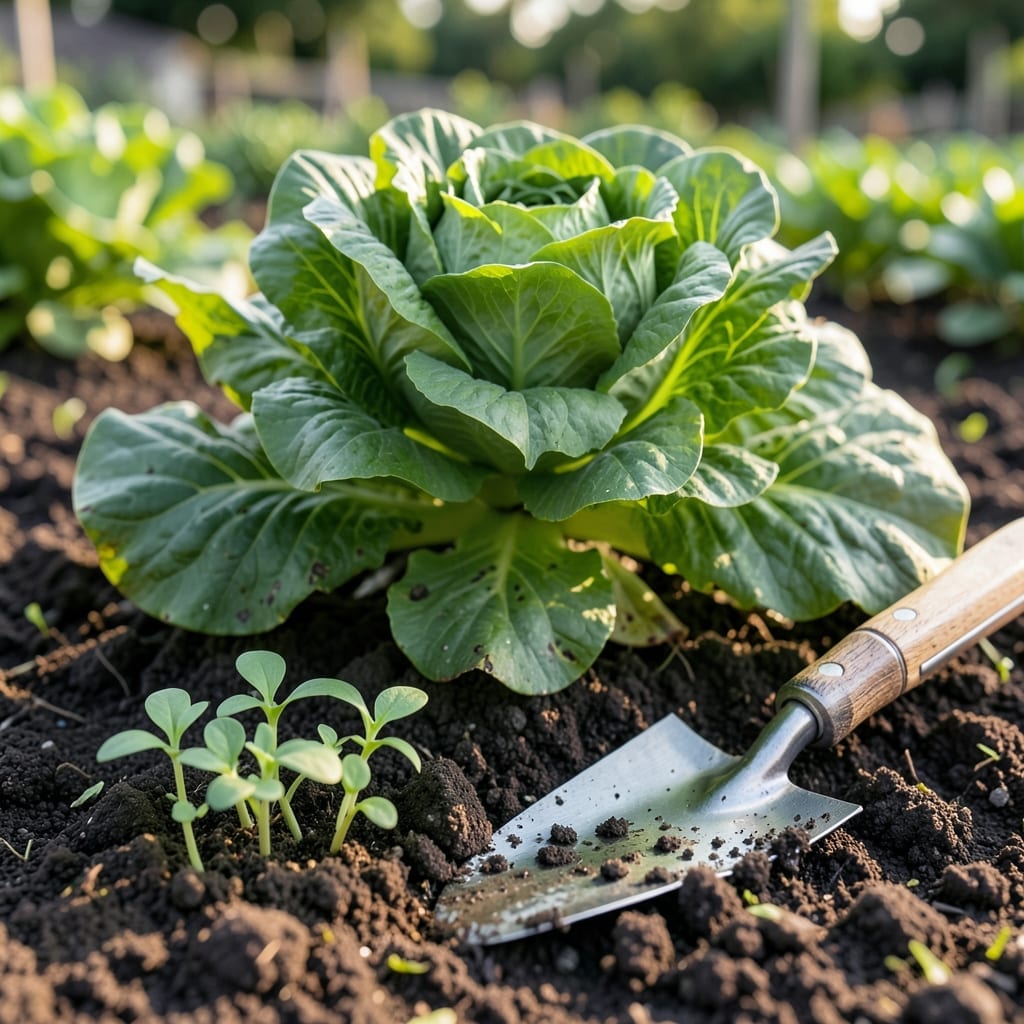
Timing is everything when it comes to growing crisp, flavorful 🥬 Lettuce. Plant too late, and you’ll battle bolt-prone leaves in the summer heat.
Start too early without protection, and frost may ruin your crop. Getting this right means the difference between a bountiful harvest and disappointment.
I’ve learned through trial and error that Lettuce thrives in cool seasons, but the exact window depends on your climate. Whether you’re in Zone 6 or elsewhere, nailing the timing is the key.
Discover how to align your planting schedule with nature’s rhythm for the freshest, most flavorful greens all season long.

As a cool-season crop, lettuce thrives when temperatures stay between 40°F and 70°F. Planting at the right time ensures tender leaves instead of bitter, bolted heads. I’ve found success by aligning plantings with local frost dates.
In most regions, you’ll want to start 2-4 weeks before the last spring frost or 6-8 weeks before the first fall frost. This timing avoids the stress of summer heat while maximizing growth windows.
| USDA Zone | Spring Planting | Fall Planting |
|---|---|---|
| Zones 3-4 | April-May | July-August |
| Zones 5-6 | March-April | August-September |
| Zones 7-8 | February-March | September-October |
| Zones 9-10 | October-November | January-February |
For Zone 6 gardeners like me, March to April is ideal for spring crops, while August to September works best for fall harvests. These windows avoid the summer heat that triggers bolting and bitterness.
In warmer zones like 9-10, lettuce grows well as a winter crop. The cool temperatures prevent premature seeding, and you can harvest fresh leaves all season long.
For cold climates in Zones 3-4, April-May plantings work best for spring, while July-August gives you a fall crop before winter sets in. Always watch for late frosts!
I always check my local frost dates to fine-tune these windows. A soil thermometer helps too—lettuce seeds germinate best when soil temps hit 40°F to 50°F.
Don’t forget that succession planting can extend your harvest. By planting new seeds every 2-3 weeks, you’ll have fresh lettuce ready as older plants finish.
Shade cloth can be a game-changer in areas with hot afternoons. I use 30-40% shade cloth to protect spring plantings when temperatures start climbing above 75°F.
Remember, lettuce varieties matter too. Heat-tolerant types like Romaine or Buttercrunch handle warmer temps better than delicate Butterhead varieties.
With the right timing and care, you’ll enjoy crisp, sweet leaves all season long 🌱
Succession planting is my secret weapon for continuous lettuce harvests. Instead of planting all seeds at once, I stagger them every 2-3 weeks to ensure fresh greens throughout the growing season.
This method works especially well in cool climates where spring and fall offer extended growing windows. I start my first batch 2-4 weeks before the last frost, then plant more every few weeks until temperatures rise above 75°F.
For fall crops, I begin planting again in late summer, about 6-8 weeks before the first expected frost. This timing allows plants to mature before cold weather sets in.
I’ve found that loose-leaf varieties like Black Seeded Simpson work best for succession planting. They mature quickly and allow me to harvest outer leaves while the center continues growing.
With proper succession planting and variety selection, I enjoy fresh lettuce from early spring through late fall, often with just a short break during the hottest summer months 🌱