
Beautiful Plants For Your Interior
Beautiful Plants For Your Interior
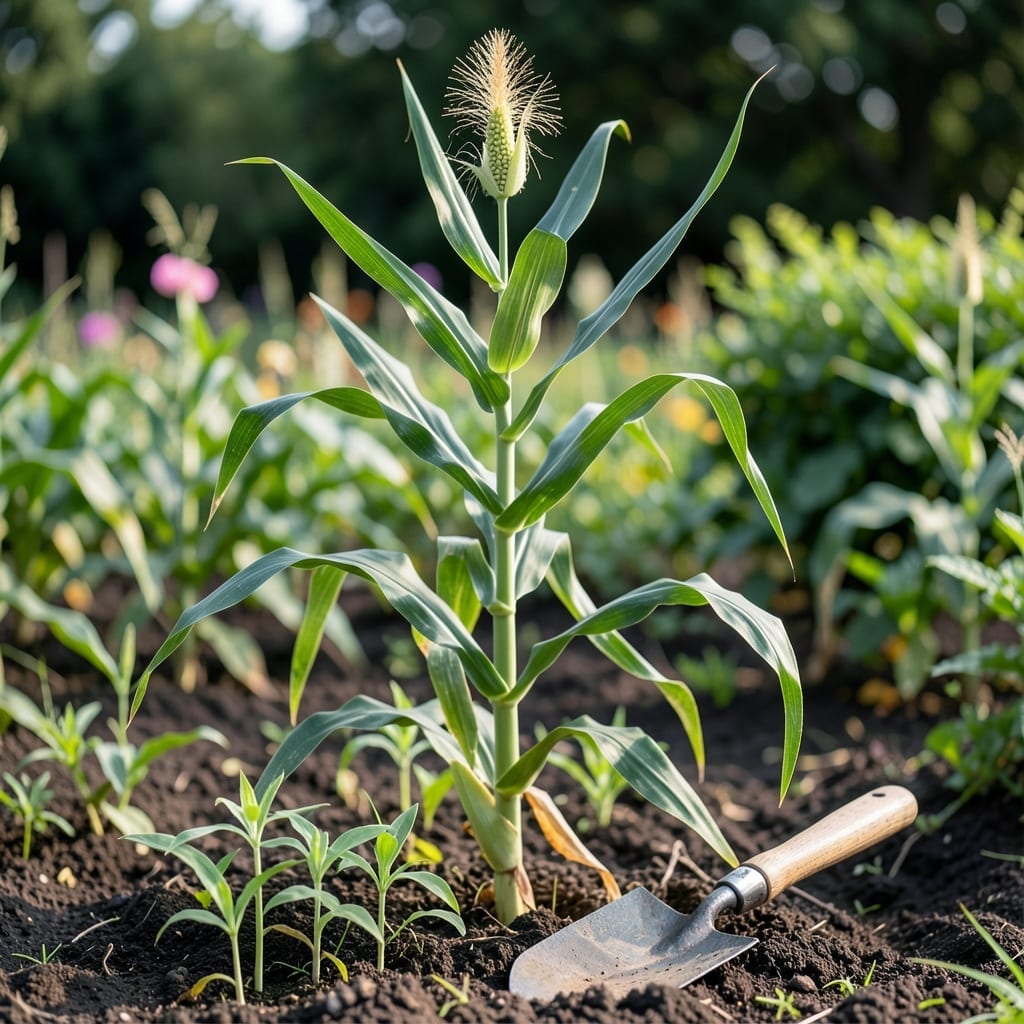
Planting 🌽 Corn at the right time can make or break your harvest. Whether you’re a seasoned grower or just starting out, nailing the timing is the key to sweet, plump ears come summer.
In zone 6a, the sweet spot is late April to May, when soil warms to 60°F. But what if you’re in a different climate? I’ll help you decode your local planting window.
Discover how to read your region’s signals and avoid common mistakes that could stall your crop. Let’s get your Corn off to the best possible start.
Timing your corn planting right means the difference between strong stalks and struggling sprouts. Soil temperature is the secret—corn seeds won’t germinate below 50°F, and 60°F is ideal. ☀️
In warmer zones like 8-10, you can start as early as March. Cooler areas like zones 4-5 should wait until late May to avoid frost damage. 🌱
| USDA Zone | Planting Window | Soil Temp |
|---|---|---|
| 4-5 | Late May – Early June | 60°F+ |
| 6-7 | Mid April – May | 60-65°F |
| 8-10 | March – Early April | 65°F+ |
For zone 6a, where I often plant, late April to early May works perfectly. The last frost date has passed, and the soil has warmed enough for quick germination. 🌿
If you’re in zone 9, you can even plant a second crop in late summer for a fall harvest. Just ensure you have 90 frost-free days before the first frost hits.
Pro tip: Use a soil thermometer to check conditions at 2-inch depth. If it reads 60°F for 3 consecutive days, you’re good to go. 🌡️
In cooler climates, consider black plastic mulch to speed up soil warming. This trick can give you a 2-week head start in the season.
For sweet corn, timing is even more critical. Plant too early, and the kernels may not fill out properly. Too late, and you risk poor pollination due to extreme heat.
Always cross-check with your local extension office for microclimate variations. They often provide hyper-local advice that general zone guides miss. ✂️
Remember, corn is wind-pollinated, so planting in blocks of 3-4 rows improves pollination rates. Single long rows often result in spotty kernel development. 🌾
Finding your perfect planting time for corn starts with knowing your last frost date. I always check mine first—it’s the foundation for timing. Most regions have 120-140 frost-free days, ideal for corn’s growth cycle. ☀️
Next, grab a soil thermometer and test at 2-inch depth. Corn needs 60°F minimum to germinate, but 65°F-70°F is optimal for fast, strong sprouts. If your soil is cooler, wait a few more days. 🌡️
I also watch the 10-day forecast before planting. A late cold snap can stunt young plants. If night temps dip below 50°F, I hold off. Corn hates cold, and chilled seeds may rot in the ground. 🌱
In my experience, mid-morning planting helps too. The soil has warmed from the sun, but it’s not yet scorching. This gives seeds the best start. Plus, I can water them in before the hot afternoon hits. 💧
Don’t forget to consider your corn variety. Early types mature in 60-70 days, while late varieties need 90-100 days. Match your planting time to the variety’s needs and your available growing season.
Finally, I mark my planting dates on a calendar. This helps me track progress and plan for future seasons. Consistency is key—each year, I refine my timing based on what worked best before. ✂️