
Beautiful Plants For Your Interior
Beautiful Plants For Your Interior
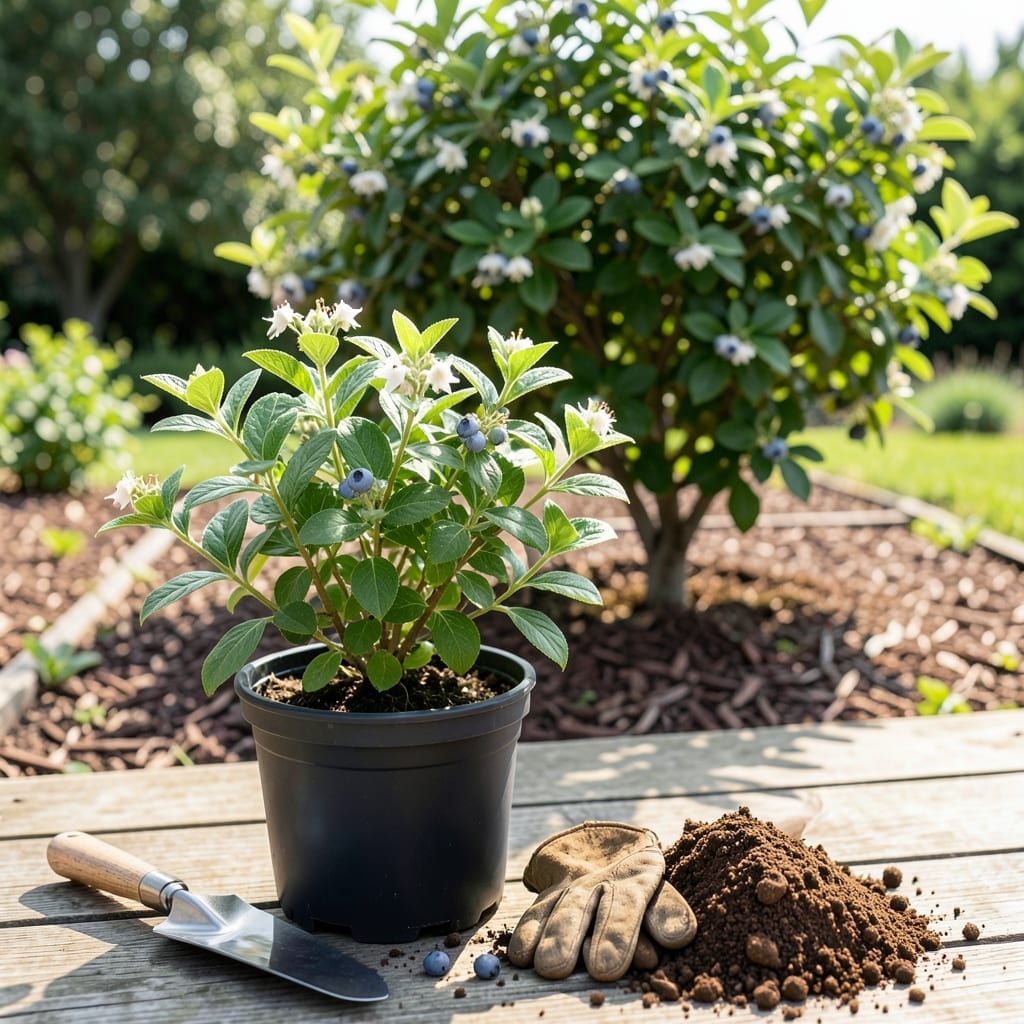
Planting blueberries at the right time can mean the difference between a bountiful 🫐 harvest and a struggling shrub. Timing depends on your climate zone, and getting it wrong could set back your Blueberry plants for years.
I’ve seen gardeners in zones 4-7 achieve amazing results by following simple seasonal guidelines. The key is understanding how your local weather patterns affect these delicate plants.
Let me walk you through the most important considerations for planting Blueberry bushes that will thrive and produce for years to come.

Timing your blueberry planting perfectly ensures strong root development and future fruit production. I’ve found that early spring and fall are ideal for most regions, but exact timing varies by zone.
In cold climates (zones 4-5), plant as soon as the soil is workable in early spring. This gives roots time to establish before winter. Fall planting works too, but avoid late frosts.
| USDA Zone | Best Time to Plant | Secondary Window |
|---|---|---|
| 4-5 | Early Spring (April) | Fall (September) |
| 6-7 | Early Spring (March-April) | Fall (October-November) |
| 8-9 | Late Fall (November) | Early Spring (February-March) |
For warmer zones (6-7), you have more flexibility. I recommend March to April for spring planting, or October to November for fall. The soil stays warm longer, aiding root growth.
In mild climates (zones 8-9), fall planting is often better. The cooler temperatures reduce stress on young plants, and winter rains help establish roots before spring growth.
Always check your local frost dates to avoid planting too close to freezing temperatures. I’ve seen plants struggle when exposed to late frosts after early spring planting.
Aim to plant at least 4-6 weeks before your first expected frost in fall, or after the last frost in spring. This buffer ensures your blueberry bushes aren’t shocked by temperature swings.
If you’re in a region with hot summers, fall planting gives your bushes a head start. The cooler weather reduces water stress and helps roots spread before summer heat arrives.
For container-grown blueberries, you can plant year-round in mild climates. Just protect the pots from extreme temperatures and ensure consistent watering.
Remember, soil preparation is just as important as timing. Test your soil pH and amend it to 4.5-5.5 before planting, regardless of the season. This acidity is crucial for blueberry health.
I always tell gardeners that patience pays off. Even with perfect timing, blueberries take 2-3 years to produce a full harvest. But get the timing right, and you’ll be rewarded with decades of fruit 🌱
While timing is crucial, I’ve learned that several other factors can make or break your blueberry planting success. Even with perfect timing, neglecting these elements often leads to poor growth or low yields.
First and foremost, soil pH is non-negotiable. Blueberries thrive in acidic soil with a pH between 4.5 and 5.5. I always test my soil before planting and amend it with sulfur or peat moss if needed.
Drainage is another critical factor. Blueberry roots can’t tolerate soggy soil. I recommend planting in raised beds if your garden has heavy clay soil.
Sunlight exposure directly impacts fruit production. Aim for at least 6-8 hours of direct sunlight daily. In my experience, bushes in full sun produce significantly more berries than those in partial shade.
Don’t overlook companion planting. I’ve had success planting blueberries near thyme or rhododendrons, which share similar soil preferences. Avoid planting near walnut trees, as they release juglone, a chemical that inhibits blueberry growth.
Finally, variety selection matters. Choose a type suited to your climate zone and desired harvest time. Early, mid, and late-season varieties can extend your harvest window from early summer to early fall 🌿