
Beautiful Plants For Your Interior
Beautiful Plants For Your Interior
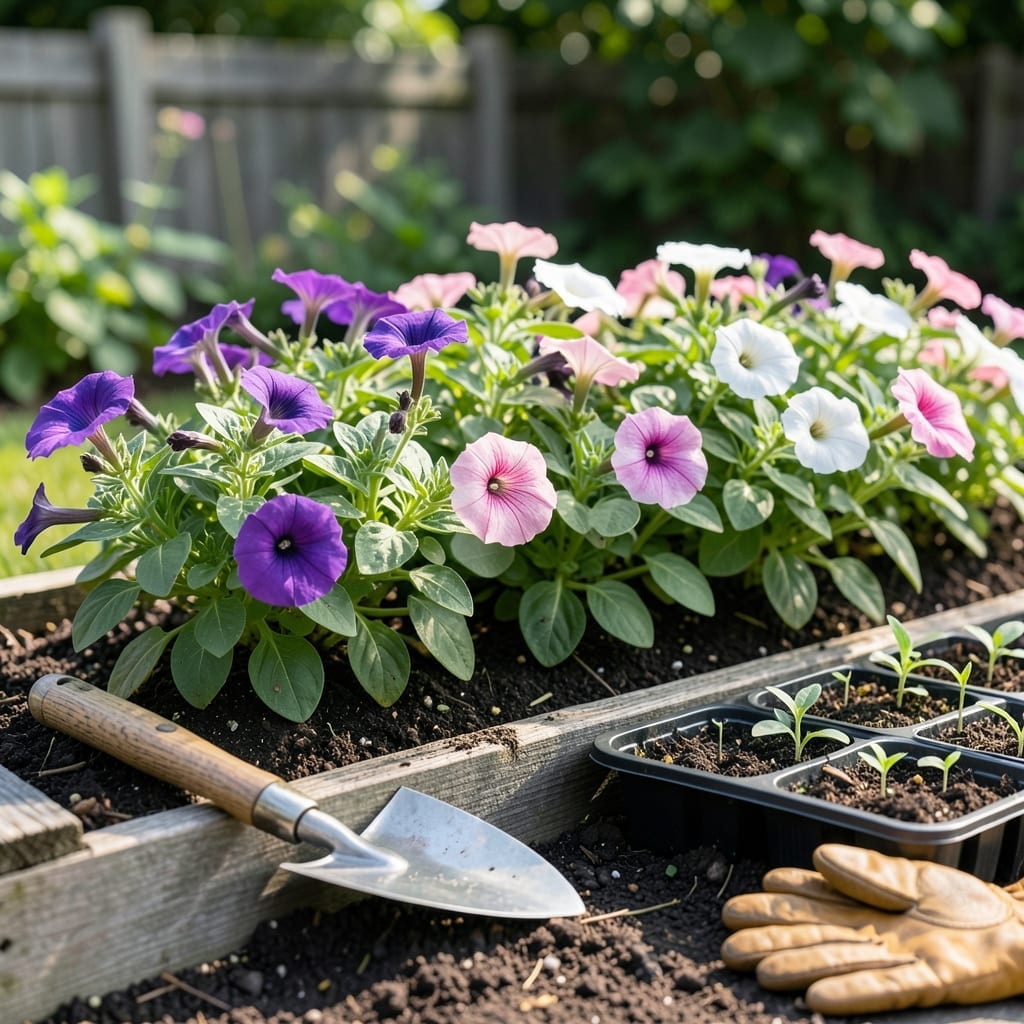
Timing is everything when it comes to planting 🌼 Annuals. Plant too early, and a surprise frost could wipe out your garden overnight. Plant too late, and you might miss the peak blooming season entirely.
I’ve learned the hard way that waiting for the right moment makes all the difference. In Zone 6, that sweet spot arrives after the last frost, usually in April or May.
But it’s not just about the calendar—soil temperature and weather patterns play a role too. Let me show you how to read the signs and plant with confidence.
Discover the simple tricks to ensure your garden bursts with color from the very first bloom. It’s easier than you think!

I always tell gardeners that the best time to plant annuals starts with knowing your local frost dates. These dates mark the last spring frost and first fall frost, creating your frost-free window. In most regions, this spans 120 to 180 days, giving annuals time to grow and bloom.
Your USDA hardiness zone is another key factor. It helps determine which plants thrive in your climate. For example, in Zone 6, the last frost is typically around April 15, making early May ideal for planting tender annuals like petunias or marigolds.
| Requirement | Specification |
|---|---|
| Last Frost (Zone 6) | April 15 |
| First Frost (Zone 6) | October 15 |
| Frost-Free Days | 180 days |
| Ideal Planting Months | April – May |
Cool-season annuals like pansies and snapdragons can handle light frosts, so I often plant them 2-3 weeks before the last frost date. This gives them a head start in cooler weather, ensuring early blooms.
For warm-season annuals such as zinnias or impatiens, waiting until after the last frost is crucial. These plants thrive in warm soil, typically 60°F or higher. Planting them too early can stunt their growth or even kill them.
I recommend checking your local weather service or gardening extensions for precise frost dates. These can vary by 1-2 weeks even within the same zone due to microclimates. A quick online search for “last frost date + your city” usually does the trick.
Soil temperature is another critical factor. Use a soil thermometer to check that the top 4-6 inches are warm enough. For most annuals, 55-60°F is the sweet spot for root development and strong early growth.
If you’re eager to start earlier, consider using row covers or cloches to protect tender plants from late frosts. These tools can extend your planting window by 2-4 weeks, giving you a jump on the growing season.
Remember, these guidelines are just that—guidelines. I always suggest observing your garden’s specific conditions. Factors like sun exposure, wind patterns, and urban heat islands can create unique microclimates in your yard.
Finally, keep a gardening journal to track your planting dates and results. Over time, you’ll develop a personalized calendar that works perfectly for your space. This practice has helped me fine-tune my planting schedule to maximize bloom time year after year. 🌼
Choosing the right annual flowers for your climate zone ensures a vibrant garden. In cool regions, like Zone 4-5, pansies and snapdragons thrive when planted in early spring.
For warmer zones like 7-9, heat-loving annuals such as marigolds or zinnias do best when sown after the last frost, typically in late April or May. 🌼
| Variety | Best Planting Time | Ideal Zone |
|---|---|---|
| Pansies | Early spring | 4-6 |
| Marigolds | After last frost | 7-9 |
| Petunias | Late spring | 5-11 |
In mild coastal areas, you can often plant annuals year-round, but fall planting is ideal for winter blooms like calendula or stock.
For desert climates, drought-tolerant annuals such as portulaca or gazania perform best when planted in spring to avoid summer heat stress.
Always check your local frost dates and soil temperature. A soil thermometer is a handy tool to confirm it’s at least 60°F for most warm-season annuals. 🌡️
I’ve found that succession planting every 2-3 weeks keeps my garden in continuous bloom. Try mixing fast growers like nasturtiums with slower ones for long-lasting color.
Remember, container gardening gives you flexibility. You can start annuals indoors and move them outside once the weather warms.