
Beautiful Plants For Your Interior
Beautiful Plants For Your Interior
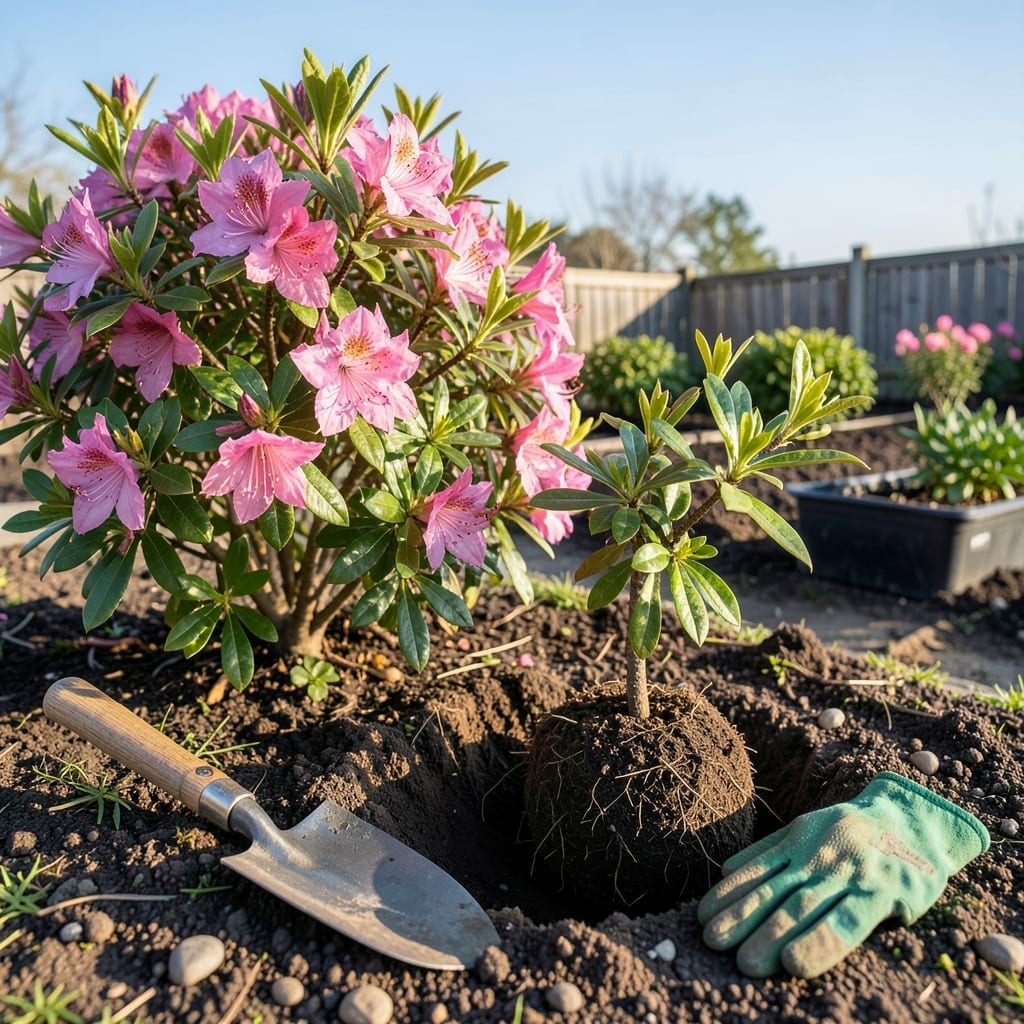
Moving your 🌸 Azalea at the wrong time can set back its growth for years. I learned this the hard way after watching mine struggle through a sweltering summer transplant.
Timing is everything when it comes to giving these shrubs the best chance to thrive. The key lies in understanding their natural cycles and needs.
Let me walk you through the ideal seasonal window and conditions to discover how to make your next Azalea move a success.
I’ve found that early fall or late winter to early spring are the prime windows for moving azaleas. These seasons align perfectly with the plant’s dormant period, reducing stress and giving roots time to establish.
During dormancy, azaleas focus their energy on root growth rather than foliage or blooms. This means they’ll recover faster and settle into their new home with minimal shock. I always aim for cooler temperatures and moderate moisture in the soil.
| Season | Months | Why It Works |
|---|---|---|
| Early Fall | September-November | Cool temps, soil stays moist |
| Late Winter | February-March | Dormant, pre-spring growth |
| Early Spring | March-April | New roots establish before heat |
I avoid moving azaleas during summer heat or winter freezes. The stress of extreme temperatures can weaken the plant and stunt its growth for years. I learned this the hard way with a summer transplant that barely survived.
Another key factor is soil moisture. Azaleas prefer well-draining but consistently moist soil. Transplanting in fall or early spring ensures the soil stays damp enough to support new root growth without waterlogging.
If you’re in a warmer climate, aim for late fall or early winter. In cooler regions, early spring just after the last frost is ideal. This timing gives the plant a full growing season to recover.
I also check the weather forecast before moving azaleas. A stretch of mild, overcast days is perfect. It reduces transplant shock and helps the plant adjust to its new environment more smoothly.
For best results, I water deeply a few days before transplanting. This ensures the root ball stays intact and hydrated during the move. It’s a simple step that makes a big difference in success rates.
After transplanting, I mulch around the base with 2-3 inches of organic mulch. This helps retain moisture and keeps soil temperatures stable, which is crucial for root establishment.
Lastly, I avoid fertilizing right after moving azaleas. The plant needs time to settle in. I wait until I see new growth before introducing any fertilizers to avoid burning the sensitive new roots. 🌸
I always start by preparing the new hole before digging up the azalea. This ensures the plant spends minimal time out of the ground, reducing transplant shock. I make the hole twice as wide as the root ball but just as deep.
Next, I water the azalea deeply 2-3 days before moving it. This keeps the root ball intact and hydrated during the transplant. It’s a crucial step I never skip.
When digging, I use a sharp spade to cut a wide circle around the plant. The wider the root ball, the better the chances of success. I aim for at least 12 inches from the trunk for mature azaleas.
I gently lift the plant using the tarp to avoid breaking roots. Then, I place it in the new hole at the same depth it was growing before. I’ve found that planting too deep can suffocate the roots.
After backfilling with soil, I water deeply to remove air pockets. This helps the soil settle around the roots. I also add a 2-inch layer of mulch to keep the soil moist and cool.
For the first few weeks, I check soil moisture daily. Azaleas need consistent moisture during this critical period. I avoid fertilizing until I see new growth, which usually appears in 4-6 weeks. 🌸