
Beautiful Plants For Your Interior
Beautiful Plants For Your Interior
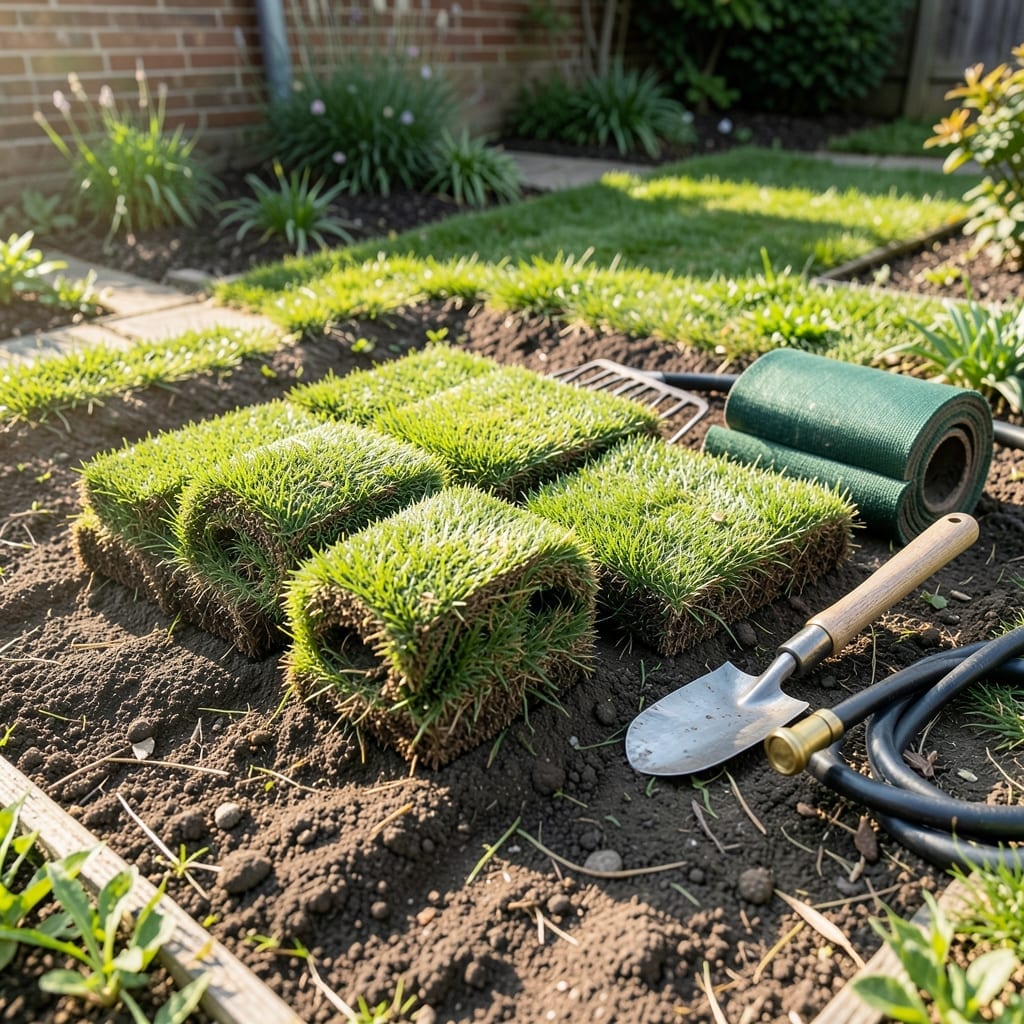
Timing is everything when laying Sod in Alabama—get it right, and you’ll have a lush lawn that thrives in the state’s unique climate.
I’ve seen too many homeowners struggle with patchy, weak grass because they planted at the wrong time. The difference between success and frustration often comes down to just a few weeks.
Let me show you when to roll out that fresh Sod for the best results, so your yard stays green and resilient year-round.
In Alabama, timing your sod installation correctly can make or break your lawn. The state’s humid subtropical climate offers two prime windows: spring and fall, when conditions are just right for root establishment.
I’ve found that March through May and September through October give sod the best chance to thrive. These seasons avoid the extremes of summer heat and winter cold, which can stress new grass.
| Season | Soil Temperature | Moisture Levels | Best For |
|---|---|---|---|
| Spring (March-May) | 50-65°F | High, frequent rain | Warm-season grasses |
| Fall (Sept-Oct) | 60-70°F | Moderate, steady | Cool-season recovery |
Spring planting benefits from warm soil and abundant rainfall, which help roots establish quickly. However, be mindful of late frosts in North Alabama, which can damage tender new sod.
Fall planting is my top recommendation for most homeowners. The cooler temperatures reduce heat stress, and the soil stays warm enough to encourage root growth before winter dormancy.
In South Alabama, you can start laying sod as early as late February, while North Alabama homeowners should wait until mid-March to avoid frost damage. Always check the soil temperature—it should be at least 50°F at a 4-inch depth.
Summer sod installation is risky in Alabama. The intense heat and drought conditions can cause new sod to dry out or fail to root, even with diligent watering. If you must plant in summer, choose drought-tolerant varieties like Bermuda grass.
Winter planting is generally not recommended. Dormant sod won’t establish roots effectively, and cold snaps can kill new grass before it takes hold. The exception is late fall in South Alabama, where mild winters allow for some root growth.
For the best results, aim to lay sod when air temperatures are between 60-75°F. This range provides ideal conditions for root establishment without stressing the grass. Also, plan your project for a cloudy day or early morning to reduce transplant shock.
Remember, soil preparation is just as important as timing. Test your soil’s pH level—Alabama sod thrives in slightly acidic to neutral soil (pH 6.0-7.0). Amend with lime or sulfur as needed before laying sod.
Finally, watering is critical in those first two weeks. Keep the sod and underlying soil consistently moist but not waterlogged. I recommend 1 inch of water per day, applied in the early morning to reduce evaporation and fungal risks.
Choosing the right sod variety is just as important as timing. Alabama’s hot, humid summers and mild winters demand warm-season grasses that can handle the heat and moisture. I’ve tested several types, and a few stand out.
Bermuda grass is my top pick for most Alabama lawns. It thrives in full sun, handles drought conditions well, and recovers quickly from wear. However, it does require regular mowing and can be invasive in flower beds.
| Grass Type | Sun Needs | Drought Tolerance | Ideal Planting Time |
|---|---|---|---|
| Bermuda | Full sun | High | Late spring |
| Zoysia | Full sun to partial shade | Moderate | Late spring to early summer |
| Centipede | Partial sun | Low | Spring or fall |
| St. Augustine | Partial to full sun | Low | Spring |
Zoysia grass is another excellent choice, especially if your yard has some shaded areas. It’s slow-growing, which means less mowing, but it can take longer to establish. Centipede grass is low-maintenance and does well in acidic soils, common in Alabama.
For homeowners with shadier lawns, St. Augustine grass is a solid option. It tolerates poor drainage better than other types but requires more water and is less drought-tolerant. I recommend it for coastal areas where humidity is higher.
No matter which variety you choose, proper installation is key. Lay sod on well-prepared soil, free of debris and weeds. Use a roller to ensure good contact between the sod and soil, which prevents air pockets that can dry out roots.
After laying sod, water deeply for the first two weeks. I suggest 1 inch of water every 2-3 days, then gradually reduce frequency as roots establish. Avoid walking on new sod for at least 2 weeks to prevent damage. 🌱