
Beautiful Plants For Your Interior
Beautiful Plants For Your Interior
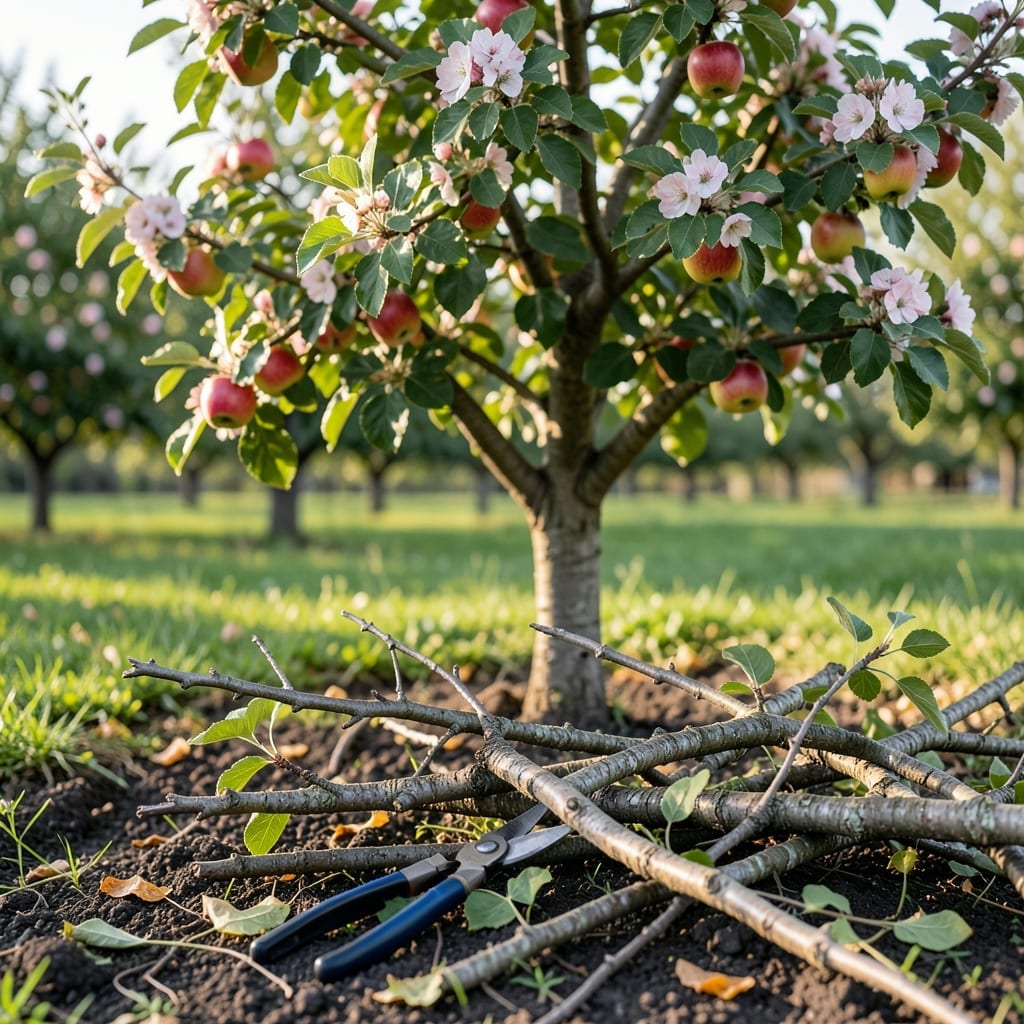
Timing your apple tree trimming correctly can mean the difference between a bountiful harvest and stunted growth. I’ve seen firsthand how the right schedule transforms a struggling 🍎 Apple Tree into a thriving one.
Late winter emerges as the most effective window for this essential task. It’s when the tree is still dormant but gearing up for spring growth.
In USDA Zone 6, this timing helps prevent disease while promoting vigorous new growth. The tree heals faster from cuts made during this period.
Discover how to align your pruning with nature’s rhythm for healthier trees and better fruit production this season.
I’ve found that late winter pruning gives apple trees the best start for healthy growth. This timing aligns with the tree’s dormant season, reducing stress and minimizing disease risk. The tree focuses its energy on healing wounds rather than supporting new growth.
The ideal window is typically 4-6 weeks before bud break, which varies by USDA zone. For most regions, this falls between January and March. Pruning now allows cuts to dry and callus over before spring growth begins.
During dormancy, fungal diseases like fire blight are less active, so fresh cuts are less likely to get infected. This is especially important for apple trees, which are susceptible to infections when pruned at the wrong time.
Another advantage is better wound healing. In late winter, the tree’s metabolism is slow, so it can focus on sealing pruning cuts. This leads to stronger regrowth when spring arrives, setting the stage for a productive growing season.
I also consider the tree’s energy conservation. Pruning before new growth starts means the tree doesn’t waste energy on branches that will be removed. Instead, it directs resources toward fruit production and healthy development.
Bud differentiation is another key factor. By late winter, apple trees have already set their fruit buds, so pruning now helps shape the tree without risking the loss of potential apples. This timing ensures you retain the best branches for a bountiful harvest.
For gardeners in colder USDA zones, like zone 4 or 5, aim for the later part of winter to avoid frost damage to fresh cuts. In warmer zones, like 7 or 8, you can start pruning as early as January.
If you’re unsure about your specific zone, I recommend checking your local frost dates. Prune when the coldest part of winter has passed but before the tree starts to bud out. This balance ensures the tree has time to recover and prepare for spring.
Finally, pruning in late winter gives you a clear view of the tree’s structure. With no leaves, it’s easier to spot dead or diseased wood and make precise cuts. This improves airflow and sunlight penetration, which are critical for fruit quality and tree health. ✂️
I always recommend late winter pruning for apple trees because it minimizes stress on the tree while maximizing growth potential. This timing helps avoid disease spread and ensures optimal healing before spring growth begins.
Before you start, gather sharp pruning shears, loppers, and safety gear. I find that clean tools prevent infection risks and make the process smoother for both you and the tree.
For young apple trees, focus on establishing a strong central leader and well-spaced scaffold branches. This creates a solid foundation for future growth and fruit production.
After pruning, I always clean up debris around the tree to prevent pests and diseases from taking hold. A thin layer of mulch can help protect the roots as spring approaches.
Finally, sanitize your tools between trees to avoid cross-contamination. This simple step can save you from spreading problems throughout your orchard ✂️