
Beautiful Plants For Your Interior
Beautiful Plants For Your Interior
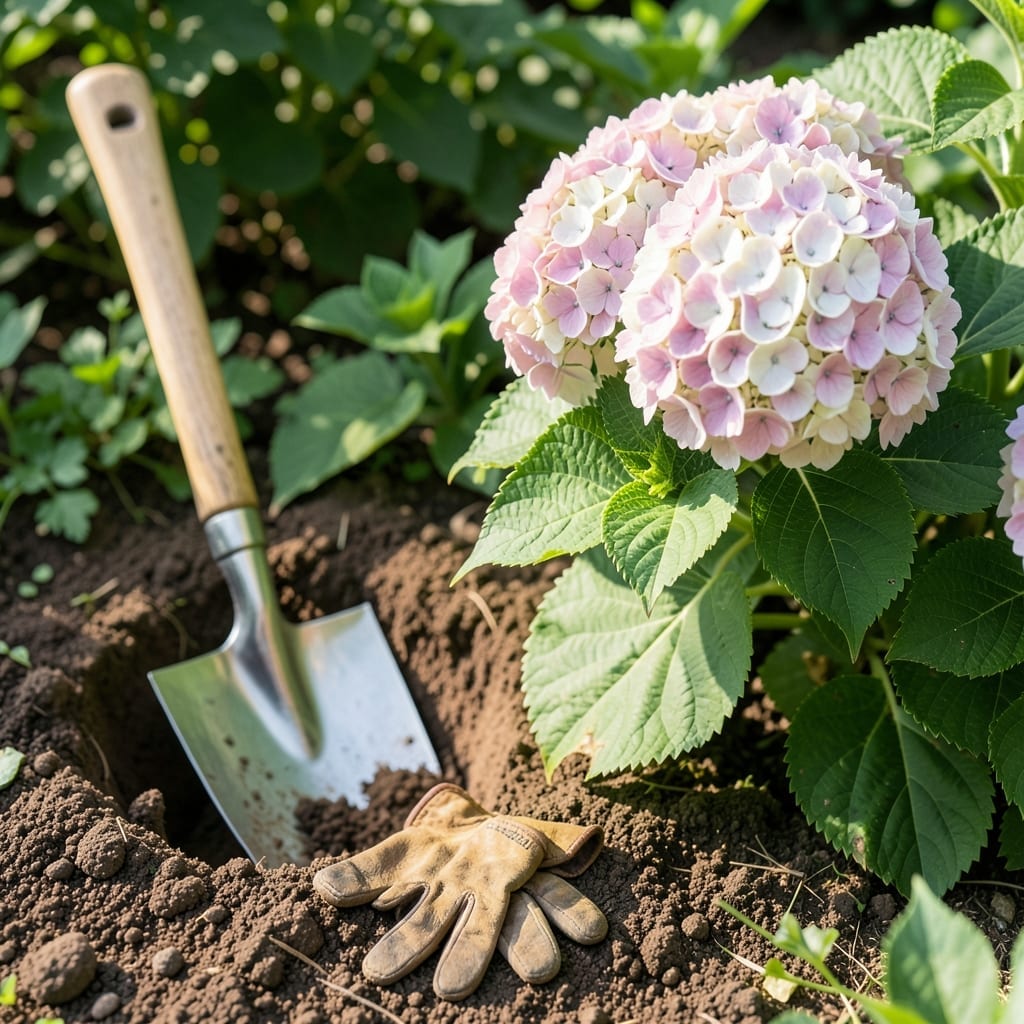
Transplanting your 🌸 Hydrangea at the wrong time can set back its growth for an entire season. I learned this the hard way when I moved mine during a summer heatwave.
Timing is everything when it comes to helping these beautiful shrubs thrive in their new location. The right season ensures less stress and a smoother transition for your plant.
Whether you’re in USDA zone 6a or just love your Hydrangeas, knowing when to move them makes all the difference. Let me share the best approach based on years of experience.
You’ll discover how to pick the perfect window and prepare your plant for success. The results will speak for themselves.


I know how frustrating it can be to move a hydrangea and watch it struggle to recover. The best time of year to transplant these beauties is during dormant periods when the plant isn’t actively growing.
In my experience, early spring just as the ground thaws or early fall after the blooms fade are ideal. This timing allows roots to establish before summer heat or winter cold sets in.
| Season | Pros | Cons | Best For |
|---|---|---|---|
| Early Spring | Cool temps, new growth coming | Late frosts possible | Cold climates |
| Early Fall | Mild weather, less stress | Dormancy approaching | Warmer zones |
| Summer | Active growth phase | Heat stress, high risk | Avoid |
| Winter | Fully dormant | Frozen ground, root damage | Avoid |
For cold climates like USDA Zone 6, I recommend early spring as soon as the soil is workable. This gives the plant a full growing season to settle in before winter.
In warmer regions like Zones 7-9, fall transplanting works wonderfully. The cooler temperatures reduce stress, and the winter dormancy period allows for root recovery.
One key sign your hydrangea is ready to move is when it’s not actively blooming. Look for dormant buds in spring or faded flowers in fall as your cue.
Always water deeply the day before transplanting. This ensures the root ball stays intact and reduces transplant shock. I’ve found this simple step makes a huge difference.
After moving, give your hydrangea extra water for the first 2-3 weeks. This helps the roots re-establish in their new home. A 2-3 inch mulch layer also helps retain moisture.
Remember, avoid transplanting during extreme heat or when the plant is actively flowering. This is when your hydrangea is most vulnerable to stress.
By following these seasonal guidelines and preparation tips, your hydrangeas will thank you with lush growth and vibrant blooms for years to come 🌸
Transplanting hydrangeas requires careful timing and preparation to minimize shock and ensure healthy growth. I always start by choosing a cool, overcast day to reduce stress on the plant.
The best approach is to prepare the new hole before digging up your hydrangea. This ensures the root ball spends minimal time exposed to air, which can dry it out quickly.
I recommend using a sharp spade to cut cleanly through the root zone. This helps maintain as much of the root system as possible during the move.
After transplanting, keep the soil consistently moist but not waterlogged for at least 2-3 weeks. This is critical for root establishment in the new location.
Avoid fertilizing immediately after transplanting. Wait until you see new growth to prevent burning the recovering roots.
With proper care, your hydrangea will recover quickly and reward you with beautiful blooms in the next growing season. I’ve seen mine bounce back within 3-4 weeks when done right. 🌸