
Beautiful Plants For Your Interior
Beautiful Plants For Your Interior
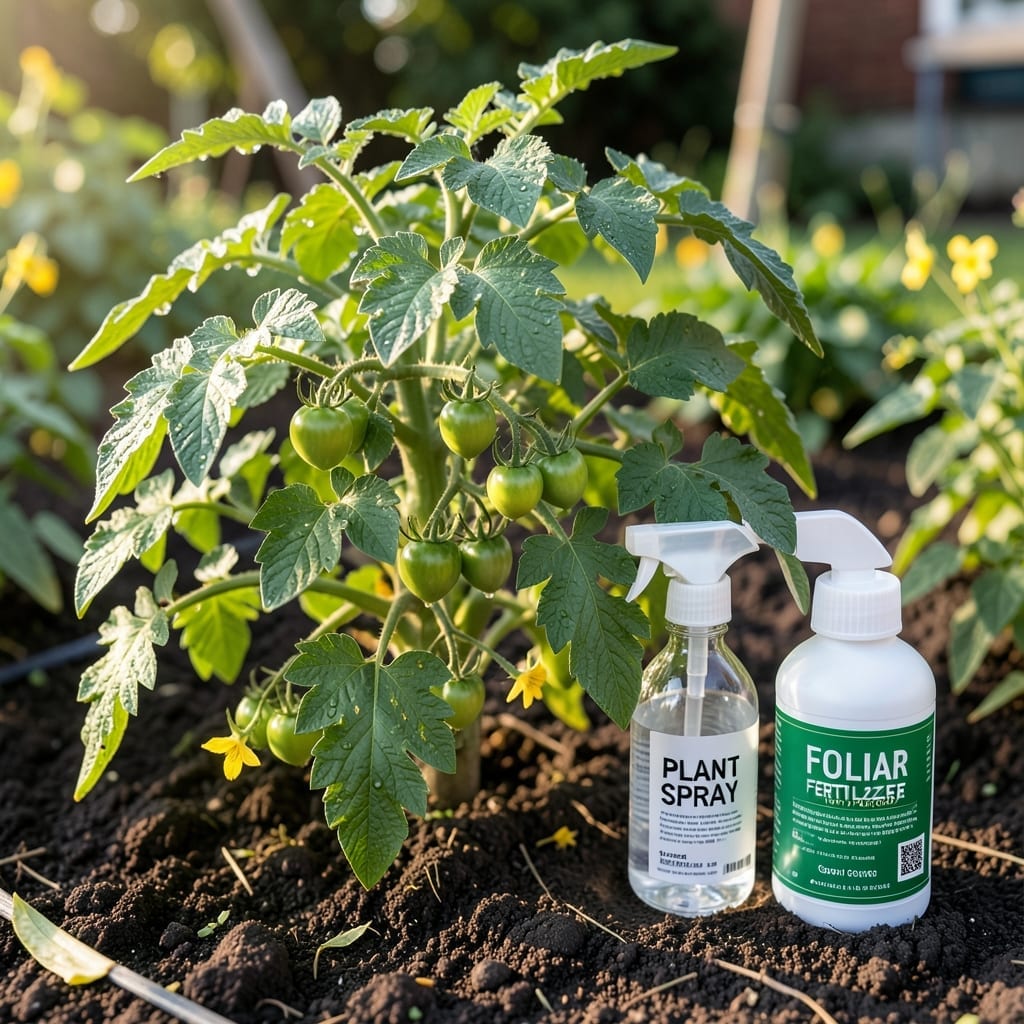
Foliar feeding can supercharge your 🌱 General Plants with nutrients, but timing is everything—spray at the wrong hour, and you might waste your effort or even harm your garden.
I learned the hard way that morning is the game-changer. The cooler temperatures and calm conditions create the perfect window for maximum absorption.
Discover why this timing beats evening spray and how to make every drop count for healthier, more vibrant plants.
I’ve tested foliar feeding at every hour, and early morning consistently wins. The stomata on leaves are most active after sunrise, ready to soak up nutrients like a sponge.
Cooler temperatures and higher humidity reduce evaporation, so your spray solution stays on leaves longer. This means better absorption and less waste.
🌱 Key Takeaway
Early morning is the optimal time for foliar feeding due to active stomata, low evaporation, and gentle sunlight, ensuring maximum nutrient uptake with minimal risk of leaf burn.
Another big plus: morning sunlight is gentler, so it won’t scorch leaves with your spray still fresh. This is especially important for delicate plants like lettuce or herbs.
I aim to spray between 6 AM and 10 AM. This window gives leaves time to dry before the hottest part of the day, preventing any potential damage.
If you’re growing tomatoes or peppers, morning feeding also aligns with their natural growth cycle. These plants are already primed to absorb nutrients during this time.
Even humidity levels work in your favor. Morning air tends to hold more moisture, which helps the foliar solution cling to leaves instead of drying out too quickly.
For those in hot climates, morning feeding is non-negotiable. Midday heat can cause rapid evaporation, leaving your plants with little to no benefit from the spray.
I also noticed that pests are less active in the morning. This means your spray stays on the plants longer instead of being disrupted by crawling insects.
Consistency matters too. Sticking to a morning routine helps your plants get into a rhythm, making each feeding session more effective over time.
always check the weather forecast. If rain is expected within a few hours, it’s best to wait for a clearer morning to avoid washing away your efforts.
While morning is ideal, some hours are a hard no. Midday is the worst offender—intense sun can scorch leaves, and high temperatures cause rapid evaporation before nutrients absorb.
Evening seems tempting, but prolonged moisture overnight invites fungal diseases. I’ve seen powdery mildew take hold after late sprays, especially on squash and cucumbers.
⚠️ Avoid These Times
Never foliar feed during peak sun (10 AM–4 PM) or just before rain. Evening sprays risk disease from lingering moisture. Stick to early morning for safety and efficacy.
Another red flag: windy conditions. Your spray will drift away, wasting solution and reducing effectiveness. Always check the wind forecast before heading out.
If you’re in a humid climate, evening feeding might seem okay, but the risk of fungal growth still outweighs any benefits. Better to wait for the next morning.
Rainy days are a no-go. Even light showers can wash away your foliar spray before it has a chance to work. Always aim for dry, calm mornings instead.
For container plants, avoid feeding when they’re in direct afternoon sun. The heat can amplify the risk of leaf burn, especially for succulents or herbs.
I also avoid feeding during drought stress. If plants are already struggling, a foliar spray can add unnecessary pressure to their system. 🌱