
Beautiful Plants For Your Interior
Beautiful Plants For Your Interior
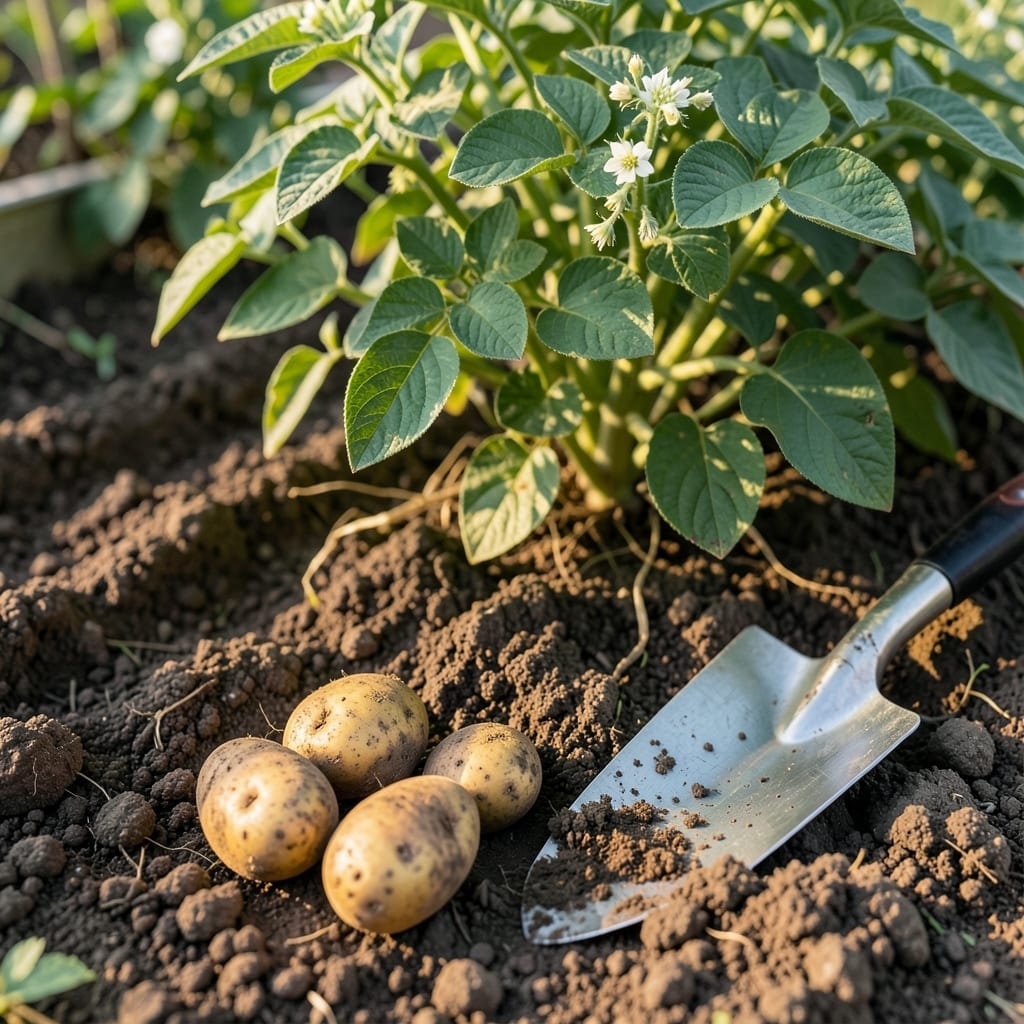
Choosing where to grow your 🥔 Potato plants can make or break your harvest. I’ve learned the hard way that even the most dedicated gardeners can struggle if the conditions aren’t right.
It’s not just about digging a hole and dropping in a seed. The soil, sunlight, and spacing play the key roles in how well your crop thrives. Get these right, and you’ll be rewarded with a bumper yield.
I’ll walk you through the most important factors to consider, from soil type to sun exposure. Whether you have acres of land or just a small backyard, these tips will set you up for success.
Discover how to create the perfect environment for your Potato plants to flourish. Let’s get started on the path to your best harvest yet.

Finding the perfect soil is the first step to a thriving potato crop. I always aim for loamy, well-draining soil that’s rich in organic matter. This type of soil allows roots to spread easily while preventing waterlogging.
Potatoes thrive in soil with a pH between 5.0 and 6.5. If your soil is too acidic or alkaline, the tubers may develop scab disease or grow poorly. Testing your soil is a simple but critical step.
| Requirement | Specification |
|---|---|
| Soil Type | Loamy, well-draining |
| pH Level | 5.0 – 6.5 |
| Organic Matter | Add compost before planting |
| Avoid | Clay or waterlogged soil |
| Preparation Tip | Mix in aged manure |
If your garden has heavy clay soil, I recommend amending it with sand and compost to improve drainage. Potatoes hate sitting in water, and soggy soil can lead to rot.
Adding well-rotted compost or aged manure before planting boosts fertility. I’ve found that potatoes respond well to this extra organic matter, producing larger, healthier tubers.
For raised beds, use a mix of garden soil, compost, and a bit of sand. This creates the ideal environment for potatoes to grow without the risk of compaction.
Remember, the soil should be loose and friable to allow tubers to expand. Compacted soil restricts growth and can result in misshapen potatoes.
If you’re planting in containers, use a high-quality potting mix with added perlite for drainage. Containers are a great option for small spaces or poor native soil.
Finally, avoid using fresh manure, as it can burn young plants. Stick to aged or composted materials for the best results.
With the right soil conditions, your potatoes will have a strong start and a productive growing season 🌱
For healthy Potato plants, I always prioritize locations with full sun exposure. Potatoes thrive with 6-8 hours of direct sunlight daily, which fuels tuber development and robust foliage.
Wind protection is equally important. I’ve found that planting near a fence or hedge shields young plants from damage while still allowing proper air circulation to prevent disease.☀️
I recommend spacing seed potatoes about 12-15 inches apart in rows that are 30-36 inches apart. This gives each plant enough room to grow without competing for nutrients or sunlight.
If you’re short on space, don’t worry. Potatoes adapt well to container gardening. I’ve had great success with 5-gallon buckets or fabric grow bags on my patio. Just ensure they get enough light and have drainage holes.
For those in urban environments, even a sunny balcony can work. Place containers where they’ll get maximum sunlight, and rotate them occasionally for even growth.
Remember, consistent sunlight is key. If your garden has shady spots, save those for leafy greens and give your potatoes the sunniest real estate you have.🌱