
Beautiful Plants For Your Interior
Beautiful Plants For Your Interior
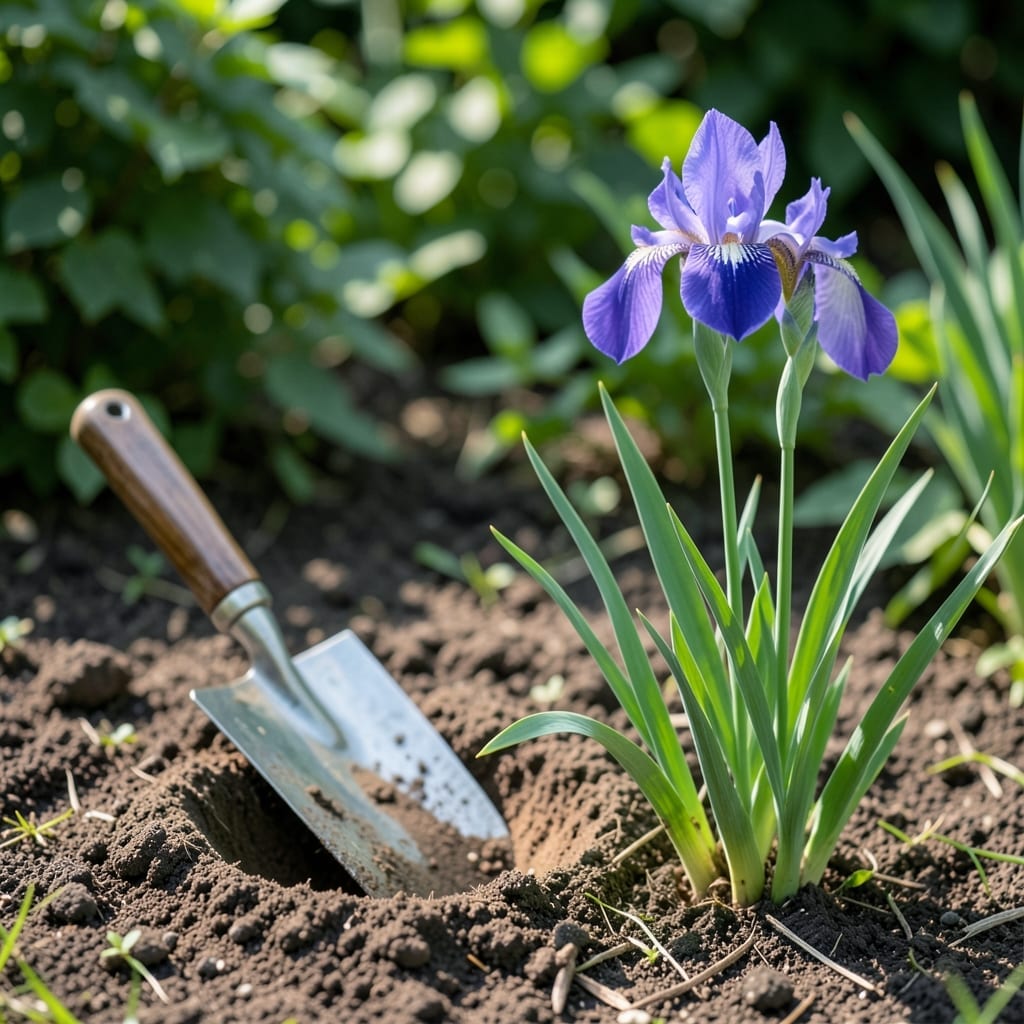
Planting irises in the wrong spot can mean the difference between lackluster blooms and a garden bursting with vibrant color. The 🌸 Iris deserves better than a random corner of your yard.
I’ve seen too many gardeners struggle with weak stems or sparse flowers because they overlooked two critical factors. The good news? Getting it right is simpler than you think.
From sunlight needs to soil secrets, I’ll share the exact conditions that transform these perennials from surviving to thriving. Your future self will thank you when the blooms arrive.
Discover how to create the perfect home for your irises that keeps them coming back stronger year after year.
If you want vibrant iris blooms, sunlight is non-negotiable. These perennials thrive with 6+ hours of direct sun daily, though some varieties tolerate partial shade in hotter climates. Bearded irises, for example, demand full sun for their iconic flowers.
I’ve found that morning sun is ideal, as it dries dew quickly, reducing fungal risks. In scorching regions, afternoon shade protects petals from scorching while still delivering the light they crave.
| Iris Variety | Sunlight Needs | Spacing |
|---|---|---|
| Bearded Iris | Full sun | 12-24 inches |
| Siberian Iris | Full sun to partial shade | 18-24 inches |
| Japanese Iris | Partial shade | 24-36 inches |
Wind can be a silent enemy for irises. I always plant them in sheltered spots to prevent tall stems from toppling. A south-facing wall or fence works wonders, offering both sun exposure and wind protection.
Spacing matters too. Crowded irises compete for nutrients, leading to fewer blooms. For bearded irises, I leave 12-24 inches between plants. Siberian and Japanese varieties need even more room to breathe.
In my garden, I’ve noticed that irises planted near reflective surfaces like light-colored walls often bloom earlier. The extra warmth from the reflected light gives them a head start in spring.
If you’re in a hot climate, consider planting irises where they’ll get dappled shade in the afternoon. This prevents heat stress while still meeting their light requirements. I’ve had great success with this approach in zone 8.
For cooler climates, maximize sun exposure. Irises in these areas can handle full sun all day without issue. Just ensure the soil drains well to prevent root rot during thaws.
Remember, the best place to plant iris balances sunlight, protection, and space. Get this right, and you’ll be rewarded with spectacular blooms year after year 🌷
Finally, avoid low-lying areas where water pools. Irises hate wet feet, and soggy soil is a surefire way to stunt their growth. A slight slope can work wonders for drainage.
I’ve learned that irises aren’t picky about soil, but they do have non-negotiable needs. The best soil for irises is well-draining with a pH of 6.0-7.0. Heavy clay or sandy soil? You’ll need to amend it.
I always start with a soil test to check pH and nutrient levels. If your soil is too acidic, add lime. Too alkaline? Sulfur can help balance it. This small step makes a huge difference in bloom quality.
For heavy clay soil, I mix in compost and coarse sand to improve drainage. Irises hate wet feet, so this step is crucial. In sandy soil, I add organic matter to help retain moisture and nutrients.
I’ve found that raised beds work exceptionally well for irises. They provide excellent drainage and allow me to control the soil composition more precisely. Plus, they make maintenance easier as the plants mature.
Remember, irises store energy in their rhizomes. Plant them just below the soil surface – exposing them can lead to rot. I’ve seen this mistake ruin many a garden, but it’s easily avoided.
Finally, mulch lightly after planting to conserve moisture, but avoid piling it around the rhizomes. This simple step helps maintain consistent soil temperature and keeps weeds at bay 🌱