
Beautiful Plants For Your Interior
Beautiful Plants For Your Interior
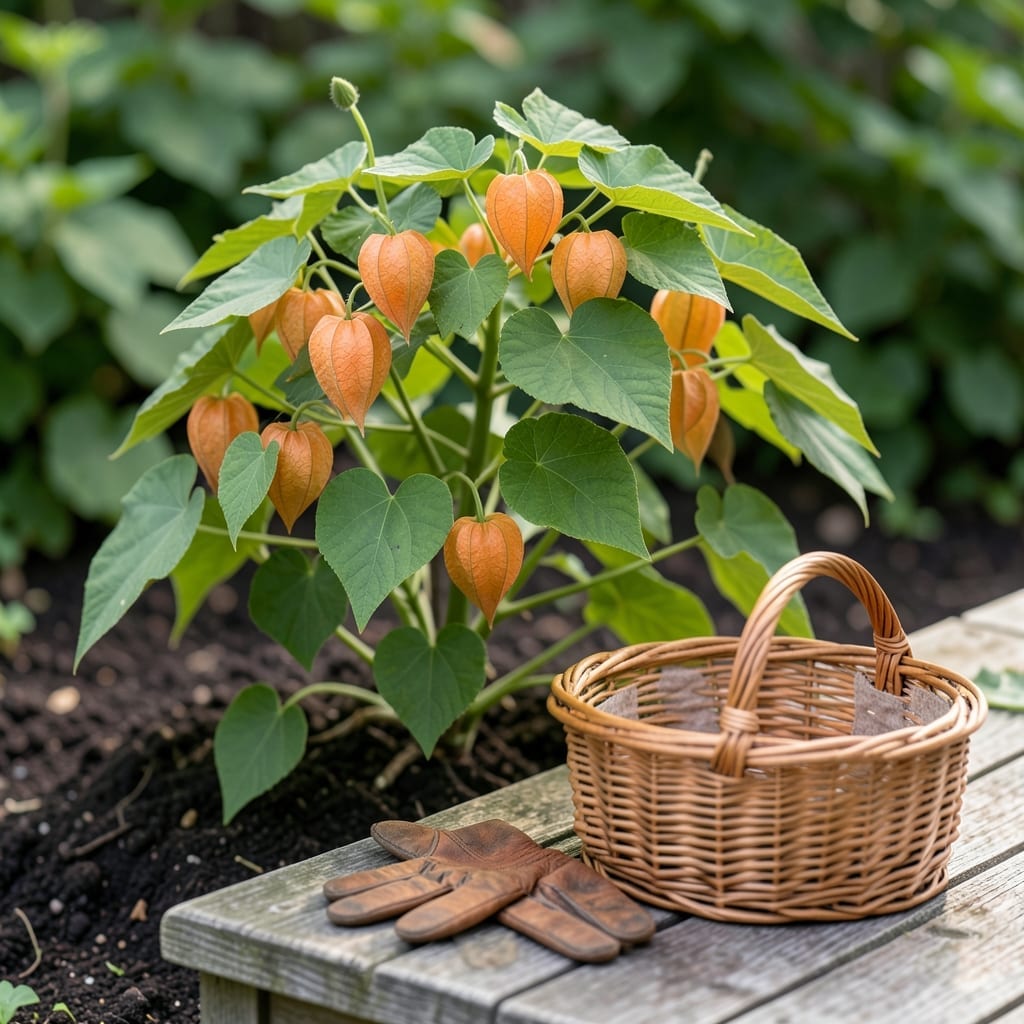
I first discovered ground cherries as a child, popping the paper-like husks to reveal golden fruits inside. These native plants thrive with minimal effort and reward you with sweet, tomato-like berries.
Their husks protect the fruit from pests and harsh weather, making them ideal for low-maintenance gardens. Plant in full sun with well-draining soil, and they’ll spread happily on their own.
You’ll harvest dozens of berries per plant by late summer, perfect for fresh eating or preserves. The husk makes them easy to collect without damage.
Drought-tolerant and pest-resistant, they’re a foolproof addition to any garden. Once you try them, you’ll want them every year.
The husk on ground cherries (a type of berry with husk) develops as a natural protective mechanism, influenced by genetics, environmental factors, and growth stages. Below are the primary reasons this unique trait occurs:
Ground cherries (Physalis spp.) naturally produce a papery husk, called a calyx, as part of their evolutionary design. This husk shields the fruit from pests, UV radiation, and physical damage, ensuring the berry matures safely. The trait is hardwired into the plant’s DNA, making it a consistent feature across wild and cultivated varieties.
Sunlight and temperature play roles in husk formation. Intense UV exposure can thicken the calyx, while cooler temperatures may slow its development. The husk also helps retain moisture in dry climates, preventing the berry from dehydrating. Growers in arid regions often notice more pronounced husks as a result.
The husk begins forming as the fruit sets and expands alongside the berry. Early in development, it’s green and tight; as the berry ripens, the husk dries and turns papery. This process is tied to hormonal changes in the plant, particularly ethylene and auxin, which regulate growth and maturation.
Growing berries with husks, like ground cherries, can come with a few hiccups, but these practical solutions will keep your plants thriving.
If you notice holes in leaves or damaged fruit, handpick pests like aphids or flea beetles early in the morning. For larger infestations, spray with neem oil or insecticidal soap, focusing on the undersides of leaves. Prevention tip: 💡 Encourage beneficial insects like ladybugs by planting companion flowers such as marigolds nearby.
Poor soil quality or lack of nutrients often causes slow growth. Amend the soil with compost or well-rotted manure before planting. If plants are already in the ground, apply a balanced organic fertilizer. Prevention tip: ✨ Test your soil pH (aim for 6.0–6.8) and ensure good drainage to avoid root stress.
Inconsistent watering leads to calcium deficiencies, causing fruit to crack or rot. Water deeply and regularly, especially during dry spells, to keep soil moisture even. Mulch around plants to retain moisture. Prevention tip: 🌡️ Avoid overhead watering to reduce disease risk—use a drip irrigation system or water at the base.
Incomplete husk development can result from cool temperatures or nutrient imbalances. Protect plants with row covers in early spring if nights are chilly. Ensure they receive full sun (6–8 hours daily) and supplement with a potassium-rich fertilizer. Prevention tip: 🎯 Plant in a sheltered, sunny spot to promote healthy husk growth.
The husk turns papery and light brown when ready. The berry inside should be golden or yellow and slightly soft to the touch. Harvest when the fruit drops naturally from the plant.
Yes! Use a 5-gallon container with drainage holes. Fill with well-draining potting mix and place in full sun. Water when the top 1 inch of soil feels dry.
Cool, wet weather can slow husk maturation. Ensure plants get 6-8 hours of sun daily. Avoid overhead watering to prevent moisture buildup on the husks.
Fully ripe berries are sweet and safe to eat fresh. Unripe ones may taste tart. Always remove the husk and any stems before eating.