
Beautiful Plants For Your Interior
Beautiful Plants For Your Interior
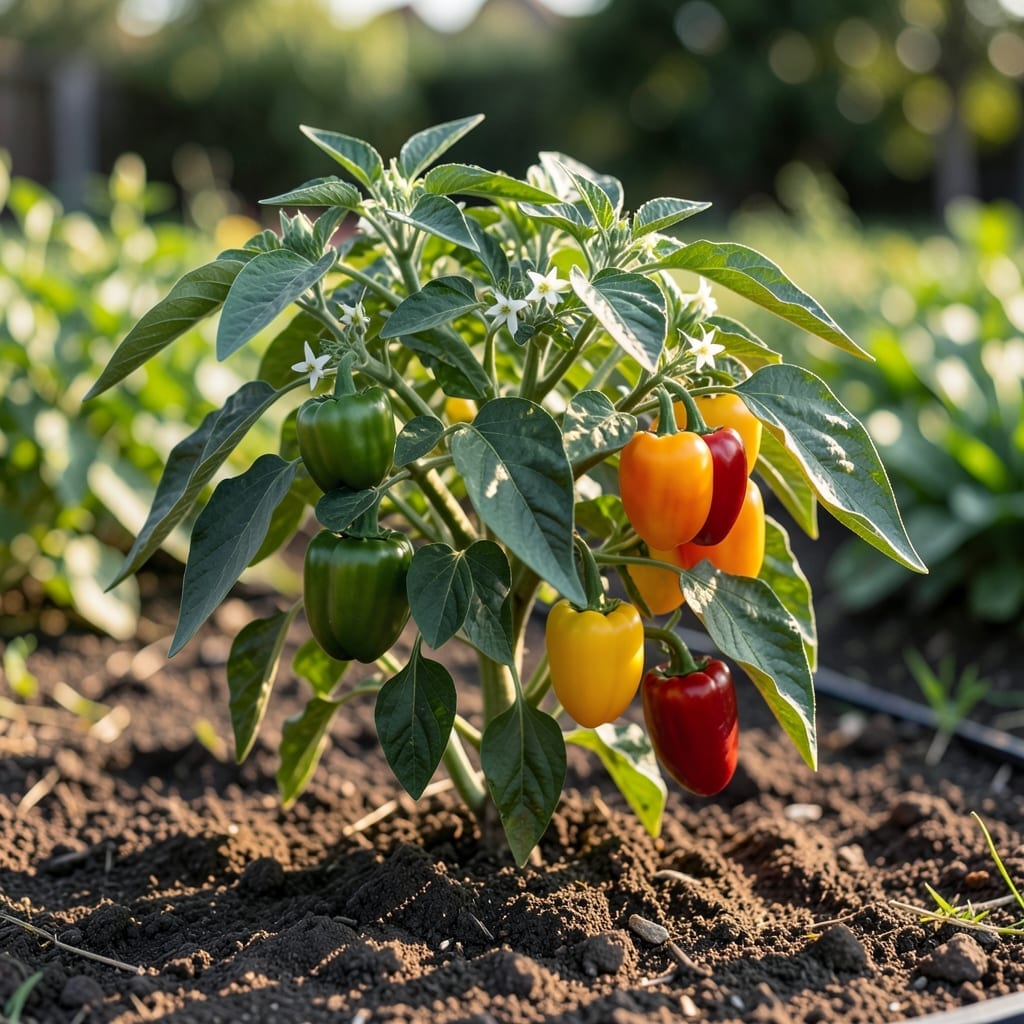
Watching your 🌶️ Bell Pepper transform from green to vibrant red, yellow, or orange is one of the most satisfying parts of growing them. But knowing exactly when they’re ready to pick can be tricky.
Understanding the ripening stages ensures you harvest at peak flavor and avoid waste. I’ll walk you through the visual and timing cues that signal each stage of development.
Discover how to monitor your plants and support them through every phase, from immature green to full maturity. Let’s get started.
Watching your bell peppers transition through their ripening stages is fascinating. Each stage brings unique color changes and texture developments that signal their progress toward maturity.
The timeline typically spans 60 to 90 days from planting to harvest, depending on the variety. Understanding these stages helps you decide the best time to pick for optimal flavor and nutrition.
| Stage | Days to Maturity | Color | Flavor & Texture |
|---|---|---|---|
| Immature | 30-45 | Green | Bitter, firm |
| Breaker | 45-60 | Green with color streaks | Mild, crisp |
| Turning | 60-75 | Partial color (red/yellow/orange) | Sweeter, tender |
| Mature | 75-90 | Full color (red/yellow/orange) | Sweetest, juicy |
The immature stage begins when peppers are small and fully green. They’re edible but often bitter. This is normal for varieties meant to stay green at maturity.
During the breaker stage, you’ll notice the first hints of color change. The pepper starts developing streaks of red, yellow, or orange, signaling the onset of ripening. The flavor becomes milder.
In the turning stage, the color spreads further, covering about 50% of the pepper. The texture softens slightly, and the sweetness increases as the pepper continues to mature.
The mature stage is when the pepper reaches its full color. At this point, it’s at peak sweetness and nutritional value. The skin should be glossy and firm to the touch.
Remember, the exact timing can vary based on growing conditions like sunlight, water, and soil quality. Warmer temperatures often speed up the ripening process.
For the best results, monitor your plants daily once they start showing color. A gentle squeeze test can help—mature peppers feel firm but yield slightly under pressure.
Each variety has its own unique timeline, so check the seed packet for specifics. Generally, red peppers take longer to mature than yellow or orange varieties.
By understanding these stages, you’ll know exactly when to harvest for the best flavor and texture, whether you prefer them green or fully ripe.
🌱Identifying the perfect harvest moment for bell peppers is easier than you think. The most obvious sign is color change, but size and firmness matter just as much for peak flavor.
Most varieties reach full mature size (3-4 inches long) before their final color develops. Don’t wait for color alone—check the overall appearance and texture for the best results.
For green bell peppers, harvest when they’re fully grown but still green. These are actually immature peppers of colored varieties, perfect for a milder taste.
Avoid picking peppers that are small or dull in appearance. These signs often mean they’re not ready. Also, check the stem connection—it should be sturdy, not weak or discolored.
If you’re unsure, try harvesting one pepper at different stages to compare flavors. This hands-on approach helps you learn the ideal harvest window for your specific variety.
Remember, bell peppers continue to ripen after picking if kept at room temperature. But for the sweetest flavor, I recommend harvesting them fully ripe from the plant when possible.
🌱